The breathtaking red rocks, deep sandstone canyons, and vast dispersed camping lands of the American Southwest draw millions of RVers and campers every year. However, late summer brings a highly volatile weather phenomenon: the North American Monsoon. On August 21, 2026, the National Weather Service (NWS) issued a series of urgent Flash Flood Warnings across Southern Utah and Northern Arizona, highlighting the extreme dangers facing campers in low-lying areas. For those steering large rigs, travel trailers, or fifth wheels, these desert storms represent more than just a ruined afternoon; they are an immediate threat to life and property.
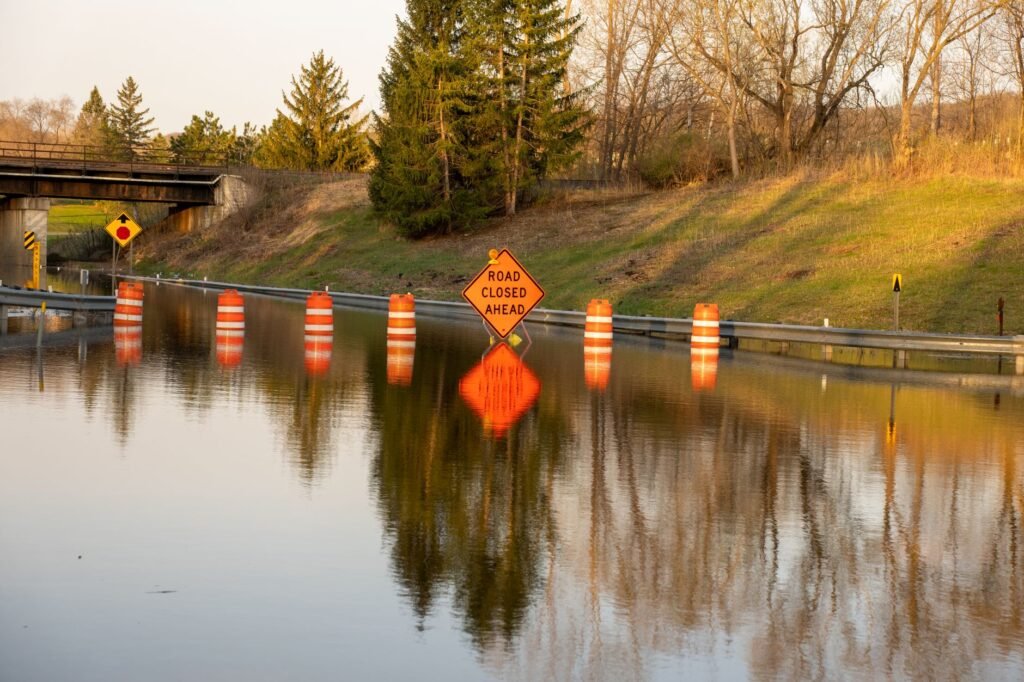
Understanding RV flash flood safety is critical when navigating the desert. Unlike standard rainstorms, monsoon downpours can drop inches of water in minutes over parched, non-absorbent soil. This water funnels directly into narrow canyons and dry washes, creating a towering wall of mud and debris that can sweep away a multi-ton RV in seconds. This comprehensive guide details the current Southwest campground alerts, the physics behind why RVs are uniquely vulnerable, and the exact steps you must take to survive a flash flood event.
Current Southwest Flash Flood Alerts and Affected Regions
An active monsoon surge has pushed high atmospheric moisture into the Great Basin and Colorado Plateau. The National Weather Service in Salt Lake City has highlighted elevated flash flood risks for several high-profile public lands, including Zion National Park, Grand Staircase-Escalante National Monument, Capitol Reef, and the San Rafael Swell. Campers can monitor live updates directly via the NWS Salt Lake City Forecast Office.
In response to these conditions, the National Park Service (NPS) has issued safety advisories for low-lying campgrounds and backcountry areas. In Zion National Park, campgrounds situated along the Virgin River are under strict observation, and visitors are warned that slot canyons can flood even under clear skies if rain falls miles away. Real-time park conditions and trail closures are available on the Zion National Park Alerts Page.
Additionally, those boondocking on Bureau of Land Management (BLM) lands near Moab, Utah, must exercise extreme caution. Flash floods in these regions often wash out unimproved dirt roads, trapping RVers in remote areas for days. If you are exploring these areas, ensure you comply with safety recommendations and the New Moab Dispersed Camping Rules to avoid parking in high-risk zones.
Why RVs and Travel Trailers Are Uniquely Vulnerable
Many RVers assume that the sheer weight of a class A motorhome or a loaded fifth wheel provides stability against rushing water. This is a highly dangerous misconception. The physics of moving water, combined with the design of recreational vehicles, makes them incredibly vulnerable to hydrostatic forces:
- High Surface Area: The flat, wide side panels of a travel trailer or motorhome act like a sail or a dam. When water rises against the side of an RV, it exerts massive lateral pressure, easily tipping the vehicle over.
- Buoyancy: RVs are built with large, hollow living spaces, sealed underbellies, and massive holding tanks containing air. This makes them surprisingly buoyant. Once water reaches the frame, the RV can easily float, breaking contact with the ground and losing all traction.
- Soil Erosion: Desert soil consists largely of clay, sand, and hardpan rock. When saturated, this ground quickly liquifies. The heavy jacks and tires of an RV can sink into the mud, causing the rig to tilt or slide into a rising torrent.
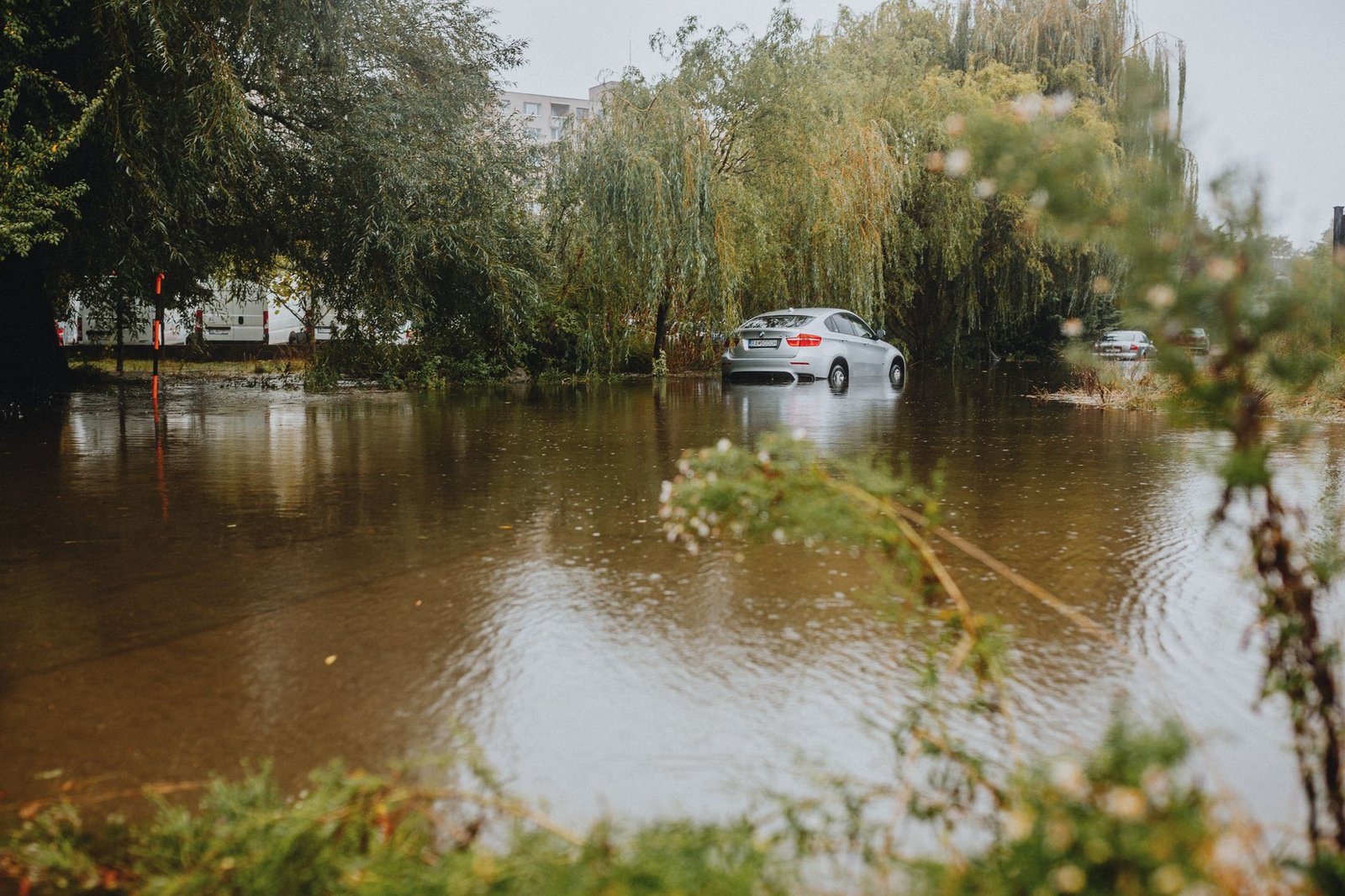
According to the Federal Emergency Management Agency (FEMA), just two feet of rushing water is enough to carry away most SUVs and trucks. For an RV—which has far more surface area and built-in buoyancy—even less water can trigger a catastrophic loss of control.
Campsite Selection: How to Spot and Avoid Flash Flood Zones
The most effective way to practice RV flash flood safety is to avoid parking in danger zones entirely. When setting up camp on BLM land, national forests, or private campgrounds in the Southwest, use the following guidelines to evaluate your site:
Avoid Dry Washes and Arroyos
A dry wash (or arroyo) is a natural drainage channel carved by historical water flow. During dry periods, these washes look like beautiful, flat sandy roads or perfect gravel campsites. However, they are the absolute worst places to park. A storm occurring 20 miles away on an upper plateau can send a raging torrent of water down a dry wash in a matter of minutes, leaving you with zero warning.
Look for Historical Flood Markers
Before leveling your rig, inspect the surrounding terrain. Look for piles of dry twigs, branches, and debris caught in the lower limbs of nearby trees or shrubs. These debris lines indicate the height of past floodwaters. If you see water-worn rocks, dried mud cakes, or deeply eroded banks, you are standing in an active drainage pathway.
Choose Established, Elevated Sites
Always prioritize high ground. If you are camping near a river, creek, or stream, ensure your campsite is positioned significantly higher than the water level. On public lands, seek out ridge lines or elevated mesas, even if it means sacrificing shade or dealing with slightly higher winds.
The “Rule of High Ground”: When and How to Abandon Your Rig
One of the hardest psychological hurdles for RVers during a natural disaster is the urge to save their vehicle. An RV is a major financial investment, often representing a traveler’s home and personal belongings. However, hesitating to hook up a tow vehicle or pack up slides during a flash flood is a leading cause of fatalities.
You must establish and strictly follow the Rule of High Ground: if water begins rising rapidly around your campsite, or if you receive an emergency flash flood warning, abandon the RV immediately. Your life is irreplaceable; your trailer is not.
What to Do in the Minutes Before a Flash Flood
If you have advanced warning (15 to 30 minutes) and see dark storm clouds gathering on the horizon, prepare your camp for a quick getaway, but remain ready to flee on foot:
- Point Your Vehicle Outward: Always park your tow vehicle or motorhome facing the exit route. Avoid nose-in parking that forces you to back out of a tight spot during an emergency.
- Disconnect Utilities Quickly: If hooked up to shore power, water, or sewer, disconnect them immediately if safe to do so. If water is already pooling, leave them connected and cut the campground pedestal breaker instead.
- Bring in the Slides: If time permits, retract your RV slides to make the vehicle more aerodynamic and ready to move. However, do not get trapped inside trying to operate slow hydraulic or electric slide systems.
- Keep Your “Go Bag” Accessible: Keep your passports, IDs, medication, pet supplies, and emergency cash in a dedicated, waterproof backpack near the entry door.
Emergency Monitoring: Selecting the Right Tools for Remote Camping
In the deep canyons and remote mesas of the Southwest, traditional cellular coverage is often non-existent. You cannot rely on standard smartphone apps to receive life-saving weather alerts. Instead, you must build a redundant emergency monitoring system.
| Monitoring Tool | Signal Coverage | Best For | Key Limitations |
|---|---|---|---|
| NOAA Weather Radio | Excellent (VHF radio waves) | Real-time local emergency alerts and weather updates | Requires line-of-sight; can be blocked in deep, narrow canyons |
| Satellite Messenger (Garmin/ZOLEO) | Global (Iridium Satellite Network) | Backcountry SOS, family communication, and weather pings | Requires an active subscription; slight delay in receiving messages |
| Cellular Emergency Alerts (WEA) | Variable (Cell tower proximity) | Automatic emergency push notifications | Completely useless in remote dead zones without cellular signal |
To ensure maximum safety, check the regional weather forecast before heading into areas with limited communication. The BLM Utah Fire and Public Safety portal provides comprehensive safety updates regarding road conditions, weather hazards, and localized emergencies across public lands.
What to Do If Your RV Is Surrounded by Floodwaters
If you are caught off guard and floodwaters suddenly surround your RV, follow these emergency survival steps:
Do Not Attempt to Drive
Never attempt to drive a motorhome or tow a travel trailer through moving water. The road surface beneath the water may have already washed away, creating deep sinkholes or drop-offs. Additionally, as soon as your tires lose contact with the road, the current will sweep your rig downstream.
Climb to the Roof Only as a Last Resort
If the water is rising rapidly and escape on foot to higher ground is blocked by deep torrents, climb onto the roof of your RV. This keeps you above the water line and makes you highly visible to search and rescue teams. Bring your emergency go bag and signaling devices (flashlights, flares, or satellite messengers) with you.
Signal for Help
Use your vehicle’s horn, hazard lights, a high-decibel whistle, or a bright flashlight to signal emergency responders. If you have a satellite messenger, trigger the SOS function immediately to alert local search and rescue teams of your exact GPS coordinates.
Post-Flood Recovery: Assessing Rig Damage and Axle Safety
Once the floodwaters recede and you are safely out of danger, the process of recovering and inspecting your RV begins. Floodwaters are highly destructive, carrying fine silt, corrosive minerals, and contaminants that can ruin your rig’s mechanical and electrical systems.
Before attempting to tow or drive your RV after a flood event, you must conduct a thorough safety assessment. Silt-laden water can easily penetrate the electrical wiring, brake assemblies, and running gear of your trailer. For a detailed guide on how to safely dry out, clean, and rebuild your rig, consult our RV Flood Recovery Guide.
Furthermore, if your trailer’s wheel hubs were submerged in floodwaters, you cannot safely tow it on the highway without maintenance. Water destroys the lubricating grease inside your wheel hubs, leading to bearing overheating, seizure, and potential wheel detachment. Before hitting the road, refer to the Travel Trailer Wheel Bearing and Axle Service Guide to learn how to inspect, clean, and repack your bearings to avoid a dangerous breakdown.
Conclusion: Respect the Power of the Southwest Monsoon
The Southwest monsoon is an awe-inspiring force of nature that shapes the stunning landscapes we love to explore. However, it commands absolute respect. By practicing proactive RV flash flood safety—including parking on elevated ground, monitoring reliable weather sources, and knowing when to prioritize your life over your trailer—you can safely enjoy the spectacular beauty of the desert. Stay alert, keep your emergency gear ready, and always remember to turn around, don’t drown.
Frequently Asked Questions
Can a heavy fifth wheel or motorhome withstand a flash flood?
No. Despite their weight, RVs have high surface areas and large enclosed air spaces that make them incredibly buoyant. Just two feet of rushing water can easily float, tilt, or carry away a large RV or truck.
How do I know if my campsite is in a flash flood zone?
Avoid dry washes, canyon floors, and areas near riverbanks. Look for historical flood signs such as piles of debris caught in tree branches, water-worn gravel, and dried mud cakes on the ground.
What should I do if my RV axles are submerged in floodwater?
Do not tow your RV long distances if the axles have been submerged. Water degrades the wheel bearing grease, which can lead to bearing failure and wheel detachment. You must clean and repack your bearings before driving.
How can I get weather alerts in remote desert areas with no cell service?
Use a dedicated NOAA Weather Radio to receive local VHF weather broadcasts, or carry a satellite-enabled messenger (like a Garmin InReach or ZOLEO) to receive active emergency weather updates in cellular dead zones.