New Moab Dispersed Camping Rules: Essential BLM Updates
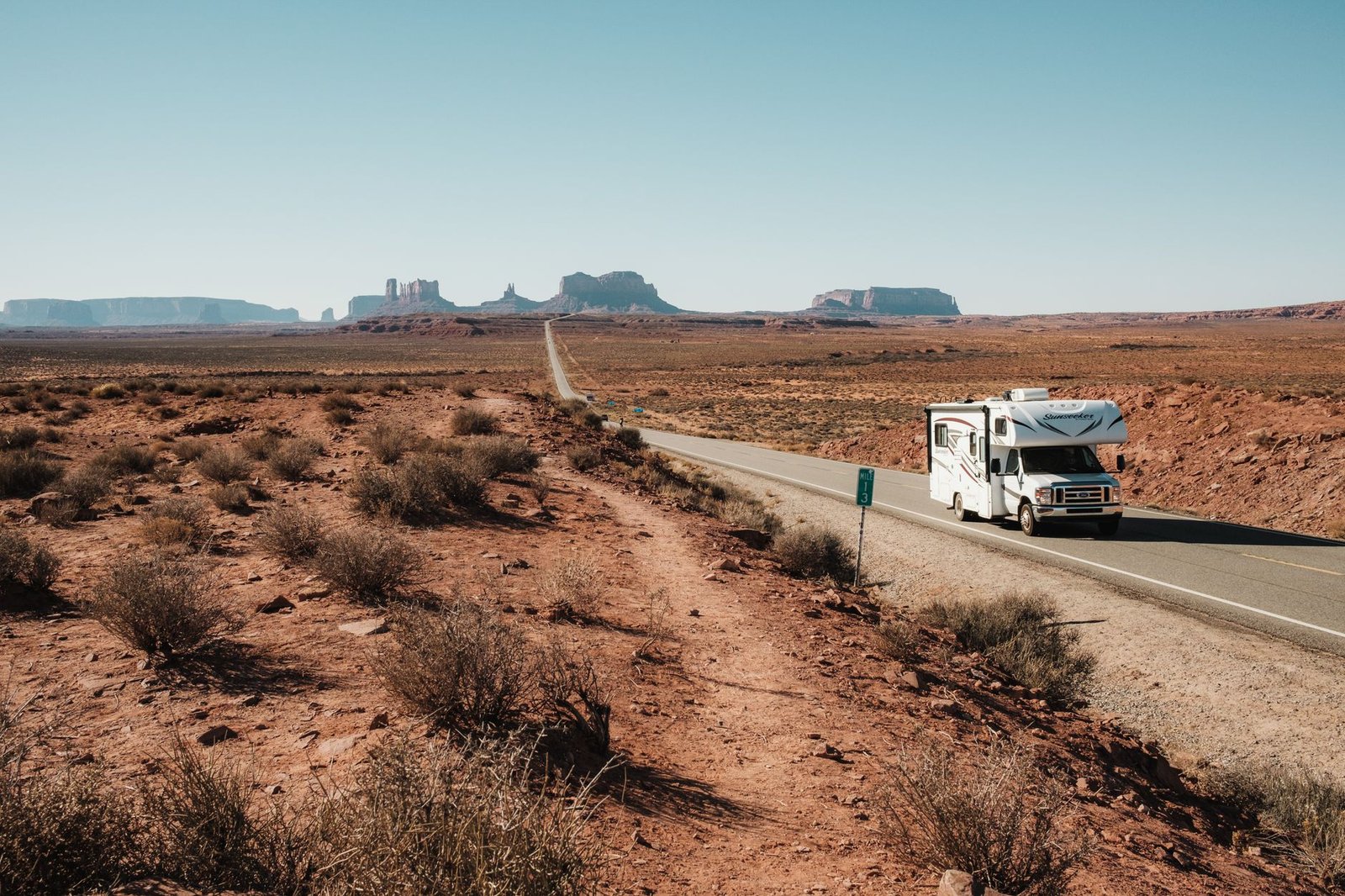
If you are planning an off-grid camping trip to Moab, Utah, the rules of the road have officially changed. To protect the fragile desert ecosystem and manage the massive influx of autumn travelers, the Bureau of Land Management (BLM) Canyon Country District has finalized an emergency transition from open dispersed camping to highly restricted “designated dispersed” camping in high-use areas. These updated rules are in full effect, carrying strict enforcement and heavy fines for violators.
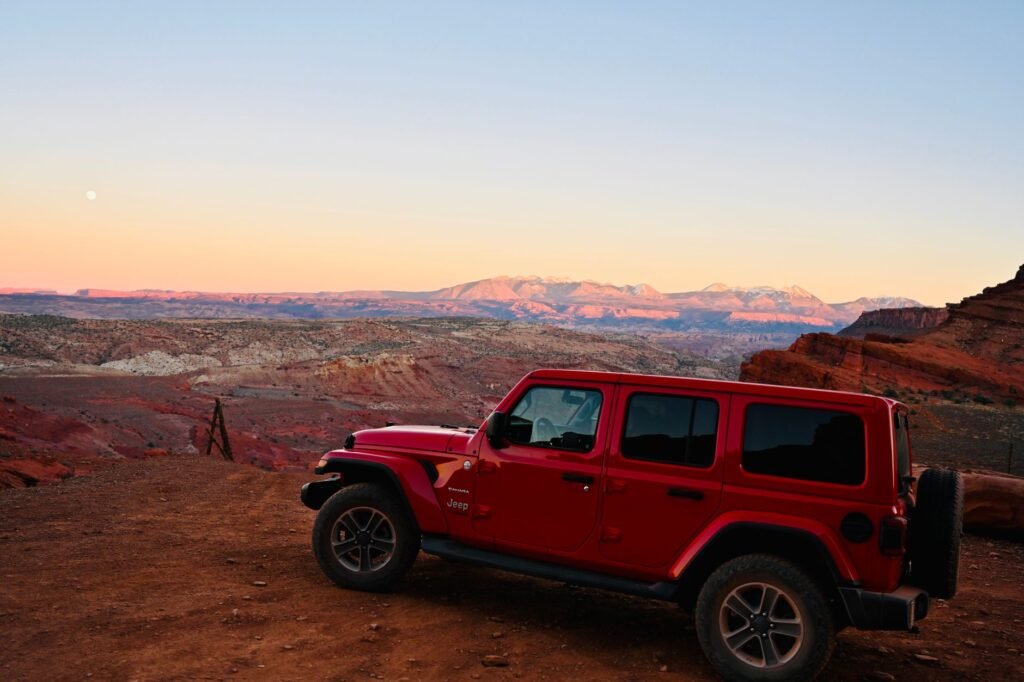
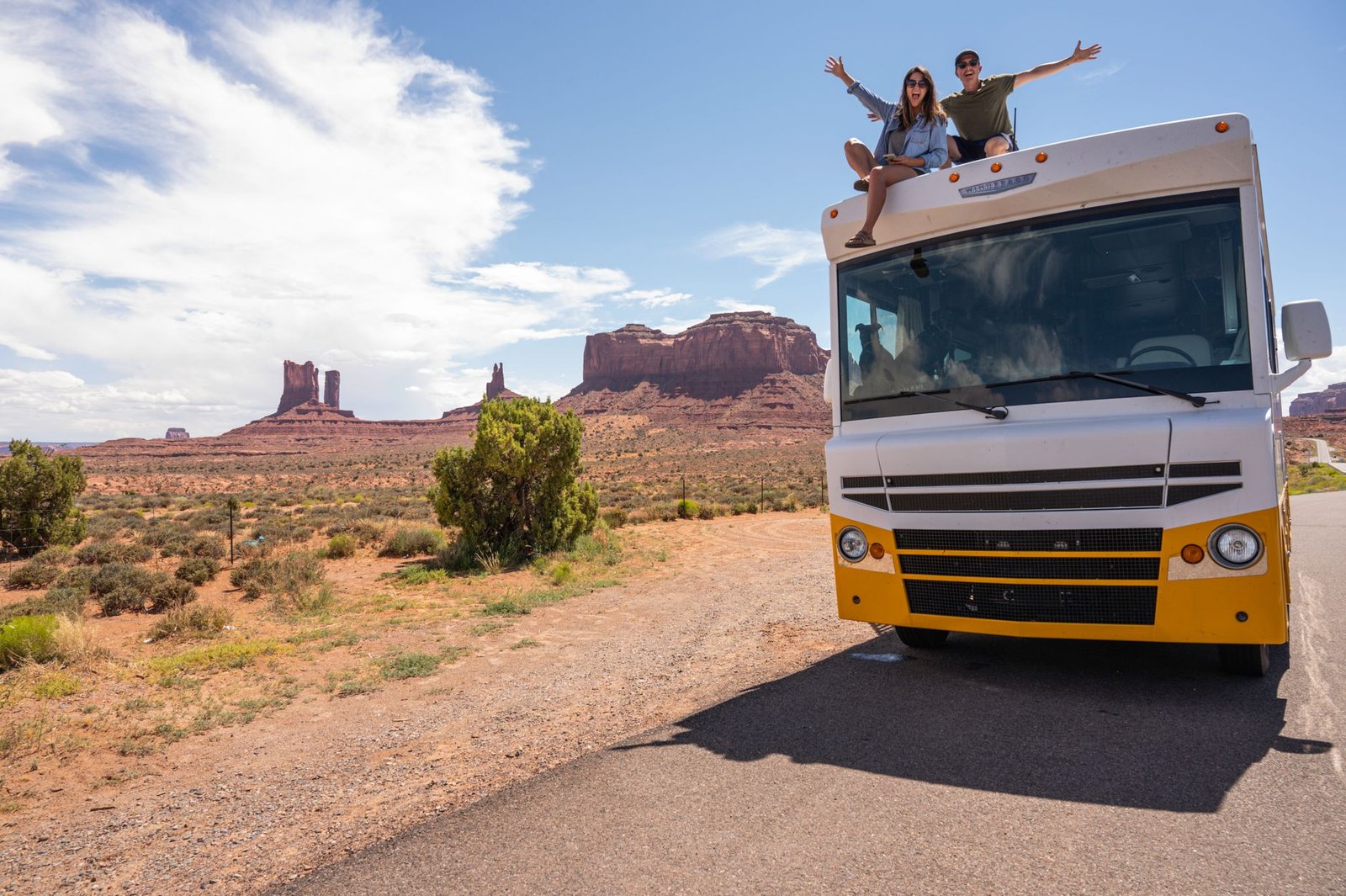
For travel trailer owners, van lifers, and overlanders, this means you can no longer pull off onto any dirt track in the Moab area to set up camp. Finding a free, legal spot now requires careful planning, specific gear, and strict compliance with waste containment laws. This comprehensive guide covers the latest changes, the exact locations affected, and the crucial gear you need to stay legal on Moab’s legendary red rocks.
The Death of Open Boondocking: Why the Rules Changed
For decades, Moab was a boondocker’s paradise. Campers could drive down roads like Willow Springs or Gemini Bridges, find a scenic pullout, and set up camp for free. However, Moab’s explosive popularity has taken a severe toll on the landscape. The BLM Moab Field Office has documented widespread destruction of soil, illegal dumping of human waste, and unmanaged campfires that threaten Utah’s public lands.
To combat this, the BLM has systematically updated the Moab dispersed camping rules to eliminate open boondocking in a 150-square-mile zone surrounding the town. If you are new to off-grid camping, you should review our comprehensive guide on mastering 2026 boondocking rules and regulations to ensure you understand general public land ethics before navigating these strict local updates.
The central pillar of the new rules is the shift from “open” dispersed camping to “designated dispersed” camping. In a designated dispersed zone, you are only allowed to camp in specific, numbered sites marked with a steel post and a camping symbol. If all designated sites are occupied, you must move to a developed campground; you cannot simply park nearby or create a new campsite.
Critical Waste and Toilet Mandates: No Cat Holes Allowed
One of the most heavily enforced rules in the Moab Field Office area is the human waste containment policy. In the arid Moab desert, the soil lacks the organic matter and moisture required to quickly break down waste. Furthermore, digging “cat holes” destroys fragile cryptobiotic soil crusts—a living ground cover of cyanobacteria, lichens, and mosses that prevents severe erosion and takes decades to regrow.
Under the updated BLM regulations, all campers in the Moab Field Office area are required to possess and use a portable, self-contained toilet system. This system must be approved for human waste containment and must be packed out to an authorized dump station or disposal facility.
Acceptable waste systems include:
- Built-in RV holding tanks (traditional black water tanks).
- Cassette toilets or portable chemical toilets (such as Porta-Pottis).
- WAG bags and specialized pack-out bag systems (such as the Cleanwaste Go Anywhere toilet), provided they are used in conjunction with a rigid, stable container.
Burying human waste, leaving toilet paper on the ground, or dumping greywater directly onto the desert floor is strictly illegal. To learn more about minimal-impact recreation and preserving these beautiful landscapes, consult Tread Lightly!, a leading authority on motorized off-road ethics.
Moab Camping Options: Dispersed vs. Developed vs. Private
Understanding where you can camp—and what it will cost—is essential for a stress-free trip. The following table compares the three primary camping options available in the Moab area under the new regulations:
| Camping Type | Average Cost | Waste Requirements | Amenities Provided | Reservations & Access |
|---|---|---|---|---|
| Designated Dispersed (BLM) | Free to $15/night | Must carry portable toilet / RV tanks | None (Pack it in, pack it out) | First-come, first-served; some locations require digital permit scan |
| Developed BLM Campground | $20 to $40/night | Vault toilets available on-site | Fire rings, picnic tables, vault toilets (no water or electricity) | First-come, first-served or Recreation.gov Scan-and-Pay |
| Private RV Parks & Resorts | $50 to $120+/night | Full hookups or dump stations | Water, 30/50A electric, sewer, Wi-Fi, showers, laundry | Highly recommended to reserve months in advance |
Key Camping Zones: Where You Can and Cannot Camp
The BLM has designated specific corridors where open boondocking is completely banned, and camping is restricted strictly to developed campgrounds or marked, designated dispersed sites. Here is a breakdown of the major zones you must know before towing your trailer into Moab:
Highway 191 North (Klondike Bluffs & Willow Springs)
The Willow Springs and Klondike Bluffs areas, located just north of Moab near the entrance to Arches National Park, were once the most popular free boondocking locations in Utah. Under the latest rules, Willow Springs Road is closed to open dispersed camping. Campers must use the designated campsites, which are clearly marked and restricted to specific vehicle lengths. Klondike Bluffs is also restricted to designated dispersed sites, with heavy monitoring by BLM rangers to prevent trailers from parking on the fragile desert vegetation.
Gemini Bridges Road
Towing a travel trailer down Gemini Bridges Road is highly challenging due to steep grades and switchbacks, but it remains a popular destination for overland trailers and truck campers. Open camping is entirely prohibited along the entire length of Gemini Bridges Road. You must use one of the highly limited, designated dispersed sites or the developed BLM campgrounds in the area.
Kane Creek Boulevard
Located southwest of Moab along the Colorado River, Kane Creek is a stunning canyon route. Due to severe flash flood risks and heavy off-road vehicle use, all camping along Kane Creek is restricted to developed campgrounds. Do not park your rig in sandy pullouts along the creek bed, as local authorities actively ticket and tow vehicles parked overnight in non-designated zones.
Sand Flats Recreation Area
Managed cooperatively by the BLM and Grand County, Sand Flats is famous for the Slickrock Bike Trail and Hell’s Revenge Jeep trail. Camping here is restricted to designated, fee-based campgrounds. There are no hookups, but vault toilets are available. Reservations are highly recommended during the peak spring and autumn riding seasons. You can find detailed maps and campground availability on the official Discover Moab BLM Campgrounds portal.
Late-Summer Fire Restrictions and Generator Rules
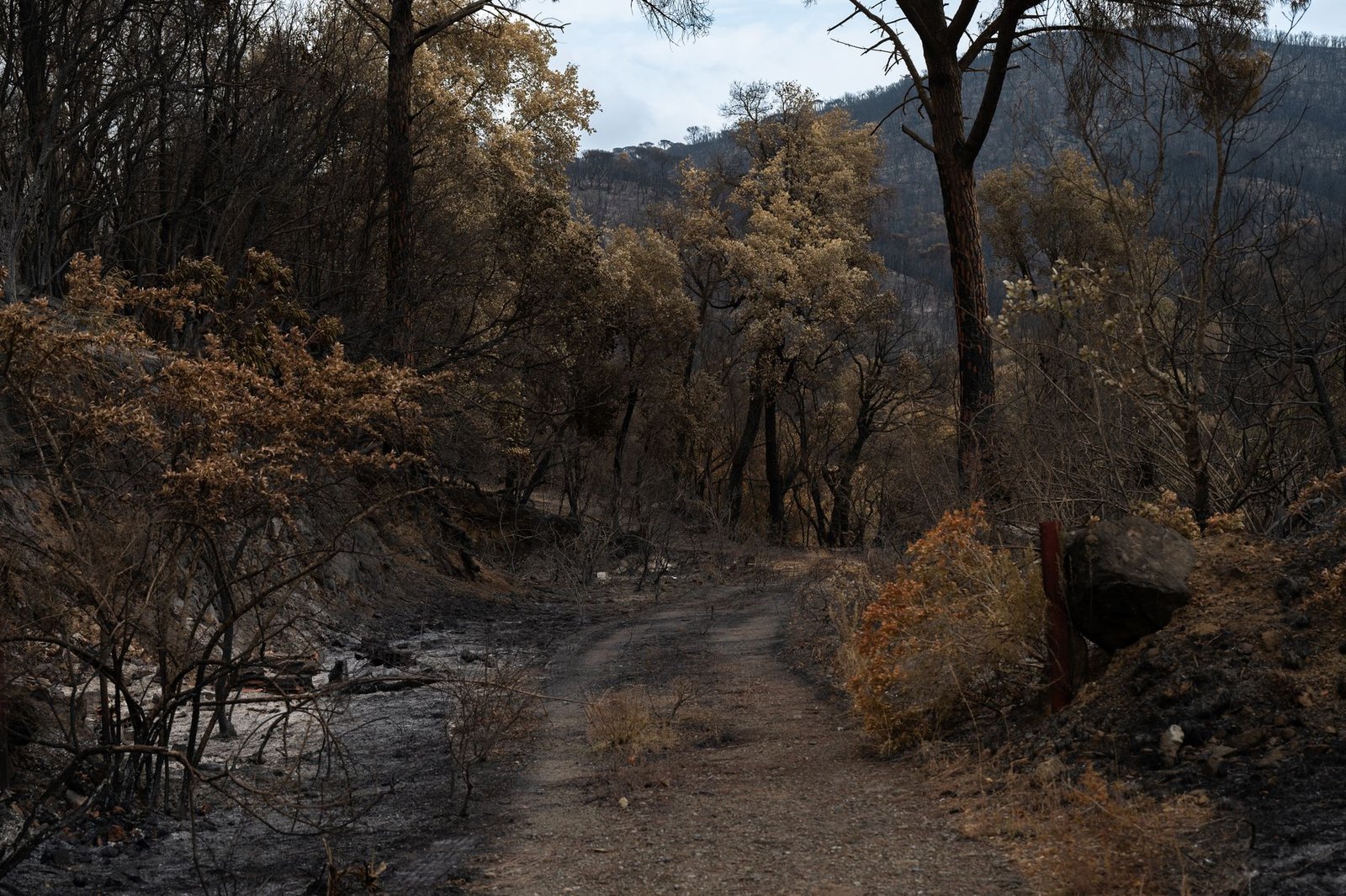
August and September are historically dry, hot months in Moab, creating extreme wildfire hazards. The BLM frequently implements Stage 1 or Stage 2 fire restrictions during this time. Under active fire restrictions, campfires are strictly prohibited in all designated dispersed camping areas. Wood and charcoal fires are only permitted in metal fire rings at developed, fee-based BLM campgrounds.
If you are camping off-grid in a designated dispersed site, you must use a portable propane stove or a propane-powered fire ring equipped with a shut-off valve. Additionally, spark arrestors are mandatory on all tow vehicles, dirt bikes, and generators.
When operating a generator to power your RV’s air conditioning or recharge your battery bank, you must adhere to quiet hours, which typically run from 10:00 PM to 6:00 AM. Be sure to place your generator on a flat, non-flammable surface to prevent accidental ignition of dry brush.
Towing and Navigating Rough Moab Roads Safely
Navigating Moab’s dirt roads with a travel trailer or a fifth wheel requires a robust tow vehicle and the right safety equipment. Many BLM roads feature deep sand, steep washouts, washboard surfaces, and sudden ledge drops. Before heading out, ensure you are fully prepared:
- Check your tongue weight and distribution: Ensure your trailer is properly balanced to prevent swaying on uneven terrain.
- Air down your tires: Dropping your tow vehicle’s tire pressure slightly can help absorb the brutal vibrations of washboard dirt roads and provide extra traction in deep sand. Always carry a portable air compressor to re-inflate before hitting the highway.
- Check trailer clearance: Low-slung travel trailers with plumbing lines or stabilizers hanging close to the ground are highly susceptible to damage on Moab’s rugged terrain. Stick to well-maintained gravel roads if your rig lacks an off-road suspension lift.
While Moab is the crown jewel of desert camping, there are other spectacular public lands in the state. If you are looking to explore further south, check out our guide on the best RV campgrounds in Utah 2026, which details incredible waterfront spots like Lone Rock Beach.
Fines and Enforcement: The Cost of Breaking the Rules
The BLM Moab Field Office, in partnership with the Grand County Sheriff’s Department, actively patrols dispersed camping areas. Rangers look for illegal campfires, camp setups outside designated markers, and campers who do not possess the mandatory portable toilet systems.
Violating the Moab dispersed camping rules can result in an immediate citation, with fines starting at $250 for minor waste violations and climbing to over $1,000 for parking in restricted zones or damaging cryptobiotic soil. Under federal law, starting an illegal campfire that leads to a wildfire can result in criminal charges, massive restitution fines, and imprisonment. For official updates on active closures, land boundaries, and ranger contacts, visit the BLM Moab Field Office website.
The Desert Camper’s Checklist for Moab Boondocking
To ensure a safe, legal, and highly enjoyable boondocking experience in Moab’s red rock country, pack and prepare the following essential items before you depart:
- A dedicated portable toilet system (with sufficient WAG bags or holding tank capacity for your entire group).
- A minimum of one gallon of water per person, per day (plus extra for your vehicle’s radiator and basic trailer needs).
- A reliable off-line mapping app (such as onX Offroad or Gaia GPS) with BLM boundary overlays downloaded before you lose cell service.
- A portable propane stove or fire ring to comply with active summer and autumn fire bans.
- A heavy-duty shovel and traction boards in case your tow vehicle or trailer gets bogged down in deep desert sand.
Frequently Asked Questions
Can I camp anywhere on BLM land in Moab?
No. Dispersed camping is heavily restricted in the Moab area. Within a 150-square-mile zone around the town of Moab, you are only permitted to camp in designated, marked sites or developed campgrounds.
Is a portable toilet mandatory for camping in Moab?
Yes. BLM regulations require all campers outside of developed campgrounds to carry and use a self-contained, portable toilet system. Digging cat holes or burying human waste is strictly prohibited.
Are campfires allowed in Moab dispersed camping areas?
No. Campfires are banned in all dispersed and designated dispersed camping areas. Firewood and charcoal fires are only allowed within the metal fire rings provided at developed BLM campgrounds.
How do I find legal, designated dispersed camping sites in Moab?
You can find legal sites by obtaining a BLM camping map from the Moab Information Center, checking official BLM maps online, or using reliable offline mapping apps that display land ownership boundaries.