The 2026 Camping Shift: Why Utah Is Dominating the Map
As we move through the 2026 camping season, the data is clear: travelers are seeking solitude over amenities. In a surprising announcement this week, Lone Rock Beach in Utah was officially named the best campsite in the United States. What makes this surprising? It has no running water, no electricity, and zero shade. This ranking, part of the 2026 Dyrt Camping Report, highlights a significant shift in the RV community toward authentic, raw experiences over the paved pads of luxury resorts.
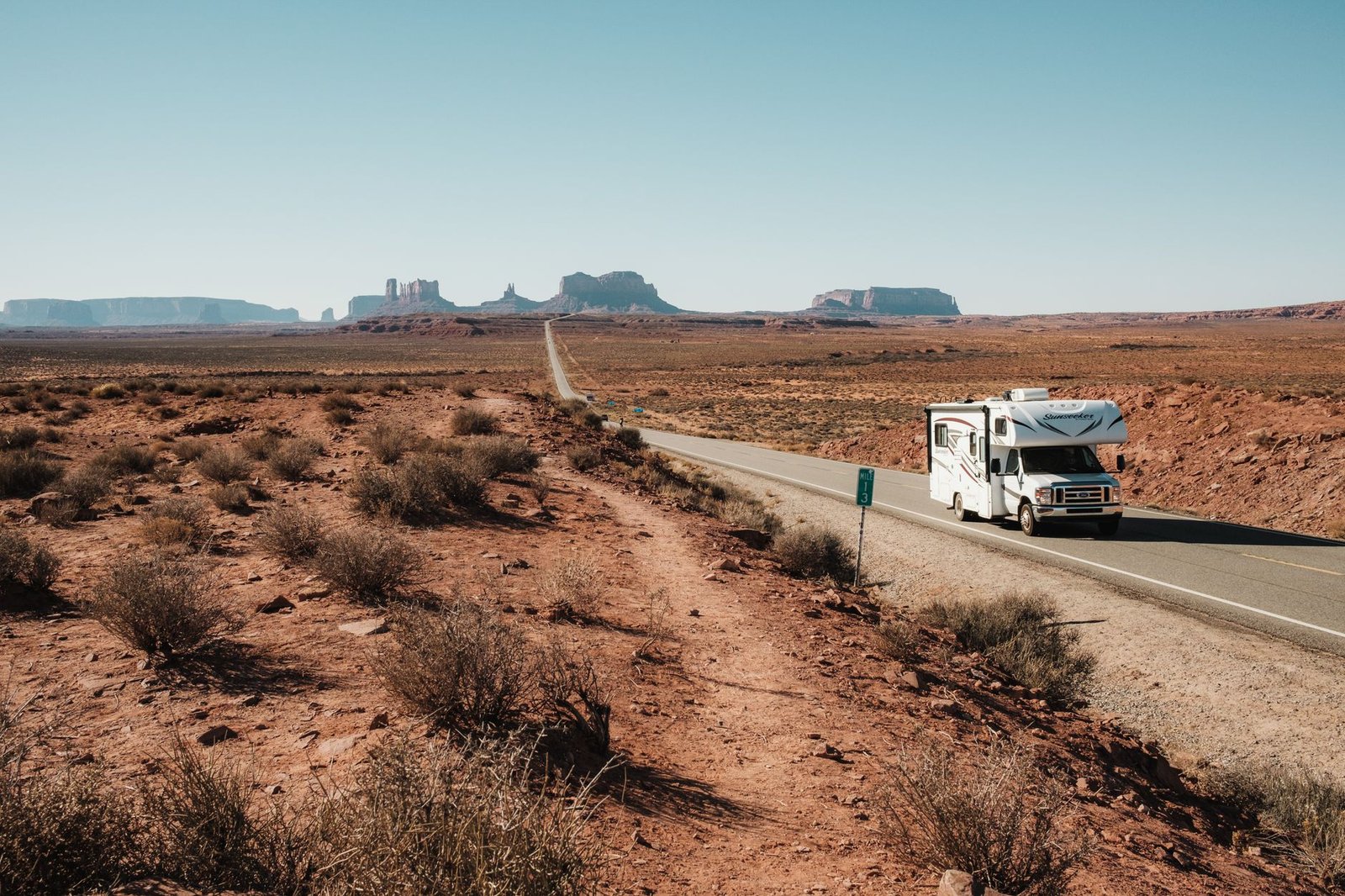
Utah has long been a bucket-list destination, but the current year has seen an unprecedented surge in visits to its ‘Mighty 5’ National Parks. For the RV owner, finding the Best RV Campgrounds in Utah 2026 requires a balance of strategic booking and a willingness to explore dispersed camping options. From the red rock arches of Moab to the crystal blue waters of Lake Powell, Utah offers a geological diversity that few other states can match.
Deep Dive: Lone Rock Beach and the Appeal of Primitive Camping
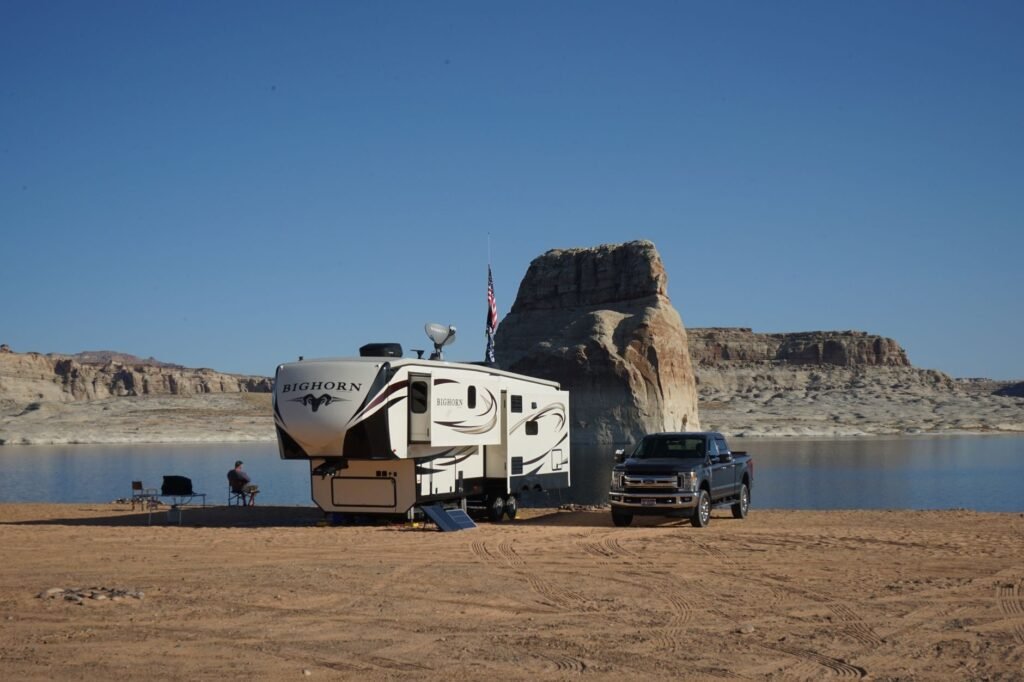
Located within the Glen Canyon National Recreation Area, Lone Rock Beach allows RVers to park directly on the sand at the edge of Lake Powell. Unlike traditional campgrounds with numbered slips, Lone Rock is a free-for-all in the best sense of the word. You find a spot that looks stable, level your rig, and wake up with a 360-degree view of the water and towering monolithic rocks.
However, camping here in 2026 requires more preparation than your standard KOA visit. Because there are no hookups, a robust solar setup and large fresh water tanks are non-negotiable. Many travelers are now utilizing The 2026 Boondocking Camper Trailer Setup to handle the extreme desert heat and lack of shore power. The appeal lies in the freedom; you are not staring at the back of another trailer, but rather the vast expanse of the Utah desert.
The Sand Factor: RV Safety at Lone Rock
While the view is unparalleled, the terrain can be treacherous for heavy motorhomes and fifth wheels. The sand at Lone Rock varies from hard-packed to deep silt. Experienced campers recommend scouting your path on foot before driving your rig toward the waterline. It is also wise to carry traction boards and a high-quality tire pressure gauge to air down if the sand becomes soft.
Top Recommended RV Campgrounds in Utah for 2026
Beyond the beach, Utah offers several world-class facilities that cater to different styles of camping. Whether you need full hookups for a family of five or a quiet basecamp for hiking, these are the top-rated spots for the 2026 season:
- Watchman Campground (Zion National Park): This remains the gold standard for National Park camping. It offers electric hookups and is located just steps from the Zion Canyon Shuttle system. Reservations for fall 2026 are already filling up fast.
- Under Canvas Lake Powell-Grand Staircase: For those who prefer ‘glamping’ or have friends without RVs, this site offers luxury safari tents alongside stunning vistas. It provides a more curated outdoor experience.
- Devil’s Garden (Arches National Park): If you want to sleep among the arches, this is the only spot inside the park. There are no hookups, so ensure your batteries are topped off.
- Sand Hollow State Park: Located near St. George, this park offers full hookups and a beautiful blue reservoir surrounded by red sand dunes, perfect for OHV enthusiasts.
Comparison of Top Utah RV Camping Locations
| Campground | Location | Hookups | Best Feature |
|---|---|---|---|
| Lone Rock Beach | Lake Powell | None (Primitive) | Direct beach access & views |
| Watchman | Zion NP | Electric only | National Park convenience |
| Devil’s Garden | Arches NP | None | Epic red rock scenery |
| Sand Hollow | Hurricane, UT | Full Hookups | OHV trails and swimming |
| Portal RV Resort | Moab | Full Hookups | Luxury amenities & pool |
National Trends: Vermont’s Primitive Camping Update
The move toward primitive camping isn’t just a Utah phenomenon. In August 2026, Vermont state officials proposed the first major changes to primitive camping regulations in over 30 years. These new rules aim to manage the increased volume of campers by establishing clearer boundaries on how far a site must be from water sources and limiting the length of stay in certain high-traffic forests.
For the RV community, this signals a broader trend: as boondocking becomes more popular, management agencies are stepping in to protect the land. Whether you are in the Utah desert or the Vermont mountains, the “Leave No Trace” principles are being reinforced with stricter enforcement in 2026. This makes it critical for campers to stay informed about local ordinances before setting up camp.
Essential Gear for Utah Desert Camping in 2026
Camping in Utah’s high desert during the 2026 season requires specific equipment to stay safe and comfortable. The temperature swings can be dramatic, often dropping 40 degrees once the sun sets. According to data from the National Park Service, the lack of natural shade in areas like Lone Rock Beach makes heat management a top priority.
First, consider your water capacity. In primitive areas, you should plan for at least two gallons of water per person per day, plus extra for your RV’s plumbing. Second, invest in high-quality window shades. Reflective covers can reduce the interior temperature of an RV by as much as 15 degrees in direct sunlight. Finally, ensure your rig meets the current standards for size and weight, as highlighted in the 2027 National Park RV Size Restrictions, which are already beginning to affect site availability in the busier Utah parks.
Checklist for High Desert Boondocking
- Solar Power System: At least 200-400 watts of panels to keep batteries charged without a generator.
- Portable Waste Tote: Since there are no sewer hookups, a ‘blue boy’ tank can save you from moving your entire rig to the dump station.
- Sand Recovery Tracks: Essential for beach locations like Lone Rock or Coral Pink Sand Dunes.
- Satellite Internet: Systems like Starlink are now standard for many 2026 campers to stay connected in remote canyons.
- Collapsible Water Bladders: To extend your stay without losing your prime parking spot.
Fall 2026 Planning: It is Not Too Late
While many of the premier spots in Zion and Bryce Canyon require reservations six months in advance, fall 2026 still offers plenty of opportunities. September and October are arguably the best months to visit Utah; the scorching summer heat has faded, and the monsoon season has typically ended. For those looking to book late, state parks and Bureau of Land Management (BLM) lands often have more flexibility than the National Parks.
According to recent reports from travel experts, the ‘shoulder season’ is shrinking. More people are working from their trailers and extending their trips into the late autumn. To secure a spot, use apps like The Dyrt or Campendium to look for recently cancelled sites. Additionally, many private RV parks in Moab and St. George have expanded their capacity for the 2026 season to accommodate the growing demand.
Safety Considerations: Flash Floods and Heat
Utah’s beauty comes with inherent risks. Flash flooding is a serious concern in the desert canyons. A storm ten miles away can send a wall of water through a dry wash in minutes. When choosing a spot for Best RV Campgrounds in Utah 2026, never park in a wash or low-lying area, even if the sky is clear. Always check the weather forecast from a reliable source like the National Weather Service before heading into remote areas.
Furthermore, wildlife encounters are on the rise. Recent reports from the Bureau of Land Management have noted increased bear and cub activity in certain western camping areas. Proper food storage is no longer just a suggestion; it is a necessity for the safety of the animals and the campers. Keep all food and trash inside your hard-sided RV or in bear-proof containers provided by the parks.
Final Thoughts: Embracing the Primitive Trend
The fact that a campsite with no water or power is the #1 destination in 2026 says everything about the current state of RVing. Campers are looking for a reconnection with nature that luxury resorts simply cannot provide. Utah, with its vast stretches of public land and iconic monuments, is the perfect theater for this new era of exploration.
Whether you choose the sandy shores of Lone Rock Beach or the organized comfort of a state park, the key to a successful 2026 Utah trip is preparation. Respect the land, stay informed on changing regulations, and ensure your rig is equipped for the unique challenges of the desert. The red rocks are calling, and there has never been a better time to answer.
Frequently Asked Questions
Can I take a large RV to Lone Rock Beach?
Yes, large RVs can access Lone Rock Beach, but caution is required. The sand can be soft in areas. It is recommended to stay on the more packed sections and scout your route on foot before driving onto the beach.
Are there any hookups at the best-rated Utah campsite?
No, Lone Rock Beach is a primitive camping area with no water, power, or sewer hookups. Campers must be fully self-contained.
What are the new primitive camping rules for 2026?
States like Vermont are introducing stricter stay limits and distance requirements from water sources. In Utah, many BLM areas now require the use of portable toilets and stricter trash removal protocols to manage high traffic.
When is the best time for RV camping in Utah?
Fall (September to October) and Spring (April to May) are the best times. These months offer milder temperatures and avoid the peak summer heat and winter snows.