The 2026 Shift in RV Water Management
As we move into the 2026 camping season, the landscape of off-grid travel has undergone a fundamental change. Traditional ‘dry camping’ used to mean simply filling your fresh tank and hoping it lasted the weekend. Today, due to increased environmental oversight and the popularity of remote work from the road, an RV Greywater Recycling System 2026 has become a cornerstone of the modern travel trailer setup. With new federal guidelines emphasizing the protection of desert soil crusts and riparian zones, managing what leaves your trailer is just as important as what goes into it.
For those unfamiliar, greywater is the wastewater from your sinks and shower. Unlike blackwater (from the toilet), greywater can be safely treated and reused for non-potable purposes, such as flushing the toilet or even washing the exterior of the rig. In 2026, the technology has miniaturized and become efficient enough for standard 20-foot to 30-foot travel trailers, effectively doubling the usable life of a single fresh water fill.
Understanding 2026 Greywater Regulations
Before investing in new hardware, it is critical to understand the legal environment. Several Western states, including Arizona and Utah, have adopted stricter discharge mandates for 2026. These rules strictly prohibit the ‘trickle’ method of greywater disposal that some boondockers used in decades past. Primary authorities such as the EPA’s WaterSense program now provide frameworks that many state parks are adopting for mobile dwellings.
The current 2026 standard emphasizes total containment or advanced filtration. Many ‘Zero-Trace’ zones now require RVers to show proof of a closed-loop or recycling system if they plan to stay on public lands for more than 14 days. This push is part of a broader effort to maintain the integrity of popular boondocking locations that have seen record-high traffic over the last five years.
The Role of the Bureau of Land Management (BLM)
The BLM has introduced new ‘Sustainability Pass’ requirements in specific Long-Term Visitor Areas (LTVAs). If your rig is equipped with a certified recycling system, you may be eligible for extended stay permits that are otherwise restricted. To learn more about the broader context of these regulations, refer to our guide on 2026 Boondocking Rules and Regulations.
How Modern 2026 Recycling Systems Work
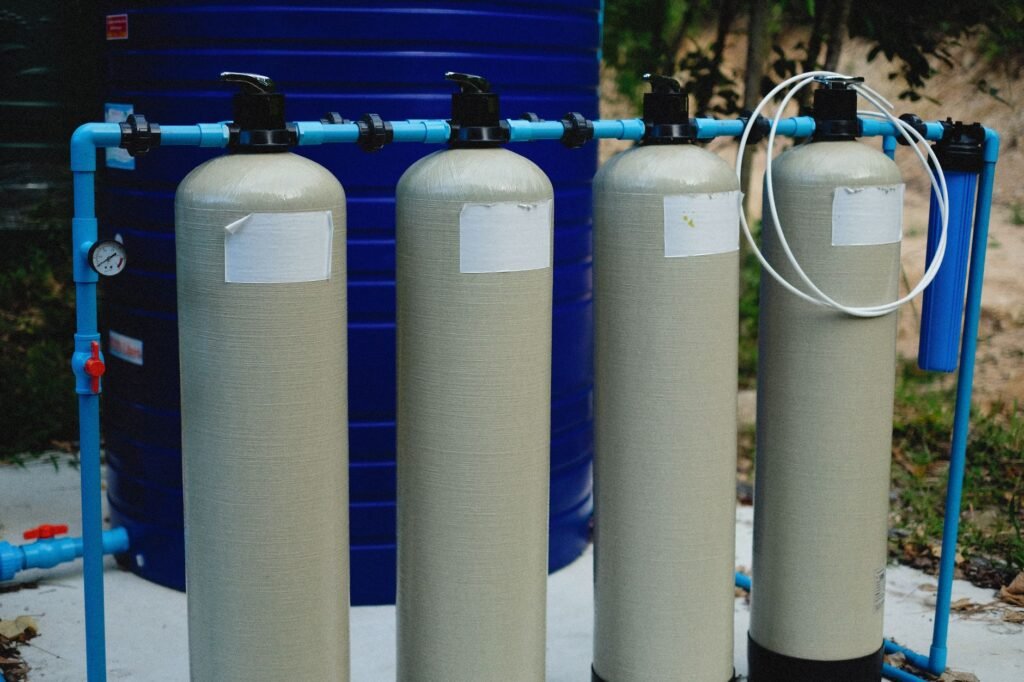
The 2026 generation of recycling systems has moved beyond simple mesh filters. They now utilize a multi-stage process that ensures the recycled water is clear, odorless, and safe for its intended reuse. The process generally follows these steps:
- Primary Sediment Filtration: Removes hair, food particles, and large debris.
- Oil and Soap Sequestration: Uses specialized media to bind with fats and surfactants from dish soap and body wash.
- Ultrafiltration (UF): A membrane-based process that removes bacteria and fine particulates down to 0.01 microns.
- UV-C Sterilization: The final stage where water passes through a high-intensity Ultraviolet-C chamber to neutralize pathogens.
By the time the water reaches your secondary holding tank, it is technically cleaner than the water found in many natural lakes, though in 2026, it is still classified as ‘non-potable’ for human consumption. Many high-end rigs, like the Dometic H2O-Gen equipped units, integrate this recycling loop with atmospheric water generation for a truly infinite water cycle.
Comparison Table: 2026 Water Management Strategies
| Feature | Traditional Tank System | Basic Filtration Loop | Advanced 2026 Recycling |
|---|---|---|---|
| Water Recovery Rate | 0% | 15-20% | 60-85% |
| Maintenance Level | Low | Moderate (Monthly) | High (Filter Swaps) |
| Regulatory Compliance | Limited | State Dependent | Federal/NPS Approved |
| Typical Cost (2026) | Included | $400 – $800 | $1,500 – $3,500 |
| Best Use Case | Weekend Hookups | Short Boondocking | Full-Time Off-Grid |
Top Components of a 2026 Off-Grid Setup
If you are looking to retrofit your current travel trailer, several key components have emerged as the gold standard in 2026. The shift toward 12V high-efficiency systems means these units can run off your solar bank without needing a massive inverter. Authoritative bodies like the RV Industry Association (RVIA) have updated their plumbing codes to specifically include these pressurized recycling loops.
1. Intelligent Multi-Stage Pump Controllers
Unlike old-fashioned pressure switches, 2026 controllers use pulse-width modulation (PWM) to adjust pump speed based on filter resistance. This prevents ‘hammering’ in the lines and extends the life of the delicate UF membranes.
2. Graphene-Enhanced Filter Media
A major breakthrough for the 2026 season has been the introduction of graphene-based filters. These filters are significantly smaller than traditional activated carbon canisters but offer three times the surface area for chemical adsorption, making them perfect for the cramped quarters of a travel trailer’s ‘wet bay.’
3. Real-Time Water Quality Sensors
New digital hitch standards and smart-home integration now allow RVers to monitor the ‘TDS’ (Total Dissolved Solids) of their recycled water via a smartphone app. If the UV-C bulb fails or a filter becomes saturated, the system automatically diverts the water to the waste tank to prevent contamination of the clean side.
Installation Guide: Retrofitting Your Trailer
Installing a RV Greywater Recycling System 2026 is a significant project that requires moderate plumbing and electrical skills. Most DIYers should set aside a full weekend for the process. Ensure you are following the latest safety standards as outlined by National Park Service camping guidelines regarding onboard equipment.
Step 1: Planning the Loop
Identify where your greywater lines converge before they hit the main holding tank. This is usually near the shower trap. You will need to install a three-way diverter valve that allows you to send water to either the recycling system or the standard waste tank (for when the water is too contaminated with heavy grease or chemicals).
Step 2: Mounting the Filtration Stack
Most 2026 systems are designed to be mounted on a vertical wall within a storage bay. It is vital to mount these in a heated or insulated space, as the UF membranes can be destroyed if the water inside them freezes. Use PEX-B tubing for all connections to ensure durability against road vibrations.
Step 3: Integrating the UV-C Stage
The UV-C chamber must be installed after the pumps but before the water enters the secondary ‘clean’ grey tank. Ensure the power supply is tied into your 12V master switch so the light isn’t burning 24/7, though most 2026 units include a flow sensor that only activates the lamp when water is moving.
Maintenance and Safety Protocols
Owning an advanced water system requires a disciplined maintenance schedule. In the 2026 era of smart RVing, neglecting your filters doesn’t just mean poor water quality; it can lead to system-wide lockouts if the sensors detect a breach in purity.
- Monthly: Inspect the primary sediment screen and flush the UF membrane. Many 2026 systems have a ‘back-flush’ mode that uses a small amount of clean water to clear the pores of the filter.
- Quarterly: Replace the graphene or carbon stages. These are the workhorses of the system and will eventually become ‘spent’ as they absorb soaps and oils.
- Annually: Sanitize the entire loop with a mild, RV-safe peroxide solution. Avoid chlorine bleach, as it can degrade the specialized membranes used in 2026 recycling units.
The Cost-Benefit Analysis of Recycling
While the initial investment for a high-end 2026 system can exceed $2,000, the long-term savings are substantial. For full-time travelers, the ability to avoid frequent trips to dump stations saves an average of $600 per year in fuel and fees. More importantly, the ‘freedom factor’ of being able to stay in remote locations for three weeks instead of one is priceless for many in the community.
Furthermore, rigs equipped with these systems are seeing a 10-15% premium on the used market in 2026. As more regions move toward ‘managed water’ models, a trailer that can handle its own waste is a much more attractive asset.
Future Trends: Looking Toward 2027
As we look past 2026, the next step in this evolution is the integration of AI-driven water management. We are already seeing prototype systems that can ‘predict’ water usage based on your calendar and weather forecasts, optimizing the recycling rate to ensure you never run dry. The goal for the 2027 season is a ‘Zero-Input’ rig, where atmospheric generation and recycling work in such perfect harmony that the fresh water fill port becomes a backup rather than a necessity.
Conclusion
Adapting to the RV Greywater Recycling System 2026 standards is more than just a technical upgrade; it is a commitment to the future of the American wilderness. By managing our resources responsibly, we ensure that the most beautiful boondocking spots remain open and healthy for generations to come. Whether you are a weekend warrior or a digital nomad, upgrading your water game is the single most impactful move you can make this year.
Frequently Asked Questions
Can I drink the water from an RV greywater recycling system?
No. In 2026, while the technology is highly advanced, the treated water is intended for non-potable uses like toilet flushing or exterior cleaning. It is not rated for drinking or cooking.
Do 2026 BLM rules require these systems?
They are not universally required yet, but they are mandatory in specific 'Zero-Trace' pilot zones and LTVAs if you wish to stay beyond the standard 14-day limit without visiting a dump station.
How much solar power does a recycling system use?
Most 2026 models are highly efficient, drawing between 3 to 7 amps only while the pump is actively running. They can easily be supported by a standard 200-watt solar array.