
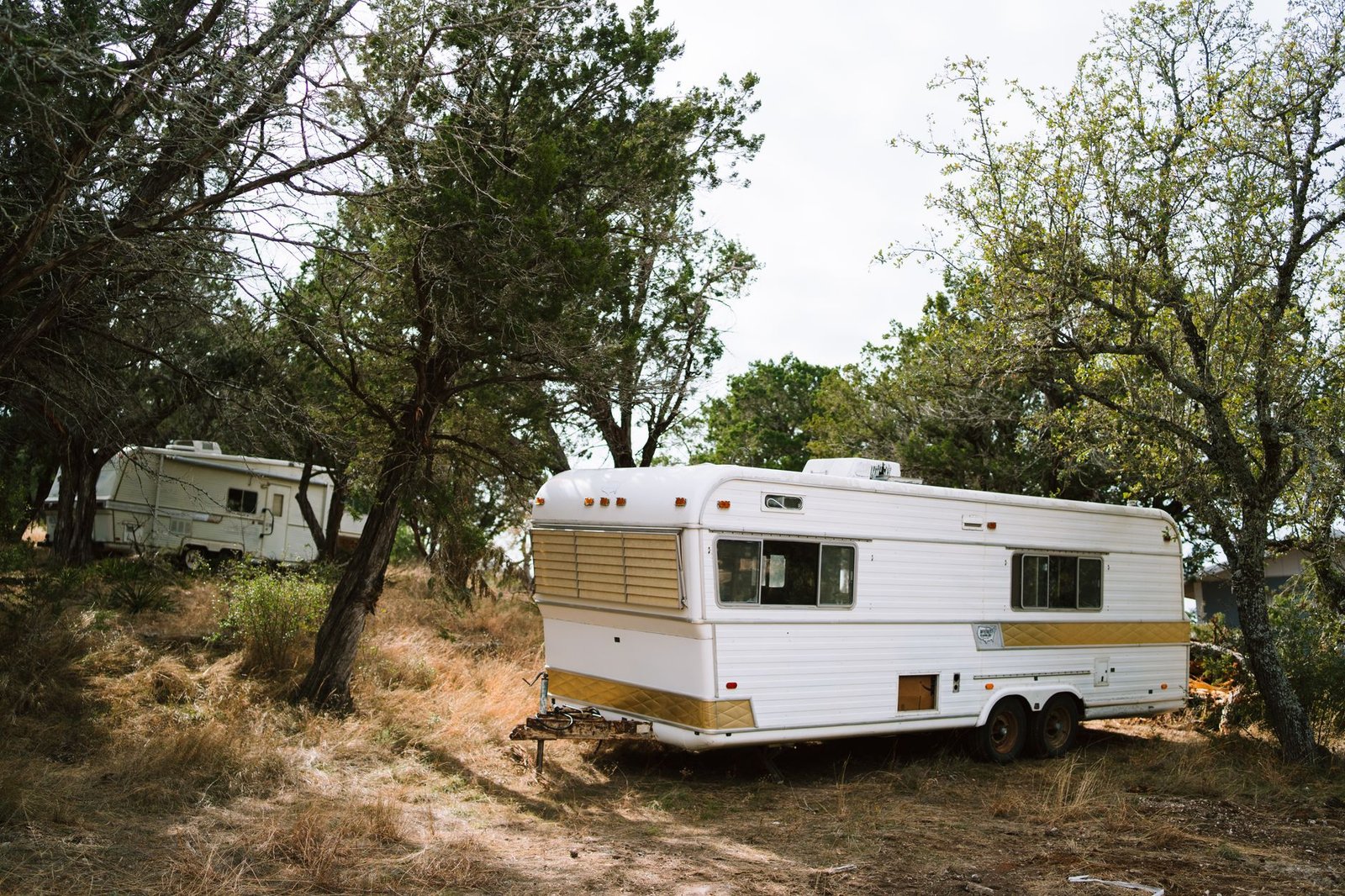
Navigating the 2026 Camper Trailer Market
Stepping into the world of camper trailers in 2026 is vastly different than it was even five years ago. We are currently seeing a paradigm shift in how Americans approach mobile living. The days of ‘the bigger, the better’ are being replaced by a focus on efficiency, smart technology, and off-grid capability. Whether you are a weekend warrior or a digital nomad, your choice in a rig will dictate the quality of your travel experience for years to come.
The 2026 season has introduced advanced lightweight materials and integrated power systems that make towing more accessible to those with mid-sized SUVs and even some electric vehicles. However, with these advancements come new complexities. Understanding the nuances of modern hitch systems, lithium power banks, and digital monitoring is no longer optional—it is essential for a safe and enjoyable trip.
The Critical ‘Right-Sizing’ Decision
One of the most frequent errors reported by new owners in the 2026 market is over-buying. It is tempting to stand in a cavernous 35-foot travel trailer and imagine your family relaxing in luxury. However, in practice, larger rigs often limit your options. Many of the most beautiful national park campgrounds in the U.S. have length restrictions that can make a large trailer a liability rather than an asset.
Instead, 2026 is the year of the ‘Micro-Rig.’ These trailers maximize every square inch, offering convertible furniture and outdoor kitchens that expand your living space into the nature around you. Before committing to a purchase, consider where you actually want to spend your time. If your dream involves remote forestry roads, a 20-foot off-road camper trailer will serve you better than a luxury 30-footer designed for paved RV resorts.
Payload Capacity: The Silent Rig Killer
Many buyers focus exclusively on ‘Dry Weight’ or ‘Unloaded Vehicle Weight’ (UVW). This is a mistake that can lead to dangerous towing conditions. In 2026, many trailers come equipped with heavier standard features like solar arrays and large battery banks. You must account for the Cargo Carrying Capacity (CCC), which includes your water, propane, gear, and food. Overloading your trailer can void your warranty and, more importantly, strain your tow vehicle’s transmission and braking systems. Always consult a comprehensive safety guide for weight calculations before finalizing your setup.
Top 2026 Camper Trailer Inspection Checklist
Before you sign the paperwork on a new or used 2026 model, a thorough inspection is your best defense against ‘buyer’s remorse.’ Even brand-new units can leave the factory with minor defects that become major headaches later. Use the following table to guide your walk-through inspection.
| Category | Specific Component | What to Look For |
|---|---|---|
| Exterior Seals | Roof and Windows | Check for gaps in Dicor or silicone sealant; press around windows for soft spots. |
| Chassis | Frame and Axles | Look for signs of surface rust or irregular weld points on the main frame. |
| Electrical | Smart Hub/Monitoring | Ensure the digital interface correctly reports battery levels and tank status. |
| Plumbing | PEX Connections | Run all faucets and flush the toilet; check under sinks for any moisture. |
| Appliances | AC and Furnace | Verify the heat pump or AC starts without excessive vibration or noise. |
The Shift Toward Integrated Smart Technology
In 2026, the ‘Smart Camper’ is the industry standard. Most mid-to-high-range trailers now feature centralized control systems that allow owners to monitor tank levels, adjust lighting, and deploy slide-outs from a smartphone app. While convenient, this technology requires a new level of owner literacy. You are no longer just a camper; you are a technician managing a mobile local area network (LAN).
When evaluating a 2026 camper trailer, ask about the ‘analog overrides.’ In the event of a software glitch or a dead tablet, you need to know how to manually retract your awning or level your jacks. Relying 100% on digital systems is a risk that seasoned travelers avoid. Furthermore, ensure your rig is equipped with the latest 2026 RV towing safety equipment to integrate your trailer’s brakes and sensors with your tow vehicle’s dashboard.
Hidden Costs of Camper Trailer Ownership
The sticker price of a trailer is only the beginning. To truly budget for your 2026 adventures, you must account for the following expenses that often catch newcomers off guard:
- Insurance Premiums: With the rising cost of RV components and labor, insurance rates for camper trailers have adjusted accordingly. Ensure you have ‘Replacement Cost’ coverage rather than ‘Actual Cash Value.’
- Storage Fees: Unless you have a dedicated space on your property, expect to pay for secure storage. Many municipalities now have strict codes against parking trailers on residential streets.
- Preventative Maintenance: This includes annual roof inspections, wheel bearing repacking every 10,000 miles, and winterization. Neglecting these can lead to multi-thousand-dollar repair bills.
- Depreciation: While some boutique brands hold their value well, most travel trailers depreciate significantly in the first three years. View your trailer as an investment in your lifestyle, not your bank account.
Choosing the Right Layout for Your Lifestyle
Floor plans are more innovative than ever in 2026. The most popular layouts currently include the ‘Rear Kitchen’ (RK) for those who love to cook and the ‘Murphy Bed’ (MB) for those who want a sofa during the day and a comfortable sleeping area at night. According to the RV Industry Association, the ‘Rear Den’ configuration is also seeing a surge in popularity among full-time workers who need a quiet space for remote meetings.
If you have children, look for ‘Bunkhouse’ (BH) models. In 2026, many of these bunk areas now feature modularity, allowing the lower bunk to be converted into a desk or storage area as your children grow. This flexibility extends the life of your trailer, preventing you from needing to trade it in every few years.
Off-Grid Capability: More Than a Buzzword
Boondocking—camping on public lands without hookups—is the fastest-growing segment of the RV market. To do this successfully in 2026, your trailer should ideally come from the factory with an ‘off-grid package.’ This usually includes a 12V refrigerator, a high-wattage solar controller, and an inverter. While you can add these later, factory integration is typically cleaner and covered under your primary warranty. You can learn more about the technical side of this in our guide on RV solar basics and off-grid power.
Final Considerations: New vs. Used in 2026
The 2026 market presents a unique opportunity for both new and used buyers. There is a surplus of high-quality units from the 2023-2024 production years entering the used market as owners upgrade to newer smart-tech rigs. If you are willing to forego the latest digital apps, a well-maintained three-year-old trailer can save you 30% to 40% off the MSRP of a new model.
However, if you choose the new route, take advantage of the 2026 improvements in towability and chassis design. Manufacturers have made significant strides in aerodynamics, which can improve your tow vehicle’s fuel efficiency by up to 15% compared to older ‘brick-shaped’ trailers. Whichever path you choose, remember that the best camper trailer is the one that gets you out of the house and into the great outdoors.
Frequently Asked Questions
What is the average lifespan of a camper trailer in 2026?
With proper maintenance, a modern camper trailer can last 15 to 20 years. However, the internal components like the furnace, water heater, and digital hubs typically require repair or replacement every 7 to 10 years.
Can I tow a camper trailer with an electric vehicle (EV) in 2026?
Yes, but range is the primary constraint. While many modern EVs have the torque required for towing, expect your range to drop by 40% to 50% when pulling a trailer. Look for ‘aero-optimized’ micro-trailers specifically designed for the EV market.
Do I need a special license to tow a camper trailer?
In most U.S. states, a standard driver’s license is sufficient for trailers under 26,000 lbs. However, some states require a non-commercial Class A or B license for very large rigs. Always check the specific regulations of your home state.
Is 2026 a good year to buy a camper trailer?
2026 is considered a ‘buyer’s market’ due to high inventory levels and a shift toward smaller, more affordable units. Financing rates have also stabilized compared to the volatility of previous years, making it a viable time for a long-term purchase.
Frequently Asked Questions
What is the average lifespan of a camper trailer in 2026?
With proper maintenance, a modern camper trailer can last 15 to 20 years. However, internal systems like the furnace and digital hubs typically require attention every 7 to 10 years.
Can I tow a camper trailer with an electric vehicle (EV) in 2026?
Yes, but expect a range reduction of 40-50%. Many 2026 micro-trailers are specifically aero-optimized to mitigate this range loss for EV owners.
Do I need a special license to tow a camper trailer?
For most states, a standard license is enough for trailers under 26,000 lbs, but very large fifth wheels may require a non-commercial Class A license depending on your state.