When the National Weather Service issued urgent tornado warnings for northern Ohio and the greater Cleveland area on August 21 and 22, 2026, thousands of campers across Lake Erie state parks and private RV resorts faced a terrifying realization: their home on wheels is one of the most dangerous places to be during a severe storm. While a travel trailer or fifth wheel offers a cozy, highly mobile sanctuary during a light summer rain, it provides virtually zero protection when straight-line winds, severe thunderstorms, or tornadoes strike.
If you are currently camping and a severe thunderstorm or tornado warning is issued, here is your immediate action plan: do not stay in your RV. Travel trailers, motorhomes, and campers can be overturned by wind gusts as low as 50 mph, and severe winds can easily tear their lightweight aluminum and fiberglass structures apart. You must immediately evacuate to a designated, permanent brick-and-mortar shelter or find a low-lying ditch if no sturdy building is available.
In this comprehensive guide, we will break down the science of why RVs fail in high winds, how to build a foolproof emergency weather protocol, and the critical steps you must take to protect your family, your pets, and your rig during severe weather.
The Physics of Wind Load: Why RVs Fail in High Winds
To understand why RV severe weather safety is so critical, you have to look at how modern recreational vehicles are designed and built. Unlike residential homes, which are anchored to deep concrete foundations and framed with heavy lumber, brick, or steel, RVs are engineered to be as lightweight and aerodynamic as possible for highway travel. However, the exact features that make an RV easy to tow make it incredibly dangerous when subjected to lateral wind forces.
High Profile and Massive Surface Area
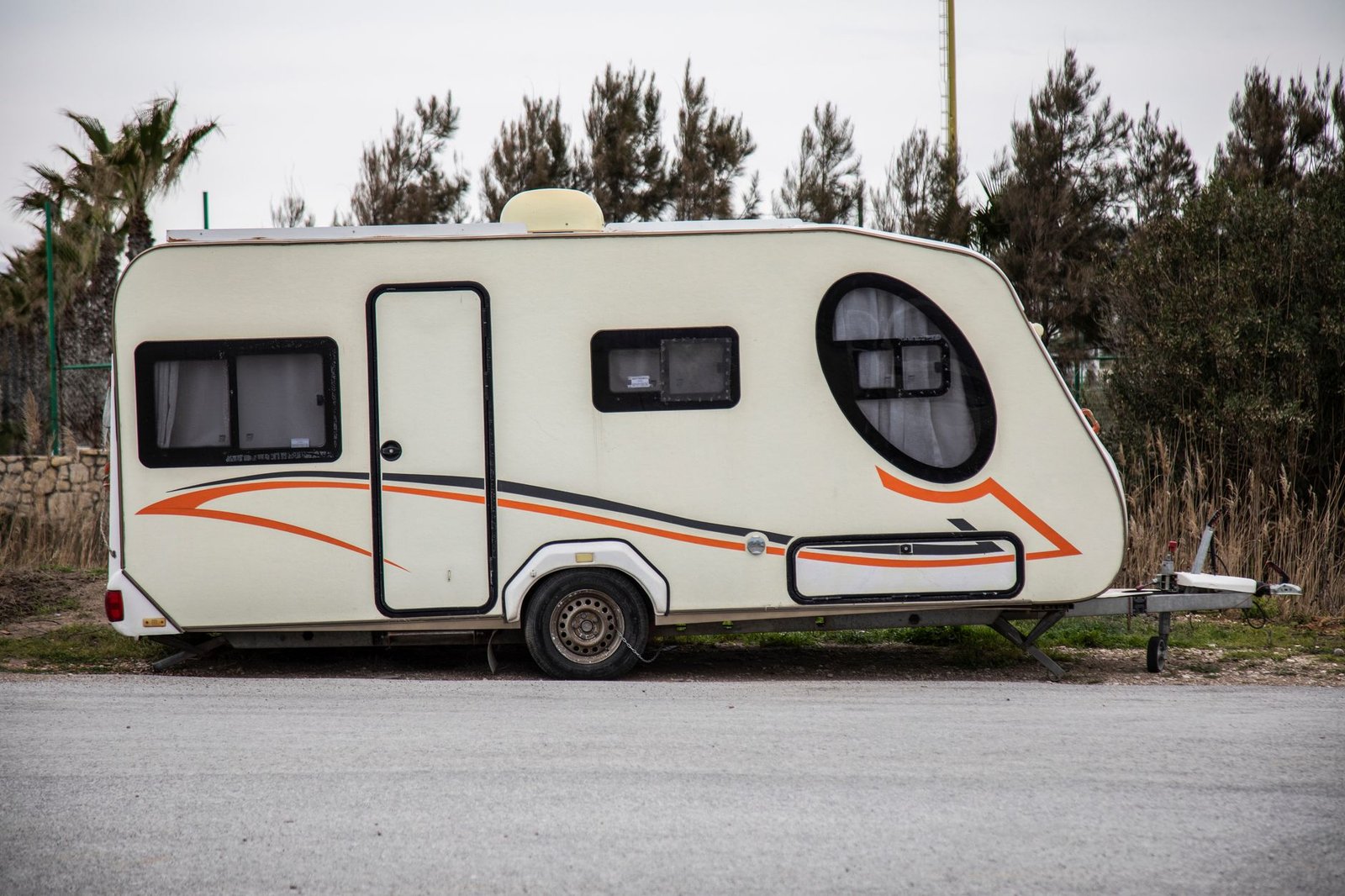
The side of a 30-foot travel trailer acts like a giant sail. Consider the basic math: a 30-foot-long trailer that stands 10 feet high presents a massive 300 square feet of flat surface area to the wind. According to aerodynamic wind load calculations, a 60 mph wind gust exerts approximately 15 pounds of force per square foot. When that wind hits the side of your trailer, it translates to roughly 4,500 pounds of lateral force pushing against your rig. This force is more than enough to overcome the trailer’s center of gravity and flip it onto its side, especially if the wind gets underneath the chassis.
Lightweight Materials and Delamination
Modern RV walls are typically constructed using lightweight aluminum or wood framing, luan plywood panels, rigid foam insulation, and a thin exterior skin of fiberglass or aluminum. While these materials are incredibly efficient for fuel economy, they offer minimal resistance to structural twisting or impact from flying debris. During a severe storm, wind-blown tree branches, large hail, or airborne campsite items (like heavy coolers or lawn chairs) can easily pierce an RV’s exterior walls. Once the outer skin is breached, the wind can rapidly pressurize the interior of the vehicle, causing the roof and walls to blow apart in a process similar to structural delamination.
The False Security of Stabilizer Jacks
Many RV owners mistakenly believe that because their rig is leveled and supported by stabilizer jacks, it is safe from tipping. This is a highly dangerous misconception. Stabilizer jacks are engineered solely to reduce the bouncing and rocking motion of the suspension as people walk inside the coach. They are not designed to anchor the chassis to the earth or resist thousands of pounds of lateral wind load. In fact, scissor jacks and telescoping stabilizers can easily bend, buckle, or slip off their leveling blocks when subjected to extreme lateral forces.
The August 2026 Midwest Storm Outbreak: A Case Study in Camp Base Vulnerability
The severe weather outbreak across the Great Lakes and Midwest on August 21-22, 2026, serves as a sobering reminder of how quickly conditions can deteriorate. The National Weather Service in Cleveland issued multiple tornado warnings and severe thunderstorm alerts as a powerful cold front collided with warm, humid summer air. Campers at popular lakeside resorts and state parks along Lake Erie found themselves directly in the path of fast-moving supercell storms.
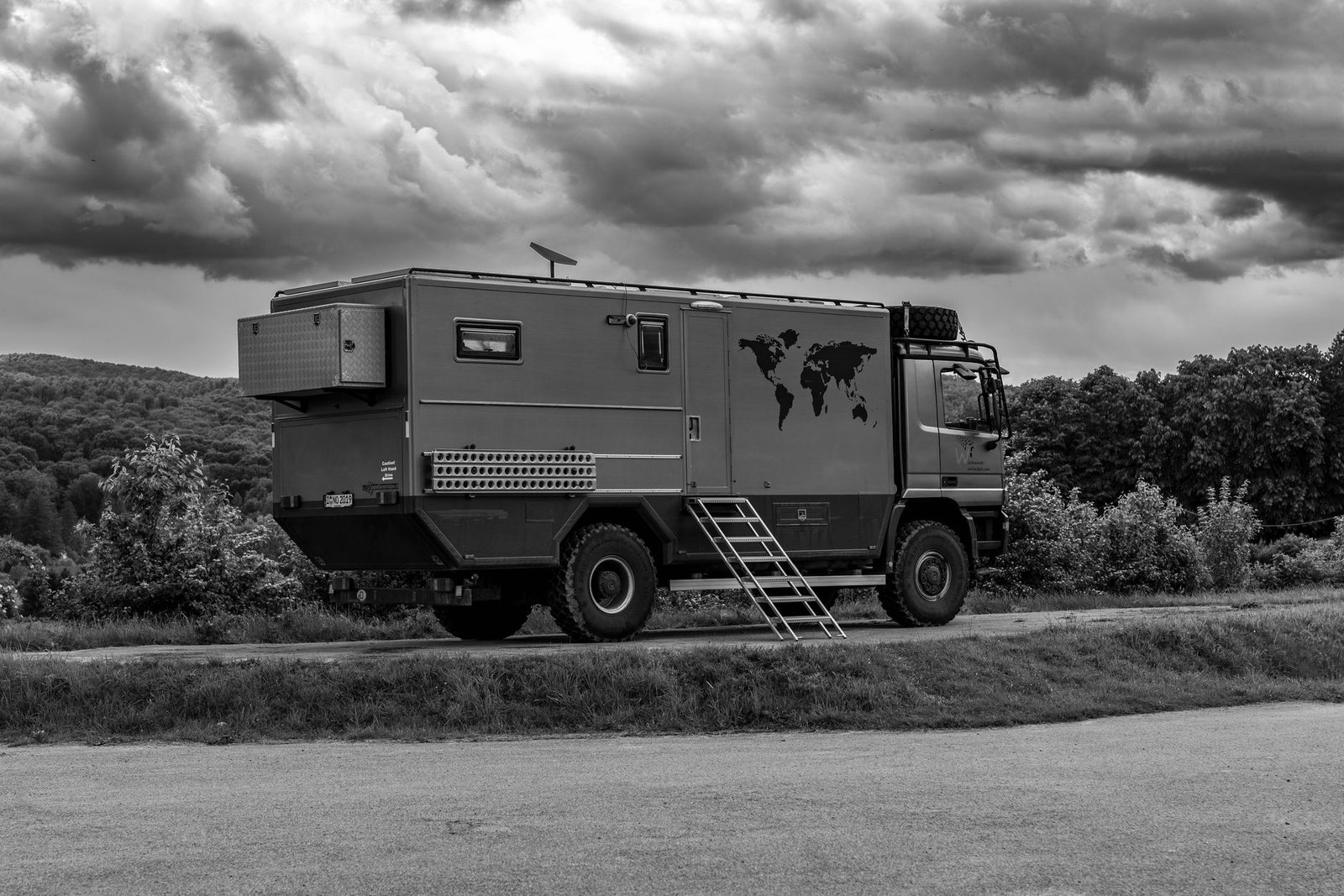
Many RVers were caught unprepared, highlighting a major issue in campground safety: the assumption that a large motorhome or a fifth wheel parked on a concrete pad can withstand severe storms. The reality is that even premium rigs are highly vulnerable. At Lake Erie campsites, high-wind gusts knocked down mature oak trees directly onto parked travel trailers, highlighting the danger of parking under large canopies during a storm. This storm system underscored the vital need for every RVer to monitor local weather developments through official channels like the National Weather Service Cleveland office.
Developing Your Campground Severe Weather Plan
Survival during a severe weather event is entirely dependent on early preparation. When you pull into any campground, your first task should not be leveling your rig, hooking up utilities, or setting up your outdoor kitchen—it must be locating your emergency shelter.
1. Identify the Safest Structure Upon Arrival
Do not wait for a storm warning to start searching for shelter. Walk or drive around the campground immediately after checking in to identify the sturdiest brick-and-mortar buildings. If you are boondocking or dry camping, your emergency planning must be even more rigorous, similar to managing sudden threats like wildfires. To learn more about rapid egress and emergency readiness in remote areas, read our guide on how to execute an RV wildfire evacuation plan.
When searching for campground shelter, use the following guidelines:
- Excellent Shelters: Concrete block bathhouses, brick recreation halls, campground offices, or designated underground storm shelters. Look for structures built with reinforced masonry and minimal windows.
- Dangerous Shelters: Metal carports, open-sided picnic pavilions, wooden pool sheds, canvas tents, or plastic outhouses. These structures can easily collapse or become airborne in high winds.
- Off-Site Options: If the campground has no sturdy permanent structures, identify the closest off-site public building, such as a school, library, or municipal center, and plan your driving route in advance.
2. Establish a Multi-Layered Weather Monitoring System
Cell towers are often the first infrastructure to fail during severe wind and lightning events. Relying solely on a smartphone for weather alerts is a dangerous mistake that could leave you blind during an emergency. To ensure you receive timely warnings, implement a multi-layered approach as recommended by emergency managers at FEMA Ready.gov:
- NOAA Weather Radio: Carry a high-quality, battery-operated or hand-crank NOAA weather radio. Set it to your specific county so you receive localized, loud alerts even while sleeping. Make sure it has a Specific Area Message Encoding (SAME) feature.
- Wireless Emergency Alerts (WEA): Keep your mobile phone’s emergency alert settings enabled. These broadcast-style alerts bypass network congestion to deliver critical warnings directly to your screen.
- Campground Communications: Check if the park has an emergency siren system or a text-alert program for guests. Keep in mind that heavy rain and running RV air conditioners can drown out the sound of outdoor sirens.
3. Know the Terminology
Understanding the difference between a watch and a warning can save your life. Do not wait for a warning to take initial safety precautions:
- Severe Thunderstorm / Tornado Watch: Conditions are highly favorable for severe weather to develop. You should monitor the radar, pack your emergency bag, and prepare to evacuate your RV at a moment’s notice.
- Severe Thunderstorm / Tornado Warning: Severe weather or a tornado has been detected on radar or spotted visually. Immediate shelter-seeking action is required. Your window for safe evacuation is closing rapidly.
Step-by-Step RV Evacuation Protocol
If a tornado or severe thunderstorm warning is issued for your immediate area, you must act within minutes. Do not panic, but move with absolute urgency. Here is the exact step-by-step protocol to follow:
Step 1: Secure Your Rig (Only If Time Permits)
If you have a 15-to-20-minute lead time before the storm arrives, take rapid steps to protect your property. Pull in all slide-outs to minimize your RV’s surface area and structural stress. Retract your awnings completely—awnings are highly susceptible to wind damage and can easily rip off, tearing the RV sidewall in the process. Disconnect your fresh water hose and sewer hose, and turn off your propane tanks at the main valves to prevent fires in case of a rollover. However, if the storm is already on top of you, skip this step entirely and focus solely on life safety.
Step 2: Grab Your Emergency Go-Bag
Your emergency go-bag should always be packed and placed near the RV door. It must contain your physical IDs, passports, vehicle insurance policies, essential medical prescriptions, a well-stocked first-aid kit, a flashlight with extra batteries, portable phone chargers, and some emergency cash. Do not forget to grab your pets, their leashes, and their carriers.
Step 3: Evacuate the RV Immediately
Do not hesitate or debate whether the storm will bypass your campsite. Lock your RV door and walk or run directly to your pre-determined shelter. Ensure every family member is wearing sturdy closed-toe shoes and has a jacket or blanket to protect against flying debris and cold rain.
Step 4: Position Yourself Safely Inside the Shelter
Once inside the concrete bathhouse or designated storm shelter, stay away from windows and doors. Position yourself against an interior wall. If you have safety helmets (such as bicycle or motorcycle helmets), wear them. Use heavy blankets, sleeping bags, or even your hands to protect your head and neck from falling debris. Stay in place until the local authorities or weather services officially declare that the warning has expired.
What to Do If You Are Caught with No Sturdy Shelter
What happens if you are boondocking on public lands or camping in a remote area with absolutely no concrete buildings nearby? This is the worst-case scenario for any RVer, but there are still steps you can take to maximize your survival odds. First, do not attempt to outrun a tornado or severe windstorm in your tow vehicle or motorhome. RVs and large trucks are incredibly difficult to control in high winds, and flying debris can easily penetrate windshields, posing a fatal threat.
Instead, execute the following emergency measures immediately:
- Find a Low-Lying Area: Locate a nearby ditch, ravine, or culvert that is significantly lower than the surrounding road or campsite. This gets you below the main flow of high-velocity winds and flying debris.
- Lie Flat and Cover Your Head: Lie face down in the ditch, covering your head and neck with your arms. If possible, wrap yourself in a heavy blanket, sleeping bag, or tarp to shield against flying gravel and tree limbs.
- Avoid Trees and Power Lines: Ensure your chosen low-lying area is far away from large trees that could blow over or utility poles that could snap and electrocute you.
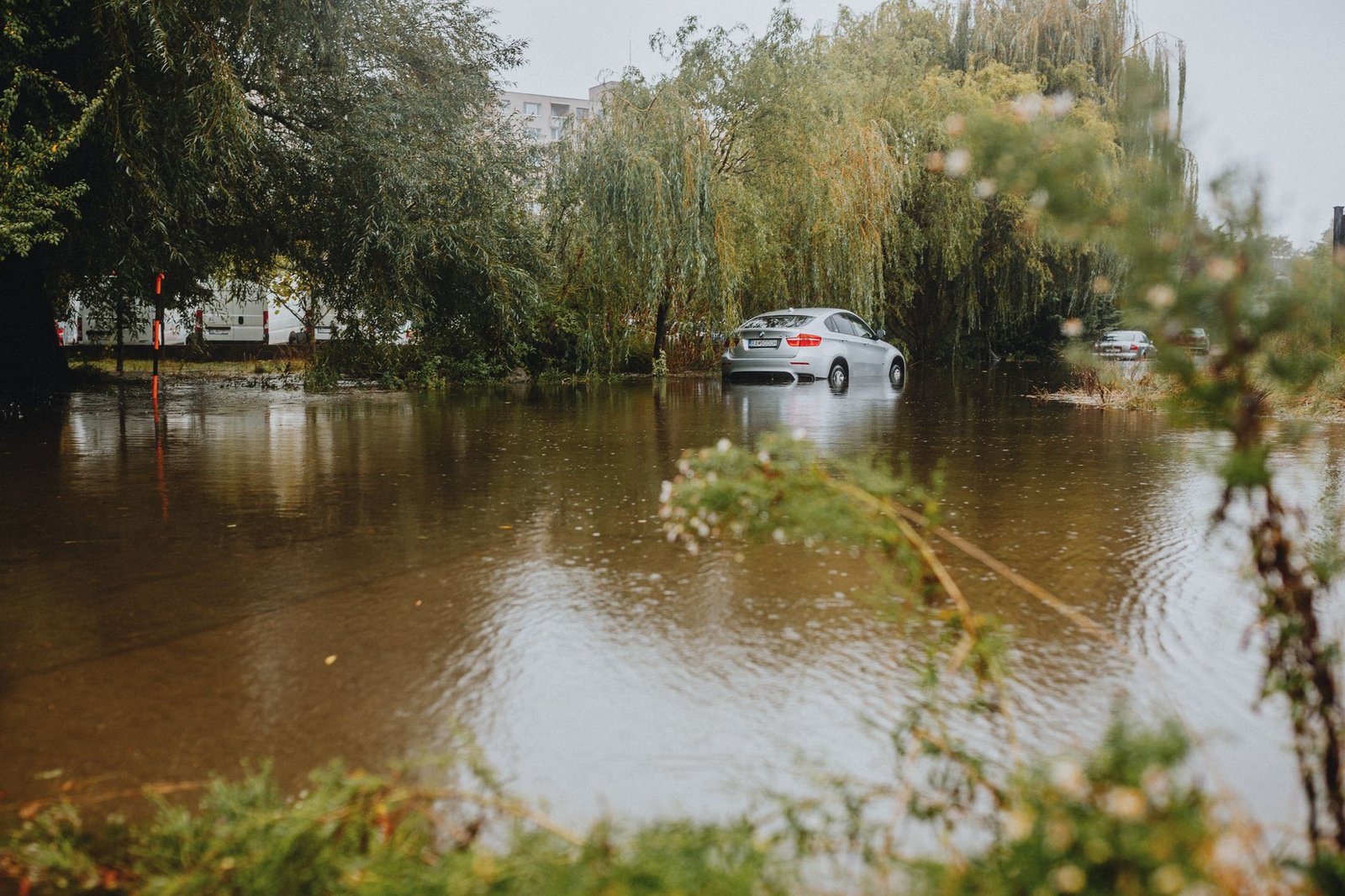
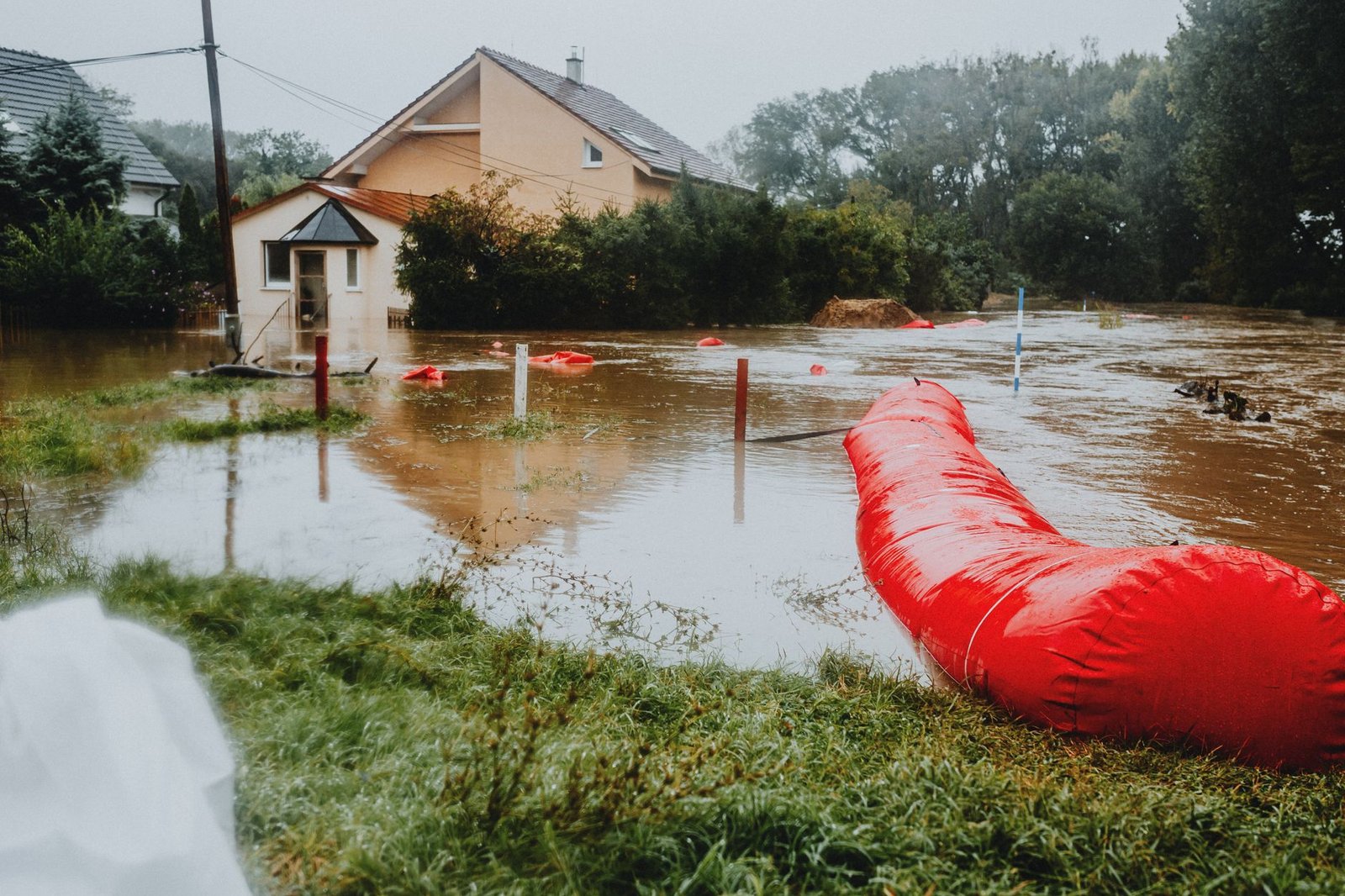
- Monitor for Flash Flooding: While a ditch is excellent protection from high winds, it is also a natural drainage channel. Keep a close eye on rainfall intensity. If water begins to pool rapidly, you may need to move to a slightly higher position. To learn how to balance wind shelter with water hazards, consult our guide on RV flash flood safety.
The Ultimate Camper Severe Weather Safety Checklist
To help you prepare your safety protocols, here is a quick-reference table outlining the risk levels of various severe weather events and the exact actions required for RVers as recommended by safety organizations like the American Red Cross.
| Weather Threat | Wind Speeds & Conditions | Impact on RV & Travel Trailer | Required Action & Safe Location |
|---|---|---|---|
| High Wind Advisory | 30–45 mph sustained winds | Severe trailer sway during towing; awning damage; loose campsite items become projectiles. | Retract all awnings. Pull in slide-outs if sway is noticed. Secure all outdoor gear, chairs, and grills. Monitor radar. |
| Severe Thunderstorm Warning | 58–75 mph wind gusts; large hail | Shattered RV windows; tree branches falling on roof; lightweight trailers pushed or slid; water intrusion. | Evacuate to concrete bathhouse or main office. Disconnect shore power to prevent surge damage. Secure pets. |
| EF0 to EF1 Tornado Warning | 65–110 mph spinning winds | Travel trailers and fifth wheels rolled or flipped; structural wall failure; roofs torn off; heavy debris penetration. | Immediate evacuation. Seek shelter in a concrete storm shelter, brick-and-mortar building, or deep ditch. Do not stay in RV. |
| EF2+ Tornado Warning | 111+ mph spinning winds | Complete destruction. RVs pulverized, lofted, or shredded. Massive threat to life. | Immediate evacuation. Access underground shelter or interior room of a heavily reinforced concrete building. Avoid all vehicles. |
Protecting Your RV’s Electrical Systems from Lightning and Surges
While high winds and tornadoes pose the greatest physical threat to your safety, lightning and power surges pose a massive threat to your RV’s complex electrical systems. When severe thunderstorms roll through a campground, lightning strikes on nearby trees or utility poles can send massive high-voltage surges directly through the campground’s electrical pedestal and into your rig.
To protect your RV’s air conditioners, microwave, refrigerators, and sensitive electronic circuit boards, follow these electrical safety protocols:
- Install an EMS (Electrical Management System): Unlike a basic surge protector, a full EMS constantly monitors incoming voltage, frequency, and wiring conditions. If it detects a surge or a dangerous drop in voltage (brownout), it instantly cuts power to your RV, protecting your appliances from frying.
- Disconnect from Shore Power: If a severe electrical storm is directly overhead, the safest course of action is to physically unplug your RV’s power cord from the campsite pedestal. Turn off the pedestal breaker first, then disconnect the cord and store it safely. Run your essential systems on your 12V house batteries or an onboard generator if safe to do so.
- Unplug Sensitive Electronics: If you do not have an EMS, unplug computers, TVs, and charging stations from the interior wall outlets during a storm.
Ensuring Pet Safety During Campground Emergencies
Our pets rely entirely on us for their safety, and a severe storm can be an incredibly stressful and terrifying experience for dogs, cats, and other companion animals. In the chaos of a rapid evacuation, pets can easily bolt out of fear, becoming lost or injured in the storm.
Incorporate these pet safety measures into your emergency plans:
- Keep Collars and ID Tags On: Ensure your pets are wearing secure collars with up-to-date ID tags containing your cell phone number. Having your pet microchipped is highly recommended.
- Use Crates and Carriers: Keep a pet carrier or crate easily accessible. In a high-wind situation, placing your cat or small dog in a hard-sided carrier protects them from falling debris and makes them much easier to transport to a campground shelter.
- Pack a Pet Emergency Kit: Your go-bag should include several days of pet food, bottled water, collapsible bowls, essential pet medications, and copies of their vaccination records (which some public emergency shelters require).
- Practice Evacuation Drills: Train your pets to enter their carriers quickly and practice carrying them to your designated shelter area. This helps desensitize them to the movement and reduces anxiety during a real emergency.
Post-Storm Safety and Rig Inspection Protocol
Once the storm has passed and the weather warnings have officially expired, do not immediately rush back to your campsite. The minutes and hours following a severe weather event can be just as hazardous as the storm itself due to damaged infrastructure and unstable environments.
Follow this systematic safety protocol when inspecting your campsite after a major storm:
1. Watch for Downed Power Lines
High winds and falling tree limbs frequently knock down utility poles, overhead power lines, and campsite pedestals. Assume every downed wire is live, active, and extremely dangerous. Never touch a wire, puddle, or metal fence near a downed line. If you notice a downed power line or damaged pedestal, notify campground management and local emergency services immediately.
2. Beware of Unstable Trees
Before walking around your RV, look up. Check the surrounding tree canopy for “widowmakers”—large branches that have snapped but are still hanging precariously overhead. These branches can fall hours or even days after the wind has died down. Avoid parking your tow vehicle or pitching tents anywhere near these hazards.
3. Conduct a Structural and Gas Leak Inspection
Before entering your RV, conduct a thorough visual inspection of the exterior. Smell for propane. If you suspect a gas leak or hear a hissing sound, do not turn on any lights, appliances, or flashlights, as an electrical spark could trigger an explosion. Leave the propane valves off, evacuate the immediate area, and contact emergency services. If there are no gas leaks, check the roof for punctures from falling limbs, inspect the slide-out seals, and check the tires for damage from storm debris.
4. Document Everything for Insurance Claims
If your travel trailer or motorhome sustained damage from hail, falling branches, or high winds, take extensive high-resolution photographs and videos before moving any debris or attempting temporary repairs. Document the surrounding environment, including damaged trees and campsite infrastructure, to provide context for your insurance company. Contact your RV insurance provider as soon as possible to file a claim and receive guidance on finding certified repair shops in your area.
Final Thoughts on RV Severe Weather Safety
Camping is one of the most rewarding ways to experience the great outdoors, but it also exposes us to the raw, unpredictable power of nature. The severe storms and tornado warnings that swept through the Midwest on August 21-22, 2026, served as a powerful reminder that an RV is a vehicle, not a storm shelter. By establishing a proactive emergency plan, packing a dedicated go-bag, maintaining a multi-layered weather monitoring system, and knowing exactly where to run when the sirens sound, you can ensure that your family remains safe and secure on every road trip adventure.
Frequently Asked Questions
Is it safe to stay inside an RV during a tornado?
No, it is never safe to stay inside an RV, camper, or travel trailer during a tornado. RVs lack solid foundations and can easily be rolled, shredded, or crushed by winds as low as 50-60 mph. You must seek a permanent, concrete or brick-and-mortar shelter immediately.
At what wind speed should you evacuate an RV?
You should prepare to evacuate your RV when wind gusts are forecast to exceed 50 to 60 mph. Standard travel trailers can experience extreme instability, awning damage, and tipping risks at these speeds.
What should I do if my campground has no storm shelter?
If your campground lacks a concrete bathhouse or reinforced brick building, look for a nearby off-site public building like a school or library. In an absolute emergency with no structures nearby, lie flat in a deep ditch or ravine, far from trees and power lines, and cover your head with your arms or heavy blankets.
Should I keep my RV slide-outs in during a windstorm?
Yes. Pulling in your slide-outs reduces the physical surface area of your RV, making it more aerodynamic and reducing structural twisting and wear on the slide mechanisms during high winds.