
The New Standard for Electric Van Life
As we navigate the peak of the 2026 camping season, the shift toward sustainable travel has moved from a niche interest to a mainstream movement. Leading this charge is the Nissan Interstar-e Camper Van 2026, a vehicle that represents a significant leap forward in electric RV technology. Unlike previous attempts at electric campers that felt like compromises, the 2026 Interstar-e is built on a dedicated electric platform designed to handle the heavy payloads of a fully equipped home on wheels.
For years, van lifers have dreamed of a rig that offers silent operation, zero emissions at the campsite, and the ability to run high-draw appliances without a noisy generator. With the arrival of the Interstar-e conversion kits from major partners like Acela and Westfalia, that dream has become a reality. This guide explores why this specific platform is currently the most discussed topic in the RV community and how it stacks up against the competition.
Battery Performance and Real-World Range
The heart of the Nissan Interstar-e Camper Van 2026 is its 87kWh battery pack. While smaller EV vans struggle with the weight of cabinetry, water tanks, and batteries, the Interstar-e’s chassis has been reinforced to maintain an impressive WLTP range of approximately 200 miles. However, for the American consumer traveling between remote parks, real-world highway range is the metric that matters.
Under a full camping load—including 30 gallons of fresh water, a solar array, and a high-efficiency AC unit—early 2026 testing suggests a highway range of 155 to 170 miles. While this requires more planning than a traditional diesel van, the inclusion of 130kW DC fast charging means you can recover 150 miles of range in roughly 30 minutes. This fits perfectly with the ‘stop and stretch’ rhythm of long-distance road trips.
Comparison: 2026 Leading Electric Camper Platforms
| Feature | Nissan Interstar-e | Mercedes eSprinter | VW ID. Buzz California |
|---|---|---|---|
| Battery Capacity | 87 kWh | 113 kWh | 79 kWh |
| Max Range (Estimated) | 200 Miles | 240 Miles | 230 Miles |
| Fast Charge Rate | 130 kW | 115 kW | 170 kW |
| Payload Capacity | 3,500 lbs | 2,624 lbs | 1,400 lbs |
The Bidirectional Charging Revolution
One of the most innovative features of the Nissan Interstar-e Camper Van 2026 is its Vehicle-to-Load (V2L) and Vehicle-to-Home (V2H) capabilities. In 2026, this technology has become the gold standard for off-grid camping. The van essentially acts as a massive rolling power bank, capable of outputting up to 3.6kW of power through internal and external AC outlets.
This means campers can run induction cooktops, espresso machines, and even electric grills directly from the vehicle’s traction battery. This eliminates the need for propane systems entirely, making the van safer and easier to maintain. Furthermore, when the van is parked at home, it can integrate with your home’s energy system to provide backup power during outages, a feature that significantly increases the vehicle’s overall value proposition.
For those looking to maximize their off-grid duration, many 2026 conversions are integrating these V2L systems with roof-mounted solar panels. You can find more details on optimizing these setups in our guide on how to run your RV AC on solar power.
Interior Design: The ‘MyRoom’ Concept
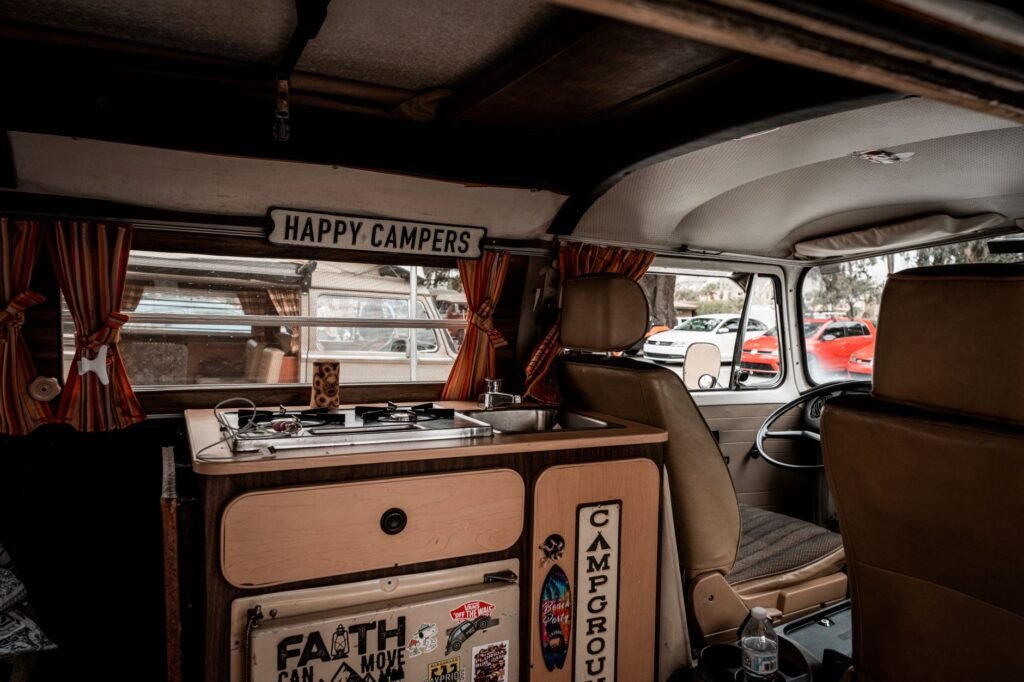
Nissan has taken a unique approach to the interior of the Interstar-e, influenced by their ‘Caravan MyRoom’ concept. Instead of the cramped, utilitarian feel of many Class B motorhomes, the 2026 model prioritizes a ‘mobile hotel room’ aesthetic. Features include:
- Modular Furniture: Seating that quickly converts from a workspace to a lounge, then to a queen-sized bed.
- Minimalist Cabinetry: Lightweight wood finishes and hidden storage solutions that reduce rattle while driving.
- Panoramic Windows: Smart-glass technology that can tint at the touch of a button for privacy without the need for bulky curtains.
- Integrated Digital Hub: A built-in 5G star-link compatible antenna and multiple USB-C PD ports (up to 100W) for digital nomads.
This focus on a clean, modern aesthetic makes the Interstar-e particularly attractive to younger buyers and those using their RV as a part-time mobile office. If you are a first-time buyer considering this move, be sure to check our 2026 camper trailer buying guide to avoid common pitfalls during the acquisition process.
Towing and Payload Capacity
A common concern with electric campers is their ability to tow. The Nissan Interstar-e Camper Van 2026 addresses this with a robust chassis capable of towing up to 5,500 lbs. This allows owners to bring along a small boat, a trailer with ATVs, or even a secondary storage trailer without significantly compromising the van’s structural integrity.
However, it is important to note that towing will reduce the electric range by 30-50% depending on the aerodynamics of the trailer. For those planning to tow frequently, investing in specialized 2026 equipment is vital for safety. You can learn more about the necessary gear in our report on 2026 RV towing safety equipment.
Sustainability Beyond the Tailpipe
Nissan has emphasized that the 2026 Interstar-e is not just green because it lacks an exhaust pipe. The manufacturing process for the 2026 model has seen a 25% reduction in carbon footprint compared to previous generations. The interior utilizes recycled ocean plastics for flooring and sustainable cork for insulation. These choices resonate with the growing demographic of ‘eco-campers’ who want to ensure their presence in nature doesn’t contribute to its destruction.
The shift toward electric propulsion also impacts campground etiquette. The ‘silent arrival’ is now a reality; owners can pull into a campsite at 2:00 AM without waking neighbors with a rumbling diesel engine. This silent operation is also a benefit for wildlife viewing, as the lack of vibration and noise allows you to get closer to nature without causing distress to local fauna.
Maintenance in the Electric Era
One of the most overlooked benefits of the Nissan Interstar-e Camper Van 2026 is the drastically reduced maintenance schedule. Traditional internal combustion engine (ICE) campers require frequent oil changes, transmission fluid checks, and exhaust system repairs—all of which are prone to failure during long, dusty road trips. In contrast, the Interstar-e has fewer moving parts.
Key maintenance tasks are shifted toward:
- Thermal Management Systems: Ensuring the coolant for the battery and motors is at optimal levels.
- Tire Rotation: Because of the high torque and heavy weight of EVs, tire wear can be more aggressive.
- Software Updates: Much like a smartphone, the 2026 Interstar-e receives over-the-air (OTA) updates that can improve range and charging speed over time.
By following a strict trailer maintenance checklist, owners can ensure their electric rig stays on the road for decades rather than years.
Is the 2026 Nissan Interstar-e Right for You?
Despite the technological leaps, an electric camper van isn’t the perfect choice for everyone yet. If your travel style involves ‘cannonballing’ 800 miles in a single day, the charging stops will likely frustrate you. However, if you prefer the ‘slow travel’ philosophy—driving 150 miles, exploring a local town while charging, and then camping for three days—the Interstar-e is unrivaled.
The combination of silent operation, the ability to power your entire life from the vehicle battery, and the lower cost of ‘fuel’ makes it a compelling financial and lifestyle choice. As we move further into 2026, the infrastructure continues to catch up, with more campgrounds offering dedicated high-speed EV chargers at every slip.
Final Thoughts
The Nissan Interstar-e Camper Van 2026 is more than just a new model; it is a proof of concept that the future of the Great American Road Trip is electric. By solving the power needs of off-grid campers through V2L technology and providing a platform that can actually handle the weight of modern luxury, Nissan has set a high bar for the industry. Whether you are a seasoned RVer looking to upgrade or a newcomer drawn to the simplicity of an electric lifestyle, the Interstar-e deserves a top spot on your shortlist.
Frequently Asked Questions
What is the real-world range of the 2026 Nissan Interstar-e Camper?
While the official WLTP range is approximately 200 miles, real-world highway driving with a full camping load and climate control is expected to be between 155 and 175 miles per charge.
Can I run a microwave or coffee maker off the van’s battery?
Yes. The 2026 Interstar-e features Vehicle-to-Load (V2L) technology, providing up to 3.6kW of AC power, which is more than enough to run standard kitchen appliances without an external power source.
How long does it take to charge the Interstar-e at a campground?
On a standard 50-amp RV pedestal (Level 2), a full charge takes about 8-10 hours. At a DC fast charger, you can reach 80% capacity in approximately 30-40 minutes.
Is the Nissan Interstar-e available in the United States?
While the Interstar-e platform is primary in European markets, several US-based conversion companies are importing the chassis for 2026, and Nissan has indicated plans for a wider North American release of its large electric van platforms by late 2026.