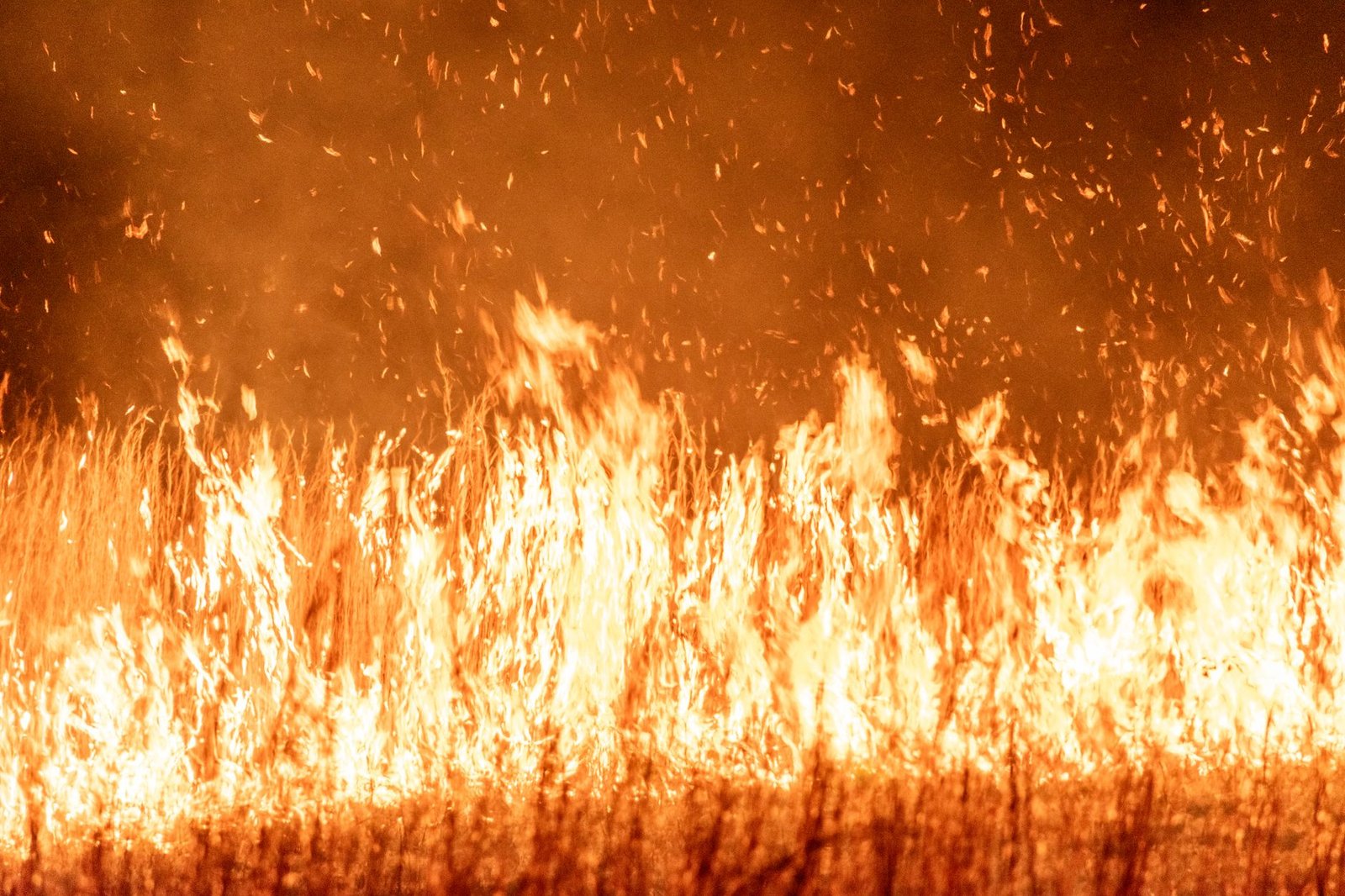
Wildfire season in 2026 has arrived with a ferocity that caught many travelers off guard. As the Logan Fire continues to expand, trailer owners and Rvers are finding themselves on the front lines of emergency evacuations. Unlike a traditional home, where you can simply grab a bag and lock the door, an RV requires a series of mechanical steps before it is road-ready. When the smoke is visible and the sirens are wailing, the difference between safety and disaster is a pre-rehearsed RV wildfire evacuation plan.
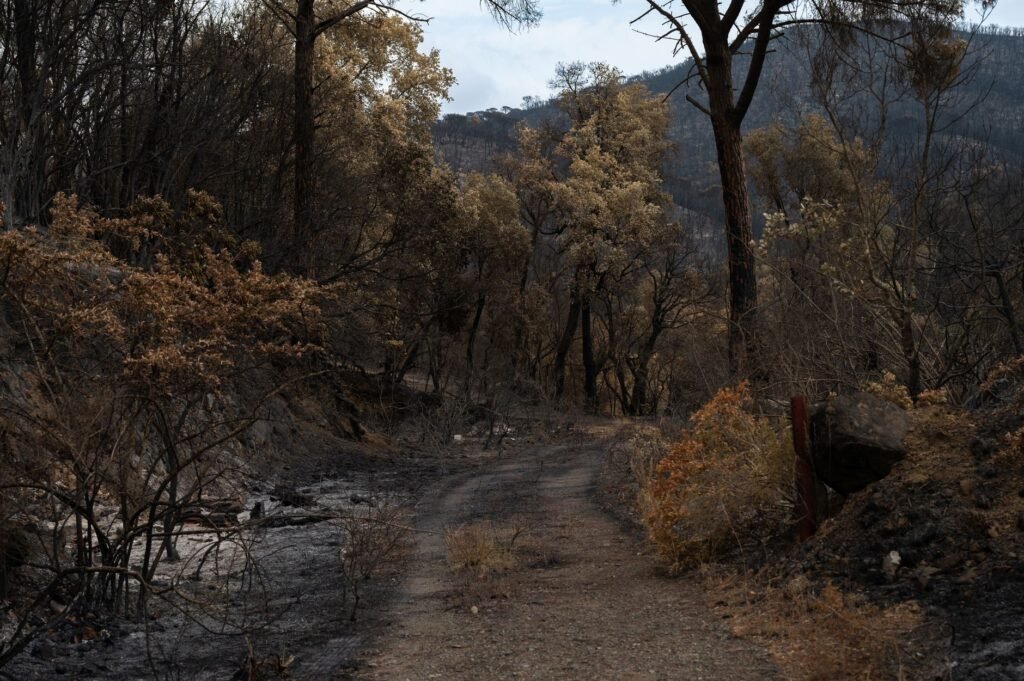
The Reality of the 2026 Wildfire Season
The 2026 season has been characterized by “spotting”—where embers jump miles ahead of the main fire line—making traditional evacuation windows smaller than ever. For those towing travel trailers or fifth wheels, the logistics of weight distribution, brake synchronization, and hitching under pressure add layers of complexity. Authorities have reported that several delays during the Logan Fire occurred because owners were unable to hitch their trailers quickly enough as fire lines shifted unexpectedly.
Preparation is not just about having a full tank of gas; it is about ensuring your tow vehicle and trailer can perform under high-heat, low-visibility conditions. If you are currently in a high-risk area, your preparation starts today, not when the evacuation order is issued.
Creating Your 5-Minute Departure Strategy
In a Level 3 evacuation notice (“Go Now”), you may have less than ten minutes to vacate the premises. A standard departure routine that takes 45 minutes to an hour will not suffice. You must transition your rig into a “Ready-to-Roll” state immediately upon entering any high-risk wildfire zone.
The Ready-to-Roll Configuration
- Keep it Hitched: If you are in a high-risk area for a short stay, do not unhitch. Level the trailer with the truck attached if possible. If you must unhitch, keep the tow vehicle backed up and aligned with the coupler.
- Reverse Parking: Always park your trailer so it is facing the exit. Never back into a spot in a way that requires a multi-point turn to leave.
- Utility Management: Use a single-hose water connection and a simple power plug-in. Avoid elaborate outdoor setups, rugs, or heavy patio furniture that you would have to leave behind or spend time stowing.
- Tire Health: Heat from nearby fires can cause rapid pressure fluctuations. Ensure your tires are in peak condition by following a trailer tire maintenance routine to prevent blowouts during a high-speed exit.
The Emergency Hitching Checklist
Hitching a trailer while your adrenaline is spiking is where most mistakes happen. Use this abbreviated checklist to ensure a safe connection in under five minutes.
| Task | Action Item | Safety Check |
|---|---|---|
| Coupler/Pin | Lower onto ball/fifth wheel plate and lock. | Visually confirm the jaw is closed. |
| Safety Chains | Cross chains under the frame. | Ensure they do not drag on the ground. |
| Breakaway Cable | Clip to a secure point on the tow vehicle frame. | Do not loop through the chains. |
| Electrical | Plug in 7-way connector. | Check that trailer brakes are engaging. |
| Jacks/Slides | Retract all stabilizers and slide-outs. | Confirm all exterior doors are latched. |
Navigation and Route Planning in Smoke
Wildfire smoke is often the most dangerous part of an evacuation for Rvers. It drastically reduces visibility and can clog your engine’s air intake, leading to a stall at the worst possible moment. In the 2026 Logan Fire, several best vehicles for towing were sidelined due to ash-clogged filters.
Air Filter and Engine Care
In heavy smoke, your engine is breathing ash. If you are traveling through a fire zone, carry at least two spare air filters for your tow vehicle. A clogged filter will reduce your towing capacity and could cause the engine to overheat—a fatal error when climbing out of a canyon or valley. Switch your AC to “recirculate” to prevent pulling smoke and ash into the cabin and the RV’s living area.
Digital vs. Paper Maps
Cell towers are often the first infrastructure to fail during a fire. Download offline maps via Google Maps or use a dedicated RV GPS that does not rely on a cellular signal. Always keep a physical atlas of the local forest roads or county highways as a backup.
Protecting Your RV from Ash and Heat
Even if you are miles from the fire, ash can be corrosive to your RV’s finish and roof seals. High temperatures can also melt plastic components like vent covers or skylights. If you are in a “Set” (Level 2) zone, consider these steps:
- Close All Vents: Ensure roof vents and windows are sealed tight. If you have a HEPA filter for your RV’s AC, use it, but avoid running the AC if the ash is heavy to prevent damaging the external condenser.
- Retract Awnings: A single ember can ignite an RV awning in seconds. Keep all fabric retracted.
- Propane Safety: Turn off your propane at the tank. If an evacuation is ordered, a ruptured propane line can turn a trailer into a hazard for first responders.
The RV Go-Bag: Beyond the Basics
Every RV should have an emergency kit specifically for the trailer. This is separate from your personal go-bag. It should include:
- Title and Registration: Keep copies of your RV’s documents in a waterproof/fireproof pouch.
- Emergency Tools: A cordless impact wrench for fast tire changes and a heavy-duty tow strap.
- Air Compressor: To adjust tire pressures for varying road conditions during the exit.
- First Aid for Burns: Specialized supplies in case of contact with hot metal components during hitching.
What to Do if You Are Trapped
If the fire cuts off your evacuation route and you are forced to shelter in place with your RV, seek a “low fuel” area. This is typically a large parking lot, a recently burned area (the “black”), or a wide-open gravel pit. Stay inside the vehicle, as the metal and fiberglass shell offers more protection from radiant heat than the open air. Close all curtains to reflect heat and stay low on the floor where the air is coolest.
Communication Protocols
Update your status on social media or with a designated out-of-state contact before cell service fails. Share your exact GPS coordinates and your planned route. According to Ready.gov, clear communication is the most effective way to ensure search and rescue can locate you if you are diverted to a secondary location.
Post-Evacuation: Inspecting Your Rig
Once you have reached safety, the work isn’t over. Heat damage can be subtle. Inspect your trailer’s tires for “sidewall checking” or melting. Check the roof for ember burns and wash the entire rig to remove acidic ash. Ash mixed with moisture can create a caustic paste that eats through paint and sealants within days.
Pay close attention to your tow vehicle’s transmission fluid. Towing at maximum capacity in high ambient temperatures—common during a wildfire exit—can degrade the fluid quickly. A post-emergency service is highly recommended to ensure your vehicle is ready for the next leg of your journey.
Insurance and Claims
Document everything. Take photos of ash accumulation and any heat-related warping. Contact your insurance provider immediately, as many policies offer “evacuation expense” coverage that can help pay for gas and temporary campground fees if you are displaced from your primary site.
Conclusion: Practice Makes Perfect
The RV wildfire evacuation plan is a living document. Every time you pull into a new campground, take five minutes to identify your primary and secondary exit routes. Time yourself hitching your trailer. If you can’t do it in under five minutes, practice until you can. In the 2026 wildfire landscape, your speed and preparation are the only things you can truly control when the environment turns hostile. Stay vigilant, stay hitched, and always keep your nose to the wind.
Frequently Asked Questions
Should I leave my trailer behind in a Level 3 evacuation?
If your life is at risk and you are not already hitched, leave the trailer. Your life is worth more than the rig. However, if you are prepared and can hitch in under 5 minutes, you can safely evacuate with it.
How does smoke affect my tow vehicle’s engine?
Heavy smoke contains ash and particulates that can rapidly clog your engine’s air filter. This leads to power loss and overheating. Always carry spare air filters during the 2026 fire season.
Can I use my RV’s air conditioning during a wildfire?
Only if you have a high-quality HEPA filter and the ash is not heavy. External units can pull in ash and embers, which may damage the motor or start a fire in the unit.
What is the best way to get real-time fire updates?
Use official sources like InciWeb or the FEMA mobile app. Do not rely solely on social media, as information can be outdated or inaccurate during fast-moving events like the Logan Fire.