Vermont’s legendary green canopy, rolling peaks, and pristine water resources have long made it a premier destination for off-grid campers. However, if you plan to pitch a tent or park your rig on Vermont state lands, major regulatory shifts are on the horizon. For the first time in 33 years, the Vermont Department of Forests, Parks and Recreation (FPR) has proposed a comprehensive overhaul of the state’s primitive camping regulations.
Designed to address the massive surge in outdoor recreation, these updated guidelines aim to protect fragile ecosystems while maintaining public access to free, dispersed camping. Whether you are a thru-hiker on the Long Trail, an overlander looking for a quiet forest pull-off, or an off-grid enthusiast looking to refine your camper setup, understanding these upcoming rules is crucial for planning a legal and environmentally responsible trip.
Understanding Primitive Camping in Vermont’s State Forests
To fully grasp the scope of the new regulations, it helps to understand what “primitive camping” actually means under Vermont law. Unlike developed state parks that feature designated campsites, picnic tables, fire rings, and bathhouses, primitive camping refers to camping in temporary, rustic settings without hookups, running water, or trash collection. This typically involves backpacking into remote wilderness areas or utilizing primitive vehicle-accessible sites deep within state forests.
For decades, outdoor enthusiasts have relied on these undeveloped spaces for a pure, self-sufficient wilderness experience. However, the rise of modern vehicle-based camping and high-density backcountry use has altered the landscape. If you are preparing for this style of camping, reviewing a comprehensive guide to mastering 2026 boondocking rules can help you navigate the foundational legalities of free public land camping across the country.
The Core Changes in the Proposed 2026 Vermont Regulations
The proposed changes represent a transition from outdated 1993 policies to modern, enforceable environmental standards. According to official reports from the Vermont Department of Forests, Parks and Recreation (FPR), the new rule structure focuses heavily on ecological protection, sanitary waste disposal, and preventing long-term homesteading on public lands. Below are the key pillars of the proposed regulatory update.
1. New Environmental Setback Requirements
One of the most significant changes involves where you are legally allowed to set up camp. Under the proposed draft, campers must set up their shelters or park their vehicles at least 100 feet away from:
- All natural water bodies, including streams, rivers, ponds, and lakes.
- State-maintained hiking trails, recreational paths, and public corridors.
- State forest highways, public roads, and property boundaries.
These setbacks are critical for protecting riparian zones—the sensitive habitats directly bordering waterways. When campsites are pitched too close to water, foot traffic destroys native vegetation, leading to severe bank erosion and siltation. Keeping camps 100 feet back preserves these vital buffer zones and ensures that hikers on public trails can enjoy undisturbed natural vistas.
2. Limits on Stay Durations and Location Rotation
To prevent individuals from establishing semi-permanent residences on public lands, the proposed rules introduce stricter, clearer timeline boundaries. Campers will be limited to a maximum of 3 consecutive nights in any single location. Additionally, campers must move their site at least one mile away after their limit expires and cannot exceed a total of 14 nights in any single state forest or wildlife management area within a calendar year.
This rotation policy is designed to give heavily used campsites time to recover. Constant foot traffic, tent placement, and gear storage compact the soil, which prevents plant roots from absorbing water and oxygen. By enforcing a three-night limit, the state hopes to scatter recreational impacts across a wider, more resilient geographic area.
3. Codified Human Waste and Trash Management
As remote areas see more visitors, waste management has become a primary concern for forest rangers. The 2026 proposed guidelines elevate basic outdoor ethics into legally binding requirements. All trash must be packed out on a strict carry-in, carry-out basis; leaving trash, food scraps, or gear behind is strictly prohibited and subject to significant fines.
Regarding human waste, the proposed rules mandate that all waste must be buried in a “cathole” dug 6 to 8 inches deep, located at least 200 feet away from any water source, trail, campsite, or public road. In highly sensitive, high-elevation alpine zones (such as areas above 2,500 feet), campers may be required to pack out all human waste entirely using dedicated sanitary waste bags (WAG bags).
4. Campfire Restrictions and Stove Mandates
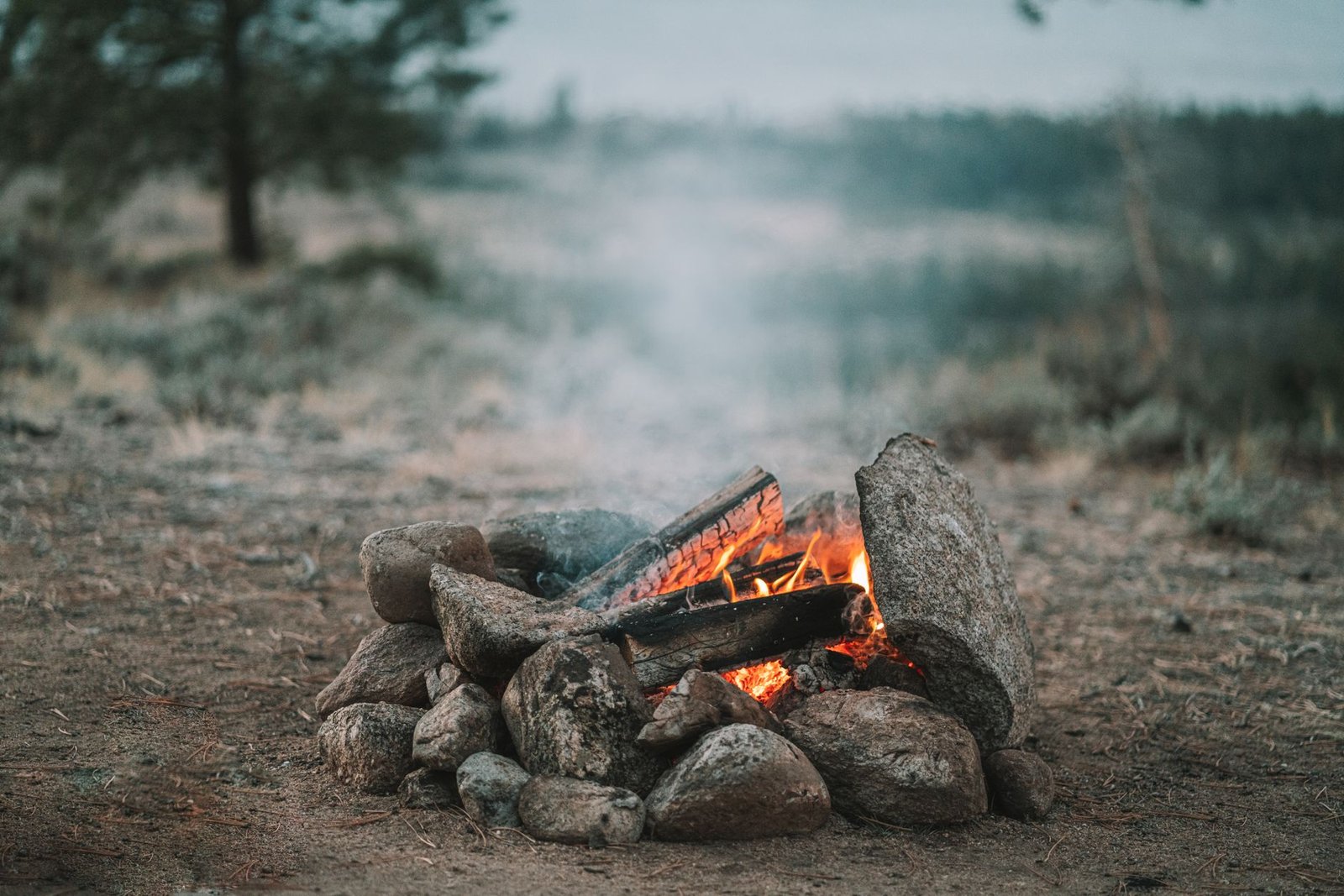
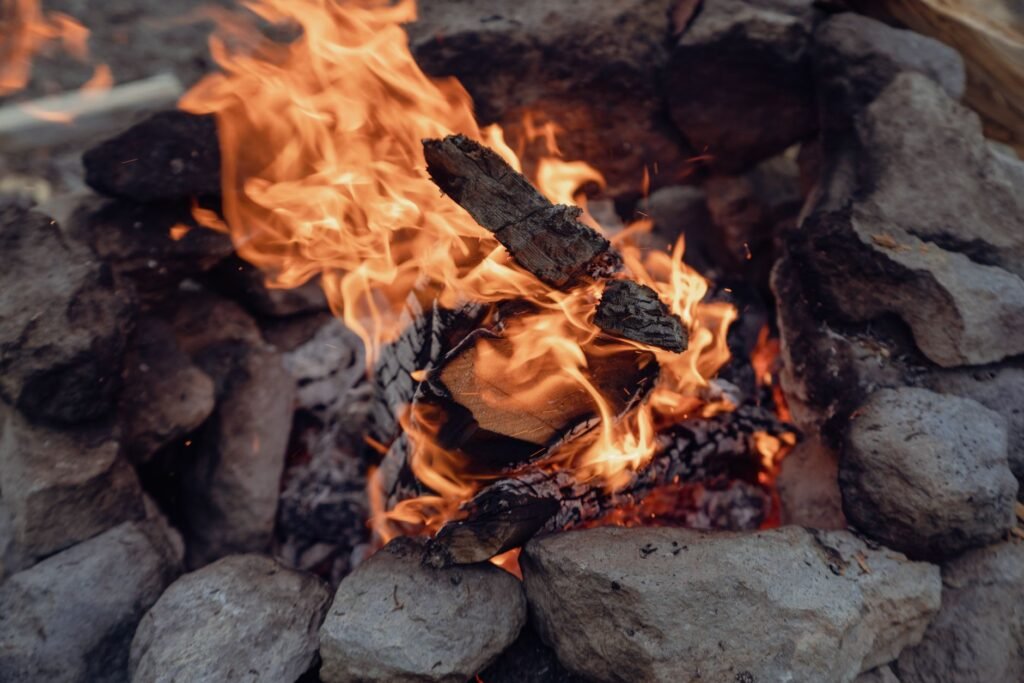
With late-summer dry spells becoming more common, wildfire prevention is a top priority in the new framework. The proposed rules place tight restrictions on wood campfires. Ground fires will only be permitted in pre-existing, designated rock or metal fire rings. If no ring is present, campers must use a lightweight backpacking stove or portable gas grill.
Furthermore, wood fires of any kind are completely banned above 2,500 feet of elevation. High-altitude environments feature incredibly slow-growing, fragile plant life and thin soils. Gathering firewood in these zones quickly strips the forest of vital organic matter and creates a severe safety risk for fast-moving wildfires that are incredibly difficult for emergency crews to access.
Why Vermont Is Updating Its Rules After 33 Years
The current framework governing Vermont’s state forests was drafted in 1993, long before the advent of social media geotagging, commercial overlanding, and the widespread popularity of van life. As documented in recent local environmental reports in Vermont, many popular backcountry destinations have suffered from severe overcrowding, illegal trash dumping, vegetation damage, and watershed contamination.
State land managers have noted that without enforceable, modern rules, protecting these resources from permanent degradation is nearly impossible. The 2026 updates are designed to balance conservation with public enjoyment, ensuring that these pristine lands remain open and healthy for future generations of outdoor enthusiasts.
State Lands Affected: Where Do the New Rules Apply?
It is important for campers to distinguish between different types of public land in Vermont, as these proposed rules do not apply universally to every forest or park. The upcoming FPR guidelines apply specifically to lands owned and managed by the State of Vermont, including:
- State Forests: Large tracts of managed forest land, such as Mount Mansfield State Forest and Groton State Forest.
- State Parks: While state parks generally require reservations at developed campgrounds, certain parks contain designated primitive wilderness zones managed under these rules.
- Wildlife Management Areas (WMAs): Areas managed primarily for wildlife habitat and hunting, where primitive camping is often highly restricted or permitted only in designated areas.
These state regulations do not apply to the Green Mountain National Forest, which is managed federally by the U.S. Forest Service and operates under its own distinct set of federal dispersed camping guidelines. Always check your exact coordinates before setting up camp to ensure you are complying with the correct local, state, or federal jurisdiction.
How to Prepare Your Gear for the New Regulations
Transitioning to more restrictive camping guidelines requires a minor shift in your packing habits and gear selection. To ensure you are fully compliant with the proposed 2026 rules, consider upgrading your gear list with the following essentials:
- A Reliable Camp Stove: Since ground fires are restricted, a dependable multi-fuel or canister backpacking stove is necessary for cooking and boiling water safely without relying on firewood.
- A High-Quality Trowel: Digging a proper 6-to-8-inch cathole in Vermont’s rocky, root-dense soil is difficult without a sturdy aluminum or titanium camp trowel.
- An Accurate GPS Tool: To stay compliant with the 100-foot setback from trails and water bodies, utilize a GPS mapping application to measure your distances accurately before pitching your tent.
- Off-Grid Waste Solutions: If you camp out of a vehicle or a trailer, having a fully self-contained system is key. You can explore how to optimize your rig by reading about a robust boondocking camper trailer setup designed to manage waste and power sustainably.
Comparing Regional Primitive Camping Guidelines
To help you see how Vermont’s proposed regulations align with neighboring states, the table below highlights the key differences in state-managed land camping across the Northeast:
| Rule Category | Vermont (Proposed 2026 Rules) | New York State (DEC Lands) | New Hampshire (State Forests) |
|---|---|---|---|
| Water Setback | 100 feet minimum | 150 feet minimum | 200 feet (varies by zone) |
| Trail Setback | 100 feet minimum | 150 feet minimum | 200 feet minimum |
| Max Stay Limit | 3 consecutive nights (single site) | 3 consecutive nights (without permit) | Limited to designated shelters/zones |
| High-Elevation Fires | Banned above 2,500 feet | Banned above 4,000 feet (Adirondacks) | Highly restricted/Stoves preferred |
| Human Waste | Cathole 200 feet from water/trail | Cathole 150 feet from water/trail | Cathole 200 feet from water/trail |
Following Leave No Trace in Vermont’s Backcountry
Regardless of specific legal setbacks, adhering to the core tenets of the Leave No Trace Center for Outdoor Ethics is the best way to protect Vermont’s wilderness. When you practice these principles, you directly reduce the need for further, more restrictive camping bans down the road.
Focus on packing out everything you bring in, including organic waste like apple cores and banana peels, which can take years to decompose in cold northern soils and can attract bears. Respect wildlife by keeping a safe distance, and always ensure your campsite is completely naturalized—meaning no rearranged rocks, constructed trenching, or cleared brush—before you head back to the trailhead.
Public Comment and Next Steps
Because these guidelines are currently in the formal proposal stage, public feedback is actively being sought. The Vermont Agency of Natural Resources and the FPR are holding public comment periods to gather input from hikers, campers, conservation groups, and local residents. If you want to share your perspective on the proposed setbacks, stay limits, or elevation bans, you can submit formal written comments directly through the official Vermont Agency of Natural Resources portal before the public review window closes.
Following the public comment period, the rules will undergo final legal reviews before being formally adopted into the state environmental code, with implementation anticipated for the upcoming camping seasons. Staying informed and involved ensures that public land policies remain fair, balanced, and sustainable for everyone who loves the outdoors.
Frequently Asked Questions
What is the proposed water setback under the new Vermont primitive camping rules?
Under the proposed 2026 rules, campers must pitch their tents or park their vehicles at least 100 feet away from all natural water bodies, including streams, rivers, ponds, and lakes.
Can I have a campfire while primitive camping in Vermont state forests?
Ground fires will only be allowed in pre-existing, designated rock or metal fire rings. If no ring is present, you must use a portable gas stove. Additionally, all wood fires are completely banned at elevations above 2,500 feet.
How long can I stay at a single primitive campsite under the new rules?
The proposed rules limit campers to a maximum of 3 consecutive nights in any single location, after which you must move your camp at least one mile away.
Do these new state rules apply to the Green Mountain National Forest?
No. These regulations apply strictly to Vermont state-owned lands, such as state forests and state parks. The Green Mountain National Forest is federally managed by the U.S. Forest Service and operates under federal dispersed camping rules.