Emergency Closure at St. Mary Campground: What You Need to Know
Glacier National Park officials issued an emergency restriction on August 23, 2026, banning all tent camping and soft-sided shelters at the St. Mary Campground. This sudden operational shift is a direct response to a significant increase in grizzly bear activity within and directly adjacent to the campground loops. To ensure visitor safety and prevent bears from obtaining human food rewards, the National Park Service (NPS) has declared that the campground will operate strictly under “hard-sided camping only” protocols until further notice.
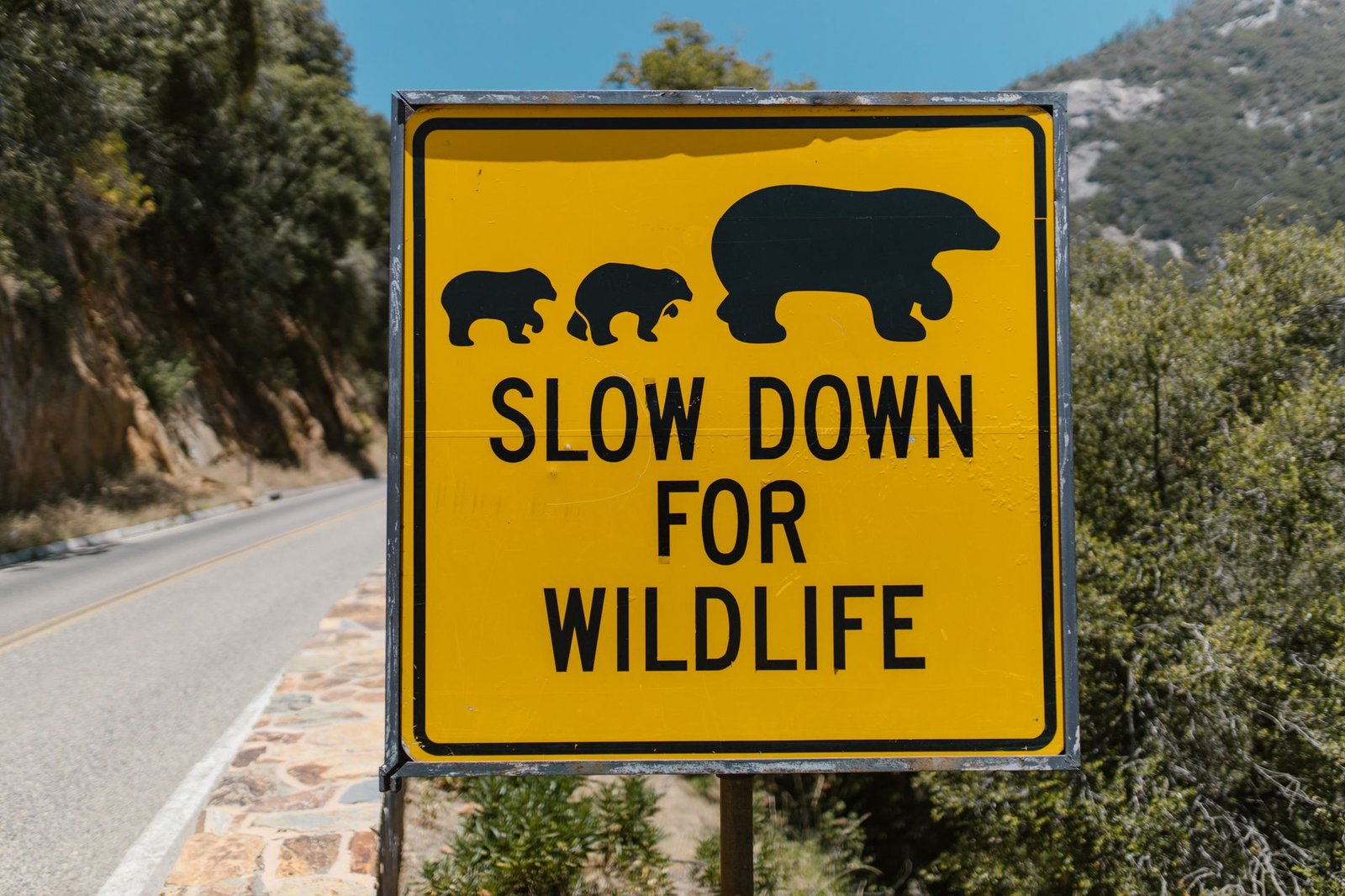
For campers holding reservations or planning a late-summer excursion to the Crown of the Continent, this closure requires immediate itinerary adjustments. While hard-sided RVs and travel trailers are still permitted, ground tents, pop-up campers, hammock setups, and rooftop tents are completely banned. Understanding the ecological drivers behind this closure and mastering NPS Glacier National Park Bear Safety guidelines is vital for anyone traveling through this active grizzly habitat.
What Does “Hard-Sided Camping Only” Mean?
The distinction between hard-sided and soft-sided camping structures is a critical component of national park safety enforcement. Under Glacier National Park rules, a hard-sided vehicle is defined as a structure constructed entirely of rigid, solid materials such as aluminum, molded fiberglass, steel, or hard plastics. This includes standard travel trailers, motorhomes, fifth wheels, and truck campers with solid, non-collapsible walls.
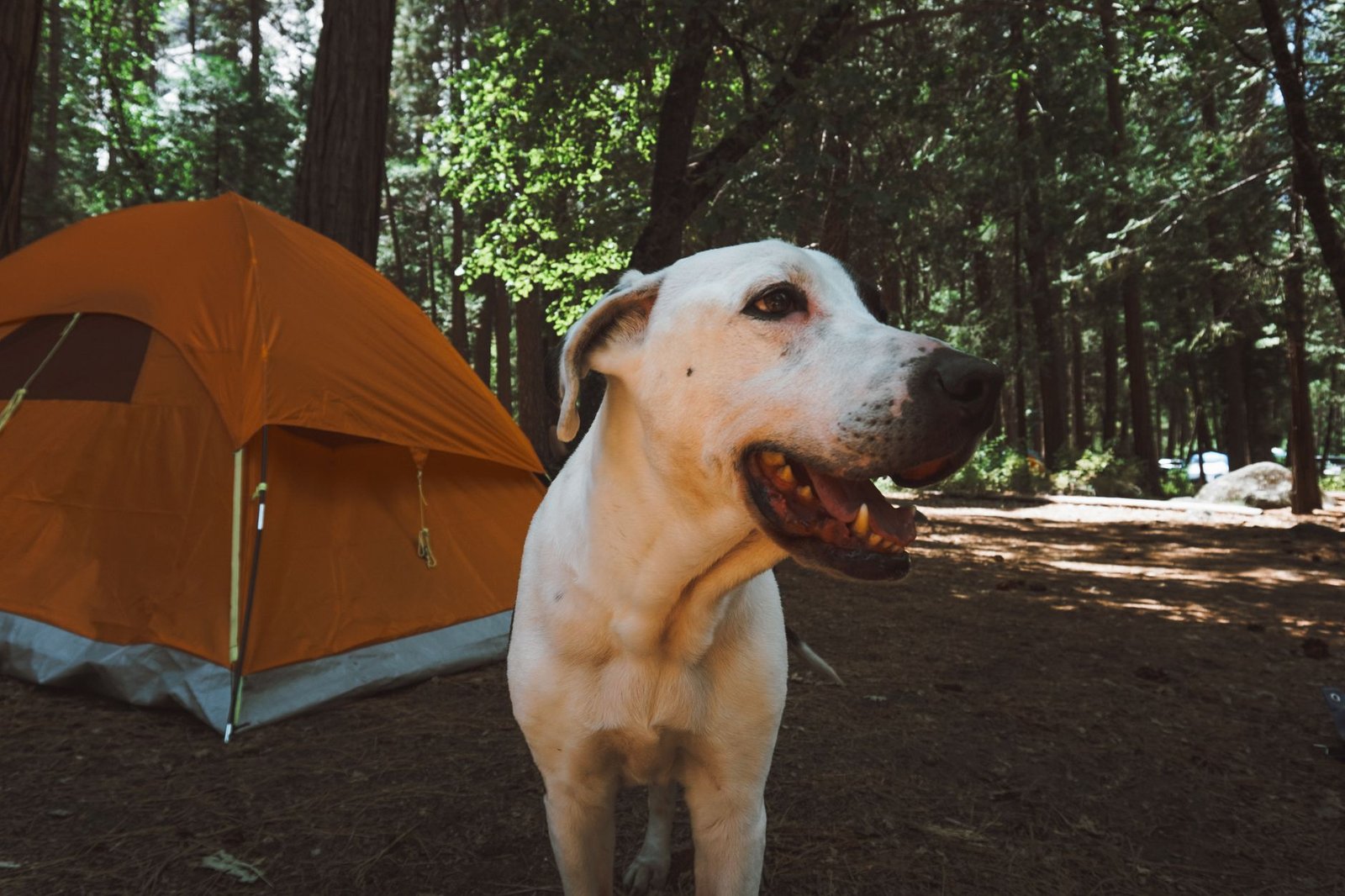
Conversely, soft-sided structures offer virtually zero physical barrier against a determined grizzly bear. If your shelter contains any fabric, canvas, or screen panels, it is classified as soft-sided. The following types of camping equipment are strictly prohibited at St. Mary Campground during this restriction:
- Ground Tents and Hammocks: Traditional nylon, polyester, or canvas ground tents of all sizes, along with open-air hammock sleep systems.
- Pop-up Tent Trailers: Pull-behind trailers that feature collapsible fabric or canvas slide-outs and pop-tops.
- Rooftop Tents: Vehicle-mounted tents with fabric walls, regardless of how high off the ground they are positioned.
- Hybrid Travel Trailers: Hard-sided travel trailers that feature fold-out fabric bed sections.
A bear’s sense of smell is roughly seven times stronger than a bloodhound’s. Canvas and nylon walls cannot contain food odors, nor can they withstand the physical force of a 600-pound grizzly bear seeking an easy meal. Hard-sided RVs provide a secure physical envelope that keeps both your scent footprint minimized and your physical space protected.
The Science Behind the Surge: Bear Hyperphagia and Buffaloberries
The timing of this emergency closure is directly tied to a biological phenomenon known as hyperphagia. As late summer transitions into early autumn, grizzly bears and black bears enter a stage of intense, near-continuous eating to store fat reserves required for their winter hibernation. During hyperphagia, a grizzly bear must consume up to 20,000 calories per day, which requires foraging for up to 20 hours daily.
The St. Mary valley is a primary wildlife corridor rich in natural bear foods. The area surrounding the campground is heavily populated with buffaloberries (Shepherdia canadensis) and huckleberries. When these berry crops ripen in late August, bears migrate down from higher elevations into the valley bottoms, bringing them into direct proximity with campground loops. The proximity to the St. Mary River further increases the likelihood of wildlife movement through public camping areas.
When natural foraging patterns overlap with human campgrounds, the risk of food conditioning skyrockets. If a bear accesses even a single improperly stored item—such as a discarded wrapper, a dog food bowl, or a greasy camp stove—it can become habituated to human presence. Habituated bears lose their natural fear of humans, pose a severe threat to public safety, and almost always face euthanization by wildlife managers. The hard-sided restriction is designed as much to protect Glacier’s grizzly population as it is to protect the visitors.
Essential Glacier National Park Bear Safety Rules
Navigating Glacier National Park safely requires strict adherence to federal food storage regulations. Whether you are staying in a hard-sided RV at St. Mary or hiking the high-line trail, these protocols are legally enforced. Violations can result in hefty fines, campsite evictions, or even federal misdemeanor charges.
1. Strict Food Storage and Attractant Protocols
Any item with an odor, regardless of how faint, is considered a bear attractant. This goes far beyond leftover food. All attractants must be locked securely inside an approved bear-resistant storage locker (provided at park campsites) or within a hard-sided vehicle. Never leave these items unattended for even a single minute:
- Food and Drinks: This includes all fresh, canned, packaged, or freeze-dried food, along with water bottles, soda cans, beer, and condiments.
- Cooking Gear: Portable stoves, fuel canisters, pots, pans, plates, utensils, and grease traps must be washed and locked away immediately after use.
- Toiletries and Cosmetics: Toothpaste, deodorant, soap, sunscreen, lip balm, insect repellent, and medications carry strong chemical scents that attract bears.
- Pet Supplies: Pet food bowls, treats, and toys must never be left outside. Store pet food with the same level of security as human food.
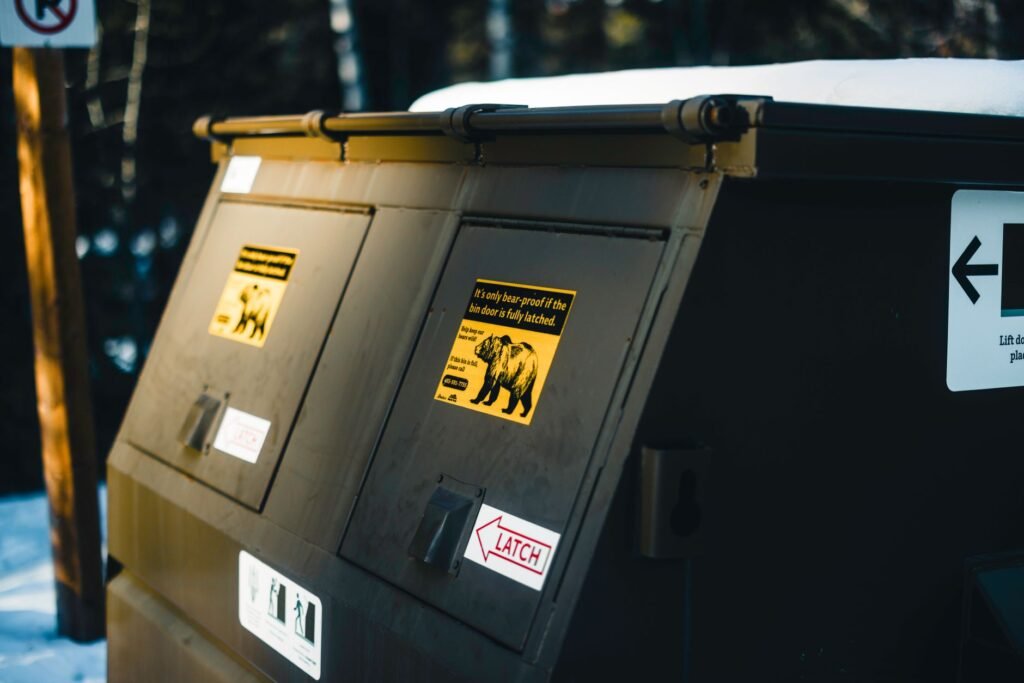
- Garbage and Recyclables: All trash must be disposed of immediately in the park’s heavy-duty, bear-proof dumpsters. Never keep trash in your tent, on your picnic table, or in the back of an open pickup truck.
2. Carrying and Deploying Bear Spray
Bear spray is your primary non-lethal defense mechanism and should be carried by every single person in Glacier National Park. It is a highly concentrated capsaicin formula that creates an intense cloud of irritation in the bear’s eyes, nose, and lungs, allowing you time to escape. However, it is only effective if carried and used correctly:
- Keep it Accessible: Do not pack your bear spray inside your backpack or stow it in an RV cabinet. It must be worn on your hip holster or chest harness where it can be drawn in under two seconds.
- Understand the Range: Most EPA-approved bear sprays have an effective range of 25 to 30 feet. Always check the expiration date on your canister before heading out.
- Deploy in a Defensive Cloud: If a bear charges, aim slightly downward in front of the animal and depress the trigger in one- to two-second bursts to create a dense wall of spray that the bear must run through.
3. Hiking Safely in Grizzly Territory
Surprise encounters are the leading cause of bear attacks in Western Montana. When hitting Glacier’s trails, take active measures to ensure you do not startle a resting or foraging bear:
- Make Loud Noises: Call out periodically, clap your hands, and sing. Do not rely on “bear bells,” which are largely ineffective and do not carry far in windy conditions. Use your voice, especially near rushing streams, dense brush, or blind corners.
- Hike in Groups: Traveling in groups of four or more significantly reduces the likelihood of an aggressive bear encounter. Keep children in the middle of the group and never let them wander ahead.
- Watch for Bear Sign: Stay alert for fresh bear scat, overturned rocks, torn-apart rotting logs, claw marks on tree trunks, and dig sites along the trail. If you spot fresh signs, turn back or choose an alternative route.
How to Pivot Your Glacier Camping Trip
If you are a tent camper displaced by the St. Mary closure, you must act quickly to secure alternative accommodations. August is prime tourist season, and area lodging fills up months in advance. Utilize the official Glacier National Park Conditions and Alerts portal to check real-time availability across the park.
Inside the Park Options
While St. Mary is restricted, other campgrounds within Glacier may still accommodate tent campers, depending on their current status. Campgrounds on the west side of the park, such as Apgar and Fish Creek, generally experience fewer sudden grizzly-related tent closures than those on the east side, though black bear activity remains common. Always check the daily status before driving to these locations, as sites are highly competitive.
Exploring Public Lands Outside the Park
The surrounding Flathead National Forest offers excellent camping alternatives for those willing to camp just outside park boundaries. Dispersed camping (boondocking) on Forest Service land is a viable and highly scenic option. However, remember that national forest land is also prime grizzly habitat. If you choose to camp outside the formal national park boundaries, make sure you are fully compliant with the 2026 Boondocking Rules and Regulations to ensure you are setting up legally and safely.
Managing Your Vehicle and Setup
If you plan to transition to a hard-sided travel trailer or RV to bypass the St. Mary restrictions, keep in mind that vehicle dimensions are tightly regulated. Glacier’s historic mountain passes and older campground loops cannot accommodate oversized rigs. Before booking or renting a hard-sided trailer, review the updated National Park RV Size Restrictions to ensure your tow vehicle and trailer combo can safely navigate the park’s narrow roads and tight campsites.
Campground Restriction and Safety Comparison
To help you navigate the different rules across Glacier National Park’s popular camping hubs, refer to the comparison table below. Bear in mind that these conditions can change rapidly based on daily wildlife activity reports.
| Campground Name | Location | Tent Camping Allowed? | Hard-Sided RVs Allowed? | Bear Lockers On-Site? | Key Wildlife Factor |
|---|---|---|---|---|---|
| St. Mary | East Side | No (Current Emergency Ban) | Yes (Under 40 feet) | Yes | High grizzly corridor near river; heavy buffaloberry crops. |
| Many Glacier | East Side | Subject to seasonal closures | Yes (Under 35 feet) | Yes | Extremely high concentration of active grizzly bears. |
| Apgar | West Side | Yes | Yes (Under 40 feet) | Yes | High human activity; frequent black bear sightings. |
| Fish Creek | West Side | Yes | Yes (Under 35 feet) | Yes | Dense forest cover; moderate black and grizzly bear presence. |
| Flathead NF (Dispersed) | Outside Park | Yes (Requires bear canisters) | Yes (Varies by forest road) | No (Must bring your own) | Unmanaged wilderness; active grizzly territory. |
Grizzly vs. Black Bear: Crucial Identification Rules
Knowing how to identify the species of bear you encounter is critical, as survival strategies differ depending on the bear. Glacier National Park is one of the few places in the lower 48 states where both grizzly bears (Ursus arctos horribilis) and black bears (Ursus americanus) coexist in high numbers. Color is not a reliable indicator of species; both black bears and grizzlies can range from blonde to deep brown or black.
To properly differentiate between the two species, consult the guidelines recognized by the Interagency Grizzly Bear Committee (IGBC):
- The Shoulder Hump: Grizzlies possess a prominent, muscular hump of muscle on their shoulders, which is visible even when they are walking. Black bears do not have this shoulder hump.
- The Rump: A black bear’s rump is higher than its shoulders when standing on all fours. A grizzly’s shoulders are higher than its rump.
- Facial Profile: Grizzlies have a distinct concave or “dished-in” facial profile extending from the eyes to the snout. Black bears have a straight, flat profile.
- Ear Shape: Grizzly ears are short, rounded, and set far apart. Black bear ears are taller, more pointed, and stand more upright.
- Claw Length: Grizzly claws are long (two to four inches) and gently curved, often visible from a distance. Black bear claws are short (under two inches) and sharply curved for tree climbing.
Survival Strategy by Species
If a bear encounters you at close range and displays aggressive behavior, your response must be calculated. First, deploy your bear spray. If the spray fails to deter the bear and physical contact is made, apply the correct defense strategy:
- If Attacked by a Grizzly: Play dead. Lie flat on your stomach and clasp your hands behind your neck to protect your spine. Spread your legs wide to make it harder for the bear to flip you over. Keep your backpack on to act as a shield. Remain completely still and quiet until you are absolutely certain the bear has left the area.
- If Attacked by a Black Bear: Do not play dead. Black bear attacks are highly predatory. Fight back aggressively with any tool available. Focus blows on the bear’s nose, eyes, and face. Use rocks, sticks, or your boots to deter the animal.
In any bear encounter, never run. Running instantly triggers a bear’s predatory chase instinct. Even a large grizzly can run at speeds exceeding 35 miles per hour—far faster than any human. Stand your ground, speak in a firm, low voice, prepare your bear spray, and slowly back away only if the bear is stationary.
Protecting the Wild for Future Generations
The emergency hard-sided camping restriction at St. Mary Campground is a reminder of the wild nature of our national parks. While tent closure rules disrupt vacation plans, they prevent tragic wildlife encounters and protect these magnificent carnivores from human-caused habituation. By respecting the temporary closures, storing food meticulously, carrying bear spray properly, and educating ourselves on species identification, we can co-exist safely within the grizzly’s home.
Frequently Asked Questions
Why is St. Mary Campground closed to tent camping?
St. Mary Campground is closed to tents and soft-sided shelters due to heightened grizzly bear activity in the campground loops. The bears are drawn to the valley corridor by ripening buffaloberries during hyperphagia, their pre-hibernation feeding cycle.
Can I camp at St. Mary in a rooftop tent or a pop-up camper?
No. Rooftop tents and pop-up campers have soft fabric or canvas walls and are classified as soft-sided shelters. They are strictly banned during this emergency restriction. Only fully hard-sided RVs, travel trailers, and truck campers are allowed.
What should I do if my tent camping reservation at St. Mary is canceled?
You should check real-time campsite availability on the west side of Glacier National Park (such as Apgar or Fish Creek) or look for dispersed camping options in the neighboring Flathead National Forest. Private campgrounds outside the park are also good alternatives.
How do I use bear spray during an encounter?
Keep bear spray in an accessible holster on your hip or chest. If a bear charges, draw the canister, remove the safety clip, and deploy the spray downward in front of the animal in 1- to 2-second bursts when the bear is within 30 feet, creating an irritating capsaicin barrier.
Is food storage inside a hard-sided RV safe from bears?
Yes. Storing food, cooking gear, and toiletries inside a locked, hard-sided RV with the windows closed is considered secure under Glacier National Park regulations. Never leave food or trash outside the vehicle, even for a few minutes.