The Evolution of Trailer Braking: Why 2026 is the Year for Discs
For decades, the travel trailer and fifth wheel industry relied almost exclusively on electric drum brakes. While these systems are cost-effective and relatively simple, they represent a technology that has largely remained unchanged since the mid-20th century. As we move through 2026, the demand for higher safety standards and better performance has pushed the Trailer Disc Brake Conversion from a luxury upgrade to a near-essential modification for heavy-haulers. This shift is driven by the reality of modern towing: heavier rigs, higher speed limits, and the need for precision braking that matches the capabilities of 2026 tow vehicles.
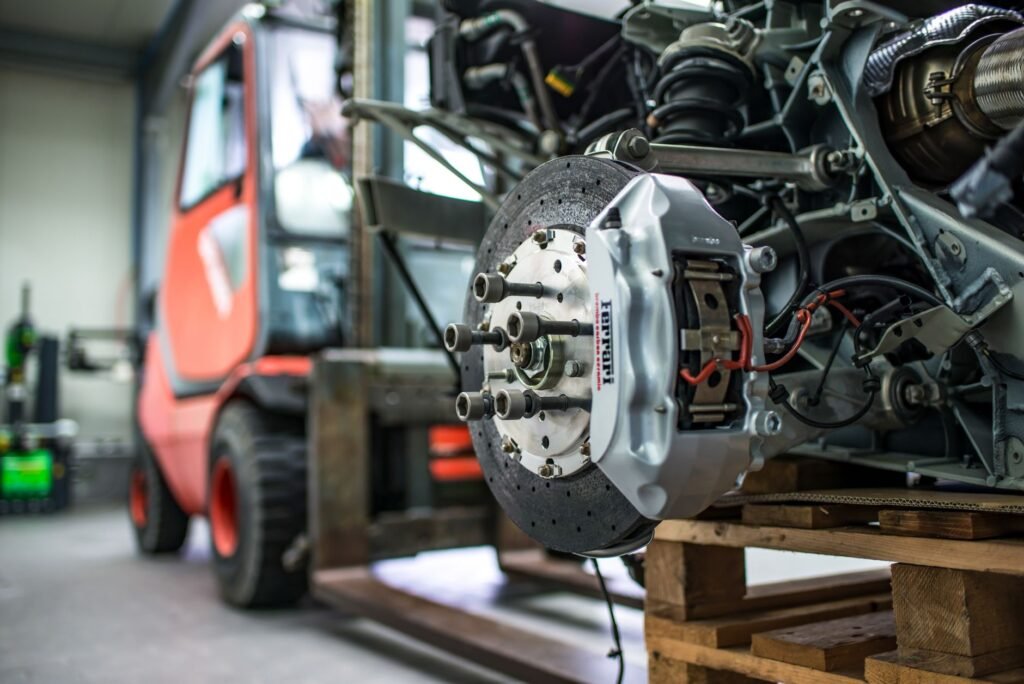
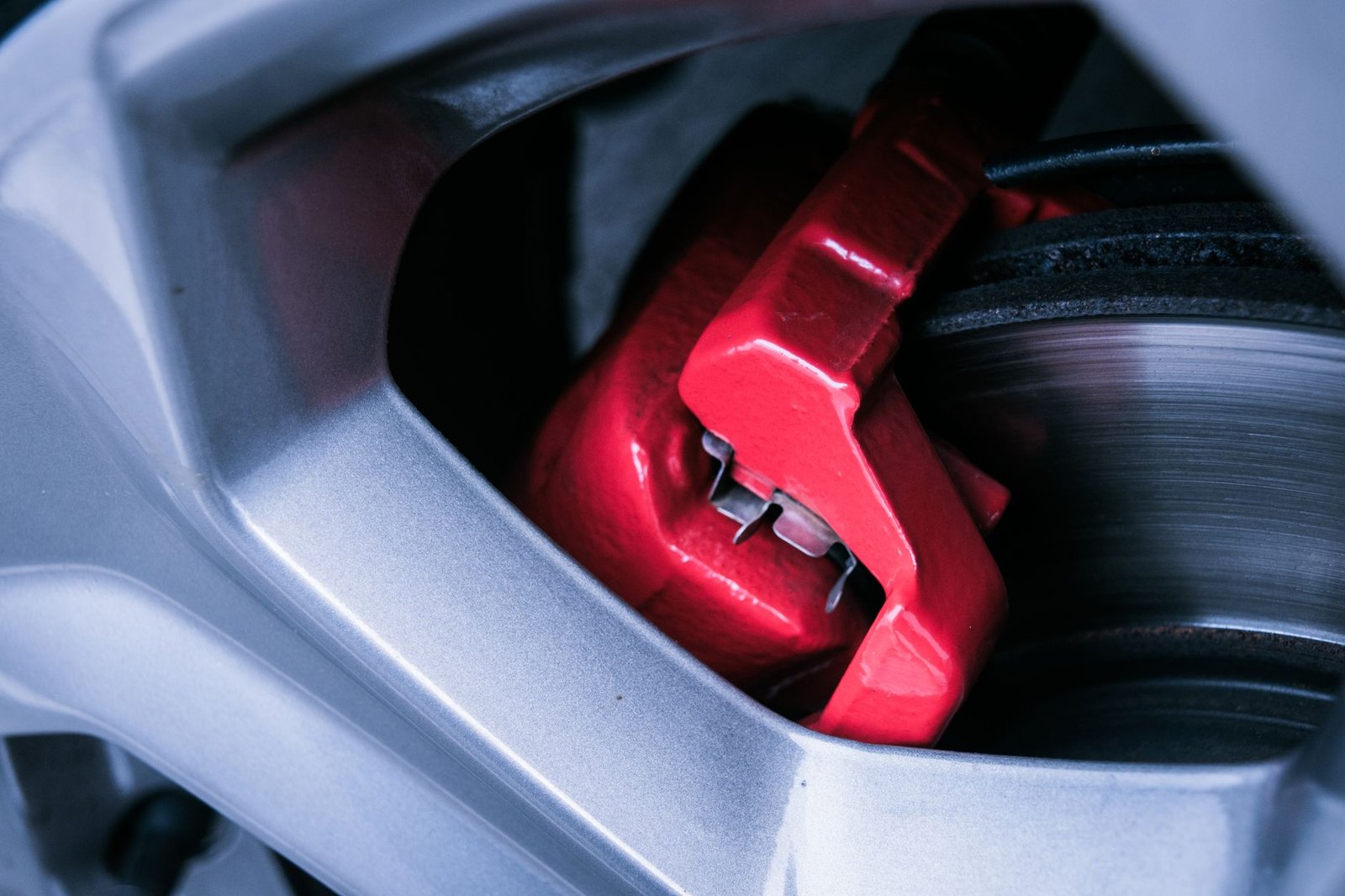
The core issue with traditional drum brakes is their reliance on electromagnetism to pull a lever that pushes brake shoes against a drum. This design is highly susceptible to heat. On a long descent, the drum expands as it gets hot, moving the braking surface further away from the shoes. This leads to what towers call “brake fade,” where the pedal feels firm but the trailer continues to push the truck. Disc brakes, by contrast, use a hydraulic piston to clamp pads onto a spinning rotor. This design is self-cooling and provides consistent friction regardless of temperature, a critical factor highlighted in our 2026 Mountain Towing Guide.
The Physics of Stopping: Drum vs. Disc Performance
To understand the value of a conversion, one must look at the stopping distances. Independent testing in early 2026 suggests that a fifth wheel weighing 15,000 lbs can see a reduction in stopping distance of up to 40% when switching from electric drums to hydraulic discs. At 60 miles per hour, that can be the difference between a controlled stop and a catastrophic rear-end collision.
| Feature | Electric Drum Brakes | Hydraulic Disc Brakes |
|---|---|---|
| Actuation Type | Electromagnet/Mechanical | Hydraulic over Electric (EOH) |
| Heat Management | Poor (Internal Drum) | Excellent (Exposed Rotor) |
| Maintenance Frequency | High (Manual Adjustments) | Low (Self-Adjusting) |
| Stopping Power | Standard/Adequate | Superior/Premium |
Understanding the Hydraulic-over-Electric (EOH) System
The biggest hurdle for many owners considering a Trailer Disc Brake Conversion is understanding how the trailer brakes talk to the truck. Since modern trucks send an electric signal, you cannot simply bolt on car brakes. You need an EOH actuator. This device sits on the trailer tongue or in the front compartment of a fifth wheel. It receives the electric signal from your truck’s brake controller and converts it into high-pressure hydraulic fluid (typically 1,000 to 1,600 PSI) to activate the calipers.
In 2026, these actuators have become significantly more advanced. Brands like Dexter Axle and Lippert have released “smart actuators” that offer faster response times—eliminating the half-second delay that used to plague older EOH systems. This responsiveness is vital during emergency maneuvers. However, users must ensure their tow vehicle is compatible. If you are driving a vehicle impacted by the 2026 Ford Trailer Brake Recall, it is imperative to have the software update performed before installing a high-pressure EOH system, as the computer must correctly recognize the different electrical load of an actuator versus an electromagnet.
Key Components of a Conversion Kit
- Hydraulic Actuator: The pump that generates the braking force.
- Brake Lines: Usually a combination of flexible rubber hoses and rigid steel or nickel-copper lines.
- Rotor and Hub Assemblies: The spinning discs that replace your existing drums.
- Calipers and Pads: The hardware that provides the actual clamping force.
- Mounting Brackets: Hardware to secure the calipers to your existing axle flanges.
Step-by-Step Conversion: What to Expect
A Trailer Disc Brake Conversion is a labor-intensive project that can be tackled by a competent DIYer or a professional shop. The process begins with the removal of the old drum assemblies. This is an excellent time to inspect your spindles and perform the tasks found in our wheel bearing service guide. Once the drums and backing plates are removed, the new mounting brackets are bolted to the axle flange.
The next phase involves plumbing. Unlike electric wires, hydraulic lines must be carefully routed to avoid kinks and heat sources. Most 2026 kits utilize a “main run” of steel line along the frame with “T-junctions” leading to flexible hoses at each wheel. The flexible hoses allow the suspension to move without snapping the lines. After the lines are run, the system must be bled. This is a two-person job: one to operate the brake controller (or the manual override) to engage the pump, and another to open the bleeder valves at each caliper until all air is removed from the system.
Tuning the Brake Controller for Disc Success
Once the hardware is installed, the work isn’t done. You must calibrate your truck’s integrated brake controller. Most trucks from 2024 to 2026 have a menu setting for “Brake Type.” You must switch this from “Electric” to “EOH” (Electric over Hydraulic). This setting changes the way the truck sends current to the trailer; hydraulic pumps require a different initial voltage surge to get the pump spinning compared to the steady ramp-up used for magnets. Failure to change this setting can lead to jerky braking or a “laggy” feeling where the trailer brakes don’t bite until you are already deep into the pedal stroke.
Cost-Benefit Analysis: Is It Worth the Investment?
As of August 2026, the cost of a full Trailer Disc Brake Conversion kit for a tandem-axle trailer typically ranges from $1,800 to $2,800 in parts alone. If you hire a professional shop, labor can add another $800 to $1,500. While this is significantly more expensive than a simple drum brake service (which might cost $400), the long-term ROI is found in safety and maintenance savings.
Disc brake pads are much easier to change than drum shoes and are often based on common automotive parts (such as those from a GMC 2500 or Dodge Ram 1500), making them easy to find at any local auto parts store while on the road. Furthermore, disc brakes do not require the manual “star-wheel” adjustments that drums need every 3,000 miles. For full-time RVers or those who frequently travel in mountainous regions, the peace of mind offered by superior stopping power is often considered priceless.
Safety organizations, including the NHTSA, have noted that as trailers get larger and heavier, the mechanical limits of drum brakes are being reached. Investing in a disc conversion is not just about performance; it’s about future-proofing your rig for the road conditions of the next decade.
2026 Conversion Checklist
- Verify axle rating (usually 3,500lb, 5,200lb, 6,000lb, 7,000lb, or 8,000lb) to ensure kit compatibility.
- Check wheel clearance; some disc rotors require 15-inch or larger wheels to clear the caliper.
- Confirm the tow vehicle’s integrated brake controller supports EOH mode.
- Choose between a 1,000 PSI actuator (standard) or a 1,600 PSI actuator (heavy duty).
- Replace all inner and outer bearings and seals during the installation.
Final Thoughts on the Disc Brake Revolution
The transition to disc brakes represents one of the most significant upgrades an owner can make to their trailer. In 2026, the technology has reached a point of high reliability and ease of installation. Whether you are towing a brand-new luxury fifth wheel or refurbishing an older travel trailer, the move to hydraulic-over-electric braking ensures that your rig stops as surely as it goes. By following this 2026 Trailer Disc Brake Conversion Guide, you can significantly reduce your risk on the road and enjoy a smoother, more confident towing experience across any terrain.
Frequently Asked Questions
Can I use my factory truck brake controller with disc brakes?
Yes, most modern trucks (2015 and newer) have a setting in the dashboard menu to switch the trailer brake type from ‘Electric’ to ‘Electric-over-Hydraulic’ (EOH). You must enable this for disc brakes to work correctly.
How much does a trailer disc brake conversion cost in 2026?
Expect to pay between $1,800 and $2,800 for parts. Professional installation typically adds another $800 to $1,500 depending on the complexity of the trailer’s frame and plumbing.
What is the biggest benefit of disc brakes over drum brakes?
The primary benefit is significantly shorter stopping distances (up to 40% better) and the virtual elimination of brake fade on long downhill grades due to better heat dissipation.