Trailer Towing and Weight Calculations: Why They Matter More Than You Think
Whether you’re towing a utility trailer, travel trailer, boat, horse trailer, or equipment, understanding trailer towing and weight calculations is the difference between a safe journey and a dangerous one. Many towing accidents happen because drivers overload their vehicle, exceed trailer limits, or distribute weight incorrectly. Fortunately, once you understand a few essential weight ratings and calculations, towing becomes much safer and much more predictable.
This guide explains every important towing weight, shows you how to calculate them correctly, and shares practical tips that help protect your vehicle, trailer, passengers, and everyone else on the road.
What Is Trailer Towing and Weight Calculations?
Trailer towing and weight calculations refer to measuring and comparing your vehicle’s towing limits with the actual weight of your trailer and cargo.
These calculations ensure that:
- Your tow vehicle is not overloaded.
- Your trailer remains stable.
- Braking distance stays within safe limits.
- Suspension and tires operate correctly.
- Transmission and engine are not overworked.
- You remain within manufacturer safety specifications.
Skipping these calculations can lead to trailer sway, brake failure, tire blowouts, transmission damage, and loss of vehicle control.
Why Weight Calculations Are Essential
Many drivers assume that if a trailer physically attaches to the hitch, it’s safe to tow.
That assumption is often wrong.
Proper weight calculations help prevent:
- Trailer sway
- Hitch failure
- Tire overheating
- Brake overheating
- Poor steering response
- Suspension damage
- Increased stopping distance
- Insurance complications after accidents
Even experienced trailer owners check their weights before long trips.
Important Trailer Weight Terms You Must Know
Understanding these terms makes towing much easier.
| Term | Meaning |
|---|---|
| GVWR | Maximum safe weight of the vehicle including passengers and cargo |
| GTW | Gross Trailer Weight (actual trailer weight) |
| GCWR | Maximum combined weight of vehicle and trailer |
| Payload | Maximum weight the vehicle can carry |
| Tongue Weight | Downward force applied to the hitch |
| Curb Weight | Weight of the empty vehicle with fluids |
| Dry Weight | Trailer weight before cargo, water, fuel, or equipment |
| Axle Rating (GAWR) | Maximum weight each axle can safely support |
Knowing these numbers allows you to tow confidently instead of guessing.
Understanding Towing Capacity
Every vehicle has a maximum towing capacity established by its manufacturer.
This limit depends on:
- Engine size
- Transmission
- Suspension
- Cooling system
- Brakes
- Frame strength
- Differential ratio
Never exceed the listed towing capacity.
Even if the vehicle appears capable of moving a heavier trailer, exceeding the manufacturer’s limits increases wear and significantly reduces safety.
How to Find Your Vehicle’s Towing Limits
You can find towing information in several places:
- Owner’s manual
- Driver’s door sticker
- Manufacturer website
- VIN lookup
- Dealer specifications
Always verify the specifications for your exact trim level because towing capacity often changes between different engine and drivetrain options.
Trailer Weight vs Dry Weight
One common mistake is relying only on dry weight.
Dry weight includes:
- Empty trailer
- Factory-installed equipment
It usually does not include:
- Water
- Batteries
- Propane
- Camping gear
- Food
- Tools
- Personal belongings
Your real trailer weight is almost always much higher than the advertised dry weight.
How to Calculate Actual Trailer Weight
The safest method is using a certified public scale.
Formula:
Actual Trailer Weight = Empty Trailer + Cargo + Water + Fuel + Accessories
Example:
| Item | Weight |
|---|---|
| Empty trailer | 3,500 lbs |
| Camping gear | 450 lbs |
| Water tank | 320 lbs |
| Propane | 70 lbs |
| Food | 140 lbs |
| Bikes | 120 lbs |
Total Trailer Weight = 4,600 lbs
This is the number you compare with your towing capacity.
Understanding Tongue Weight
Tongue weight is the downward pressure that the trailer places on the hitch.
Ideal tongue weight should be approximately:
10%–15% of total trailer weight
Example:
Trailer weight:
5,000 lbs
Recommended tongue weight:
500–750 lbs
Too little tongue weight increases trailer sway.
Too much tongue weight overloads the rear suspension and reduces steering control.
Payload Matters Too
Many people focus only on towing capacity and ignore payload.
Payload includes:
- Driver
- Passengers
- Cargo inside the vehicle
- Hitch equipment
- Tongue weight
Example:
Vehicle payload capacity:
1,450 lbs
Passengers:
550 lbs
Cargo:
300 lbs
Tongue weight:
650 lbs
Total payload used:
1,500 lbs
Even if towing capacity is acceptable, the payload limit has already been exceeded.
Gross Combined Weight Rating (GCWR)
GCWR is the maximum safe weight of:
Tow vehicle
Trailer
Passengers
Cargo
Everything combined must stay below this limit.
Ignoring GCWR can overload the drivetrain and significantly reduce braking performance.
How to Perform Trailer Towing and Weight Calculations
Follow these simple steps before every major trip.
Step 1
Find your vehicle’s:
- Towing capacity
- Payload
- GVWR
- GCWR
Step 2
Determine the trailer’s actual loaded weight.
Step 3
Calculate tongue weight.
Step 4
Add passengers and cargo inside the tow vehicle.
Step 5
Compare all numbers with the manufacturer’s limits.
If every value remains below its rating, you’re towing within the designed safety limits.
Common Weight Calculation Mistakes
Many towing problems come from avoidable errors.
These include:
- Using dry weight instead of loaded weight
- Forgetting passenger weight
- Ignoring water tank weight
- Forgetting propane cylinders
- Exceeding payload
- Uneven cargo distribution
- Incorrect hitch selection
- Overloaded rear axle
Avoiding these mistakes dramatically improves towing safety.
Weight Distribution Is Just as Important
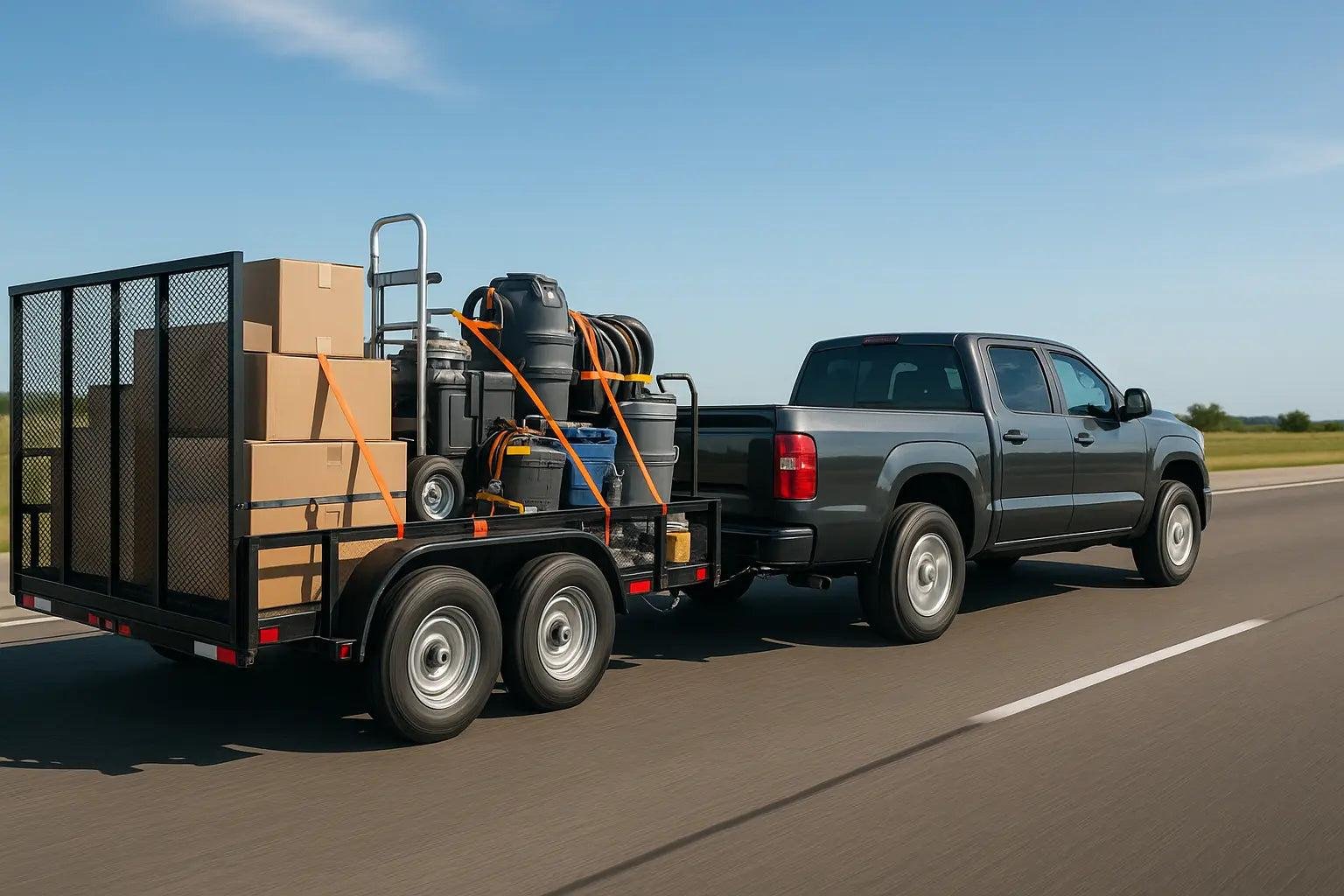
Proper cargo placement affects trailer stability.
Good practices include:
- Keep heavy items low.
- Place heavy cargo near the trailer axle.
- Secure everything tightly.
- Avoid excessive rear loading.
- Balance left and right sides evenly.
Poor weight distribution often causes trailer sway at highway speeds.
Should You Use a Weight Distribution Hitch?
A weight distribution hitch transfers part of the tongue weight to the front axle of the tow vehicle.
Benefits include:
- Improved steering
- Better braking
- Reduced trailer sway
- Better tire wear
- Improved suspension performance
- Increased stability
Many manufacturers recommend one for heavier travel trailers.
Trailer Brake Requirements
As trailer weight increases, trailer brakes become increasingly important.
Electric trailer brakes improve:
- Stopping distance
- Emergency braking
- Control on downhill roads
- Vehicle stability
Many regions legally require trailer brakes above certain weight thresholds, so always verify local regulations before towing.
Tire Ratings Matter
Trailer tires have maximum:
- Load rating
- Inflation pressure
- Speed rating
Never exceed any tire rating.
Always inspect:
- Tire pressure
- Sidewall condition
- Tread wear
- Manufacturing date
Old trailer tires may fail even when they still have good tread.
Real-World Example
Suppose your SUV has:
| Specification | Rating |
|---|---|
| Tow capacity | 6,000 lbs |
| Payload | 1,500 lbs |
| GCWR | 11,000 lbs |
Loaded trailer:
5,200 lbs
Tongue weight:
620 lbs
Passengers:
420 lbs
Cargo:
300 lbs
Payload used:
620 + 420 + 300 = 1,340 lbs
This remains below the 1,500 lb payload rating.
Combined vehicle and trailer weight also remains below GCWR, making this a safe towing setup.
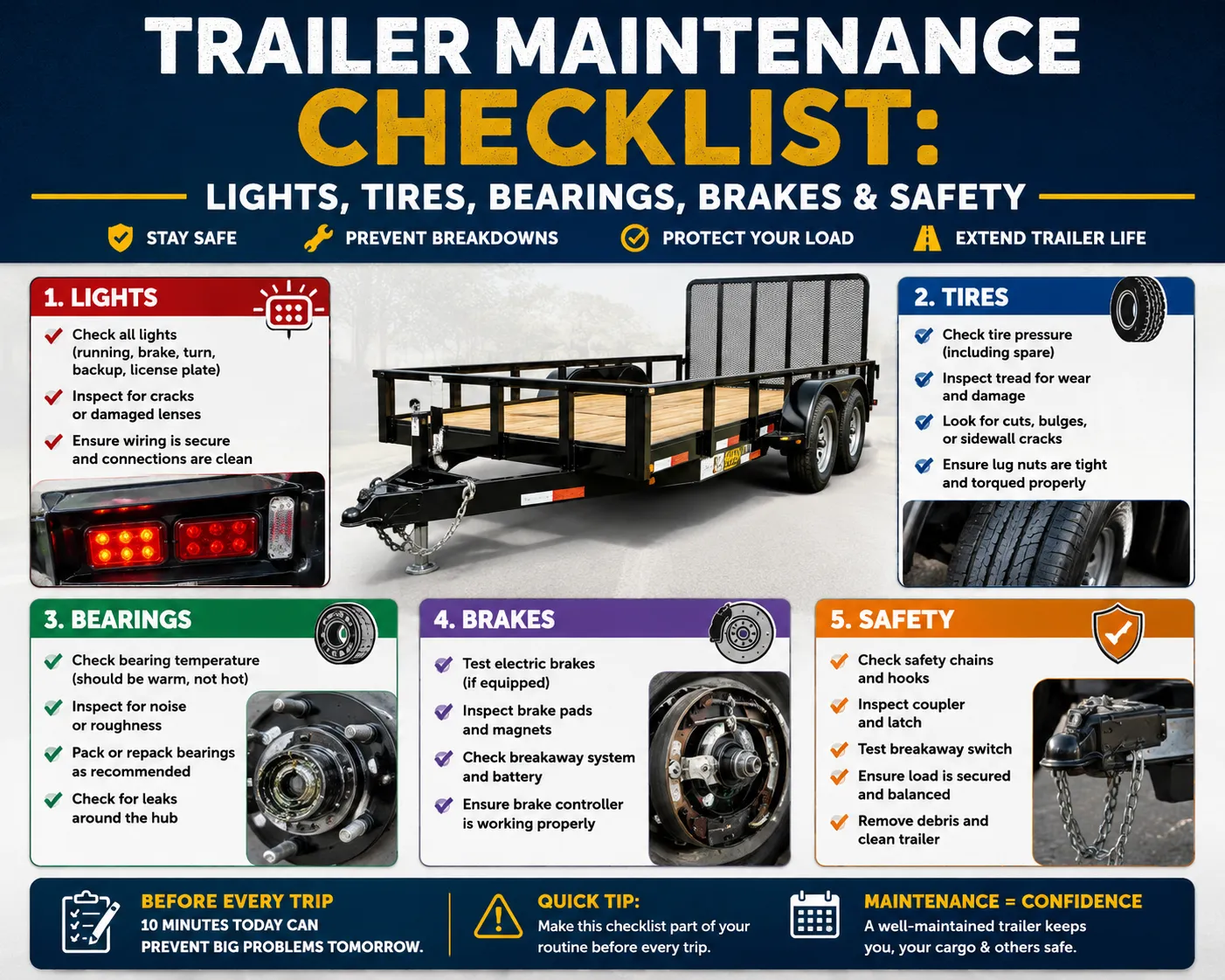
Best Practices Before Every Trip
Before hitting the road:
- Check hitch security.
- Verify safety chains.
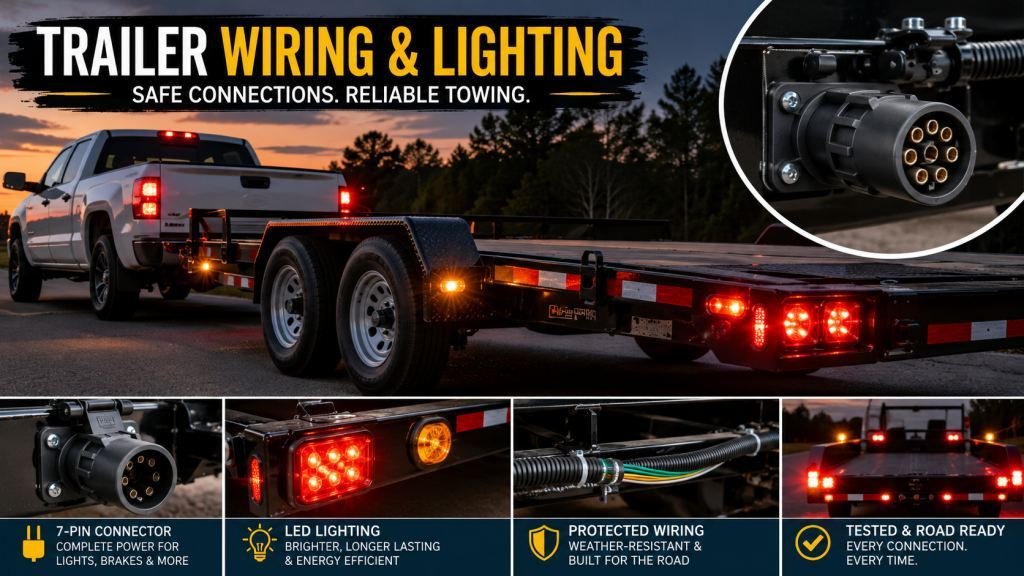
- Test trailer lights.
- Inspect trailer brakes.
- Confirm tire pressures.
- Secure cargo.
- Verify hitch pin.
- Check mirrors.
- Test brake controller.
- Double-check all weight calculations.
A five-minute inspection can prevent expensive repairs and serious accidents.
Frequently Asked Questions
Is towing capacity the same as payload?
No. Towing capacity is how much your vehicle can pull, while payload is how much weight it can carry inside the vehicle, including passengers, cargo, and tongue weight.
Can I tow at the maximum rated capacity?
Although manufacturers specify a maximum rating, many experienced towers prefer staying below that limit to provide an extra safety margin, especially on long trips or in mountainous terrain.
What causes trailer sway?
Trailer sway commonly results from insufficient tongue weight, poor cargo distribution, excessive speed, strong crosswinds, or an improperly matched tow vehicle and trailer.
Is dry weight enough for calculations?
No. Always calculate using the fully loaded trailer weight because water, fuel, supplies, and equipment can add hundreds or even thousands of pounds.
How often should I weigh my trailer?
Any time you make significant changes to your load, add equipment, or prepare for a long journey, it’s wise to verify your trailer’s weight at a certified scale.
Final Thoughts
Understanding trailer towing and weight calculations is one of the smartest investments you can make as a trailer owner. Accurate weight calculations improve stability, shorten stopping distances, reduce wear on your vehicle, and make every trip safer for you and everyone sharing the road.
Rather than relying on estimates, use the manufacturer’s ratings, verify your loaded weights, and perform the necessary calculations before every major trip. Safe towing isn’t about having the biggest truck—it’s about knowing your numbers and staying within them. With the right preparation, you’ll enjoy greater confidence, better vehicle performance, and peace of mind every time you tow.