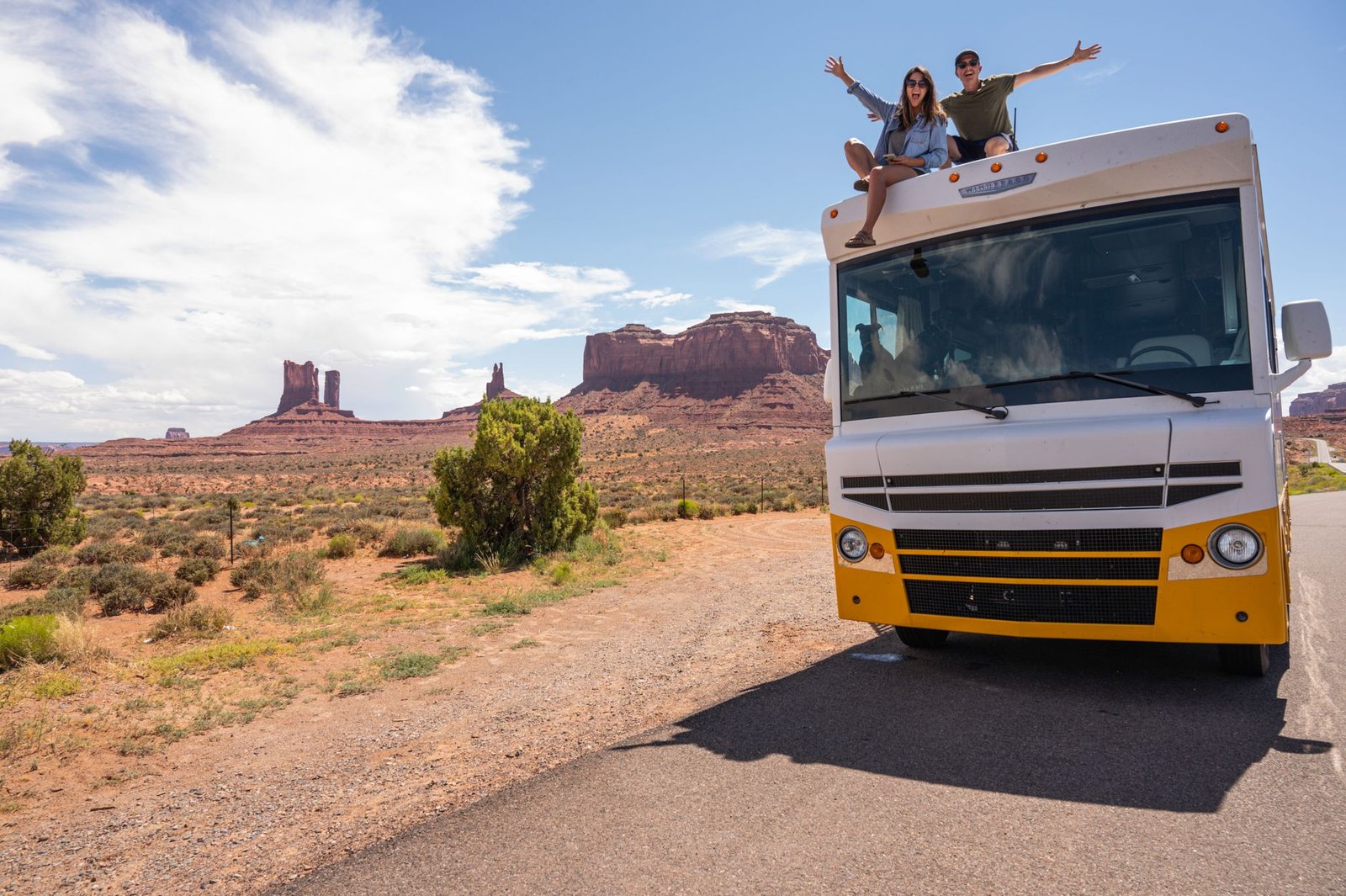
As millions of RVers and camper van enthusiasts pack their rigs for the upcoming Labor Day long weekend, a wave of critical emergency declarations has fundamentally altered the boondocking landscape across the American West. Driven by prolonged summer heat and extremely dry forest fuels, the Bureau of Land Management (BLM) and the US Forest Service have issued sweeping emergency fire prevention orders. Moving multiple popular public land districts in Oregon, Idaho, Utah, Colorado, and Nevada into Stage 2 Fire Restrictions, these mandates change where you can park, how you cook, and whether you can run your RV generator. Failing to understand these rules can result in massive federal fines, rig impoundment, or worse, a catastrophic wildfire.

For those planning an off-grid getaway, knowing the exact operational guidelines of these active mandates is non-negotiable. The transition to Stage 2 represents a major operational shift. Dispersed camping is still legally permitted in most areas, but the daily activities that many RVers take for granted—like running an onboard generator to power an air conditioner or cooking over a portable charcoal grill—are heavily restricted or banned. Here is a comprehensive guide to navigating these active emergency orders safely, legally, and responsibly.
What Exactly Are BLM Stage 2 Fire Restrictions?
Fire restrictions on federal public lands are implemented in progressive stages based on fuel moisture levels, weather forecasts, and regional firefighting resources. While Stage 1 restrictions primarily target open campfires outside of designated campgrounds, Stage 2 fire restrictions represent a severe escalation. These orders are legally binding and apply to all dispersed camping areas, federally managed forests, and BLM districts covered under the specific regional declaration.
According to the National Interagency Fire Center, human-caused wildfires account for nearly 85% of all wildland blazes in the United States, with a significant portion traced back to recreational activities like campfires, target shooting, and faulty equipment. To combat this risk, federal land managers enforce Stage 2 rules to limit spark-producing activities when forest fuels are at their driest. During these periods, the landscape is so vulnerable that a single stray spark from an exhaust pipe or an un-arrested generator can spark a fire that burns thousands of acres within hours.
The RV Generator Rule: Can You Run Your AC Under Stage 2?
One of the most common questions from boondockers is whether they can operate their RV or portable generator during Stage 2 restrictions. The short answer is yes, but only under extremely strict conditions. Under active Stage 2 orders, operating an internal combustion engine (such as a generator) on public lands is prohibited unless the engine is equipped with a functional, USDA Forest Service-approved spark arrestor.
The spark arrestor is a critical safety component designed to trap hot carbon particles before they exit the exhaust system. Most modern, high-quality portable generators (such as those from Honda, Yamaha, or Cummins Onan) come equipped with these screens from the factory, meeting the rigid guidelines of USDA Forest Service Standard 5100-1c. However, budget generators or older, modified units may lack them entirely or have damaged screens. Operating a generator without a certified spark arrestor during active fire restrictions is a federal misdemeanor.
In addition to having a certified spark arrestor, you must adhere to the 10-foot clearance rule. This mandate requires RVers to clear all flammable materials—including dry grass, pine needles, leaves, twigs, and organic soils—down to bare mineral dirt or gravel within a 10-foot radius of the generator. If you park your trailer on a grassy boondocking site, you cannot simply place a portable generator on the grass. It must be set on a completely non-combustible surface, such as a heavy-duty metal tray, a gravel pad, or bare dirt. Furthermore, local BLM districts frequently implement hourly restrictions, banning generator operation entirely between the high-risk hours of 1:00 PM and 1:00 AM, or during red flag warning events. To avoid being caught without power in the summer heat, many off-grid travelers choose to upgrade to a comprehensive 2026 boondocking camper trailer setup utilizing solar and lithium batteries, which bypasses generator restrictions entirely.
How to Check and Maintain Your RV Generator’s Spark Arrestor
To avoid a costly citation or a dangerous malfunction, performing pre-trip maintenance on your generator’s spark arrestor screen is highly recommended. Over time, carbon deposits can clog the fine metal mesh of the arrestor, reducing engine performance and creating a potential fire hazard. Follow these steps to inspect and clean your spark arrestor before heading out:
- Locate the Exhaust Tailpipe: Ensure your generator is completely cool to the touch. Find the exhaust outlet on the back or side of your portable or built-in generator.
- Remove the End Cap or Deflector: Using a screwdriver or socket wrench, remove the small screws holding the exhaust deflector plate or muffler end cap in place.
- Extract the Spark Arrestor Screen: Slide the fine wire mesh screen out of the exhaust pipe. On some models, the screen may be secured with an additional retaining band or clamp.
- Inspect for Wear and Damage: Hold the screen up to a bright light. Inspect it carefully for any holes, tears, or eroded areas. If the mesh is broken or compromised, it can let hot embers escape, meaning you must replace it immediately with a factory-authorized USDA-approved part.
- Clean the Mesh: If the screen is intact but covered in black soot or carbon buildup, use a stiff wire brush and a spray can of carburetor cleaner to gently scrub away the deposits. The mesh must be completely clear to allow proper exhaust flow.
- Reassemble and Verify: Slide the clean screen back into place, reattach the deflector plate, and tighten the screws securely. Check the generator housing for the required USFS certification stamp.
Propane Fire Pits and Camp Stoves: The 2026 “Loophole”?
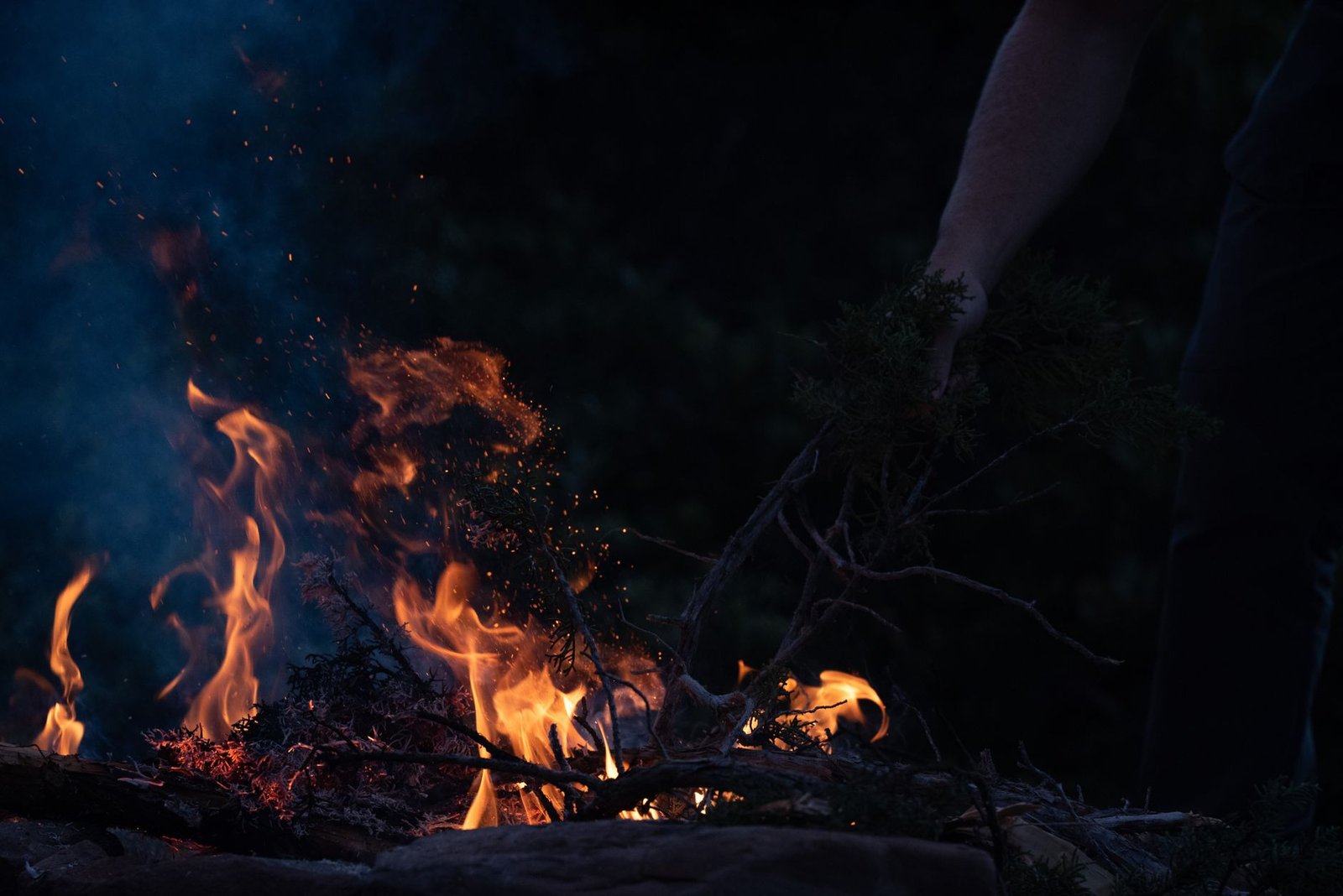
Under active Stage 2 restrictions, building, maintaining, attending, or using a campfire, charcoal grill, coal stove, wood stove, or pellet smoker is strictly prohibited. This rule applies to all areas, including established, developed campgrounds with permanent metal fire rings. If you were planning on grilling steaks over charcoal or roasting marshmallows over firewood, you must adapt your plans.
The only exception to this campfire ban is the use of pressurized liquid petroleum gas (LPG), propane, or gel-fueled stoves and fire pits. These devices are permitted because they feature an immediate, adjustable on/off control valve that allows you to instantly extinguish the flame in an emergency. However, this exception is not a free pass to operate your propane fire pit anywhere. You must still adhere to safety protocols:
- Clearance: The propane appliance must be operated in an area completely cleared of all flammable vegetation for at least 10 feet in all directions.
- Placement: Place the fire pit or stove on a stable, non-combustible surface, such as bare dirt, sand, gravel, or a metal camp table. Never place a propane fire pit directly on dry grass or pine needles.
- Permits: In many western states, such as California, you must possess a valid, free Campfire Permit to operate a propane stove or fire pit on public land, which can be obtained online after passing a brief fire safety quiz.
- Supervision: Never leave a propane fire pit unattended. Even after shutting off the valve, wait until the unit is completely cool to the touch before packing it away.
The Hidden Danger: Parking Your RV in Tall Dry Grass
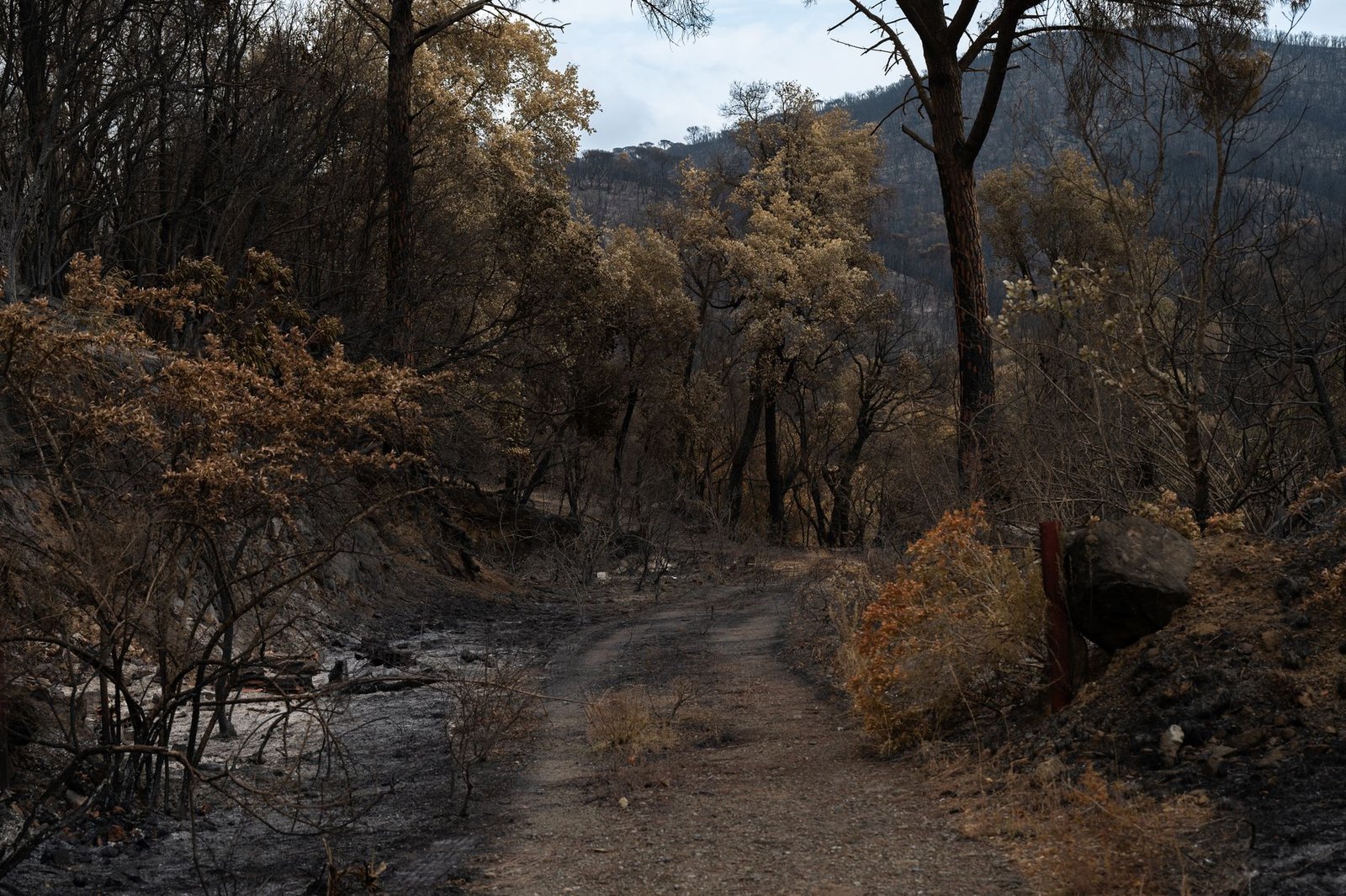
A major cause of vehicle-related wildfires on public lands is one that many RVers completely overlook: parking in dry brush. Catalytic converters and exhaust systems on modern tow vehicles, SUVs, and motorhomes run extremely hot, routinely reaching operating temperatures between 1,200 and 1,600 degrees Fahrenheit. When you drive off-road or pull off a dirt track into a field of dry, summer vegetation, the hot undercarriage of your vehicle can come into direct contact with tall dry grass, igniting a fire in seconds.
Under Stage 2 fire restrictions, motorized vehicles are strictly restricted to designated roads, established trails, and completely cleared parking areas. This means you cannot forge new paths to reach a secluded boondocking spot, nor can you park your rig on top of un-mowed dry grass. To stay compliant with the law and protect your rig, always park on bare dirt, gravel pullouts, or paved surfaces. When setting up your travel trailer, take a few minutes to inspect the ground beneath your tow vehicle and RV chassis. If any dry vegetation is tall enough to touch the exhaust system or axles, choose a different spot or clear the vegetation down to bare dirt before setting up camp.
Mandatory Gear You Must Carry (The Law)
When camping under active Stage 1 or Stage 2 fire restrictions, federal land management agencies like the Bureau of Land Management and the US Forest Service frequently require dispersed campers to carry specific firefighting equipment. Law enforcement rangers routinely patrol boondocking sites and are authorized to issue citations if you do not have these tools on hand. To ensure you are fully prepared and compliant, carry the following items in your tow vehicle or RV:
- Round-Point Shovel: You must carry a standard round-point shovel with an overall length of at least 26 inches and an 8-inch blade. This tool is critical for tossing mineral soil onto small sparks or digging emergency fire breaks.
- Fire Extinguisher: A fully charged, operational chemical fire extinguisher with a minimum capacity of 2.5 lbs is required. It should be rated for Class A, B, and C fires, and the pressure gauge must be in the green zone.
- Water Supply: You should keep at least one gallon of pressurized water, a pressurized water extinguisher, or a large container of water readily accessible at your camp kitchen or generator setup.
BLM Fire Restriction Stages Quick Reference
To help you plan your next dry camping adventure, the table below compares the specific regulations and limitations of Stage 1, Stage 2, and Stage 3 (Emergency Closures) fire restrictions as they apply to RVers, travel trailers, and boondockers on public lands.
| Camping Activity / Equipment | Stage 1 Restrictions | Stage 2 Restrictions | Stage 3 (Emergency Closures) |
|---|---|---|---|
| Wood & Charcoal Fires | Allowed only within designated, permanent steel fire rings in developed campgrounds. Banned in dispersed sites. | Strictly prohibited in all areas, including developed campgrounds and dispersed boondocking sites. | Completely prohibited; all public access to the designated forest or district is suspended. |
| Propane & Liquid Gas Stoves | Allowed in all areas. Ensure a 3-foot clearance of all flammable material. | Allowed only with an adjustable on/off valve and in a cleared area with a minimum 10-foot radius. | Prohibited; public access closed. |
| RV & Portable Generators | Allowed with a USDA-approved spark arrestor. Standard campground quiet hours apply. | Allowed only with an approved spark arrestor, inside a 10-foot cleared radius, and often restricted to specific hours. | Prohibited; public access closed. |
| Off-Road Parking & Driving | Allowed on designated roads and established dispersed parking spots. Avoid dry grass. | Restricted strictly to designated roads and bare dirt/gravel parking. Absolutely no parking over dry grass. | Prohibited; public access closed. |
| Chainsaws & Power Tools | Allowed with an approved spark arrestor and a fire extinguisher on hand. | Generally banned, or restricted to specific hours (e.g., prohibited from 1:00 PM to 1:00 AM). | Prohibited; public access closed. |
The Legal and Financial Consequences of Violation
Violating a federal fire prevention order is a serious offense. Under federal law, violating a BLM fire prevention order is a Class B misdemeanor. This charge carries a potential fine of up to $100,000, imprisonment for up to 12 months, or both. These penalties apply even if your actions do not result in a wildfire. Simply running an un-arrested generator or setting up a charcoal grill during Stage 2 restrictions can result in a hefty ticket from a forest ranger.
The financial consequences escalate dramatically if your equipment or campfire actually ignites a wildland blaze. Under federal and state laws (such as the Federal Land Policy and Management Act), individuals determined to be negligent or in violation of fire restrictions can be held civilly liable for the full cost of fire suppression. Fighting a modern forest fire can easily cost millions of dollars, involving heavy machinery, air tankers, hotshot crews, and months of active management. A single careless mistake could lead to lifelong financial ruin, showing why staying informed on regional fire updates is critical for every trailerite.
Emergency Preparedness: Monitoring Fire Conditions and Evacuating
Dispersed camping in the American West during the height of late summer requires constant vigilance. Fire conditions can change in an instant, and a nearby lightning strike or a careless camper miles away can trap you in a dangerous situation. When boondocking, always monitor the local weather and fire reports daily. Keep a reliable NOAA weather radio on hand, monitor local dispatch frequencies, and check for Red Flag Warnings in your immediate area.
Before you ever set up camp, make sure you have established a clear, fast evacuation route. Public lands often feature narrow, winding dirt roads that can quickly become choked with smoke or blocked by emergency vehicles. Ensure your tow vehicle is hooked up or ready to hitch in minutes, keep your trailer tires properly inflated, and formulate a comprehensive RV wildfire evacuation plan. If a fire starts in your vicinity, do not wait for a formal evacuation order. Pack up your rig and head to safety immediately. Property can be replaced, but your life cannot.
Frequently Asked Questions
Can I use a propane fire pit during BLM Stage 2 fire restrictions?
Yes. Propane-fueled fire pits and stoves are permitted under Stage 2 because they have an on/off control valve. However, they must be used in an area cleared of all flammable vegetation for at least 10 feet in all directions.
Is it legal to run my RV generator under Stage 2 restrictions?
Yes, but only if the generator is equipped with a functional, USDA Forest Service-approved spark arrestor and is placed on a non-combustible surface (like dirt or a metal tray) with 10 feet of cleared space. Some districts may also restrict generator use during high-risk afternoon hours.
What tools are legally required for boondocking during fire season?
Many BLM and Forest Service districts require you to carry a fully charged fire extinguisher (minimum 2.5 lbs), a round-point shovel with an overall length of at least 26 inches and an 8-inch blade, and at least one gallon of water.
Where can I safely park my RV under Stage 2 restrictions?
You must park strictly on designated roads, established gravel pads, or cleared dirt pullouts. Never drive off-road or park your vehicle or trailer on top of dry grass, as hot exhaust systems and catalytic converters can easily ignite a wildfire.
Can I use a charcoal grill or wood stove under Stage 2 restrictions?
No. Charcoal grills, wood stoves, pellet smokers, and traditional campfires are completely banned under Stage 2 fire restrictions, even within developed campgrounds with permanent metal rings.