Introduction: Tropical Storm Moke Triggers State-Wide Camping Emergencies
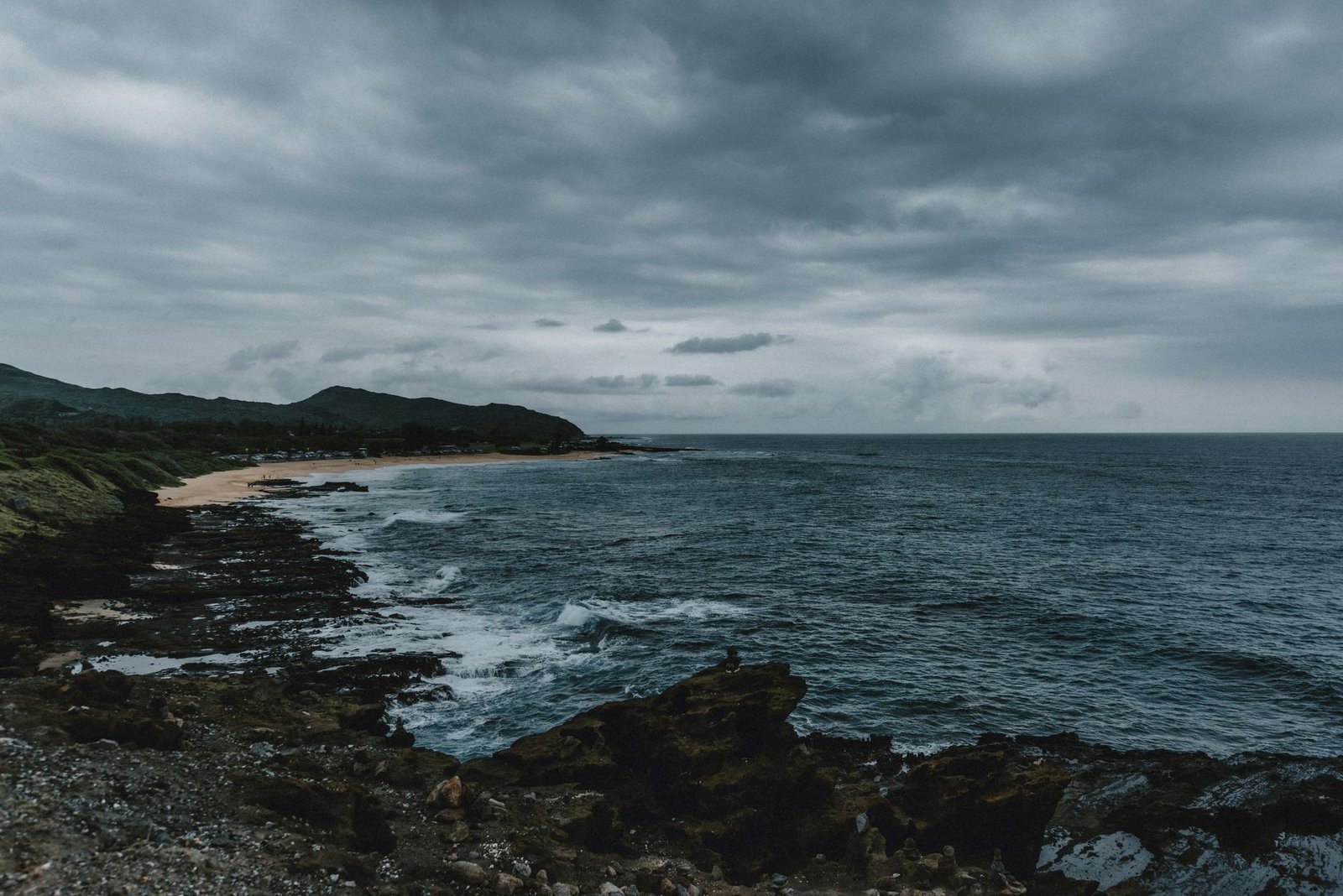
Tropical Storm Moke is tracking directly toward the Hawaiian Islands, bringing with it the threat of heavy rainfall, destructive flash floods, high-energy storm surges, and tropical-storm-force winds. In response to this rapidly escalating weather event, the Hawaii Division of State Parks has issued emergency campground closures across all major islands, including Oahu, Maui, Kauai, and the Big Island. For the thousands of tourists currently exploring the islands in rented camper vans and the local residents living in travel trailers or fifth wheels, this storm presents unique and immediate hazards.
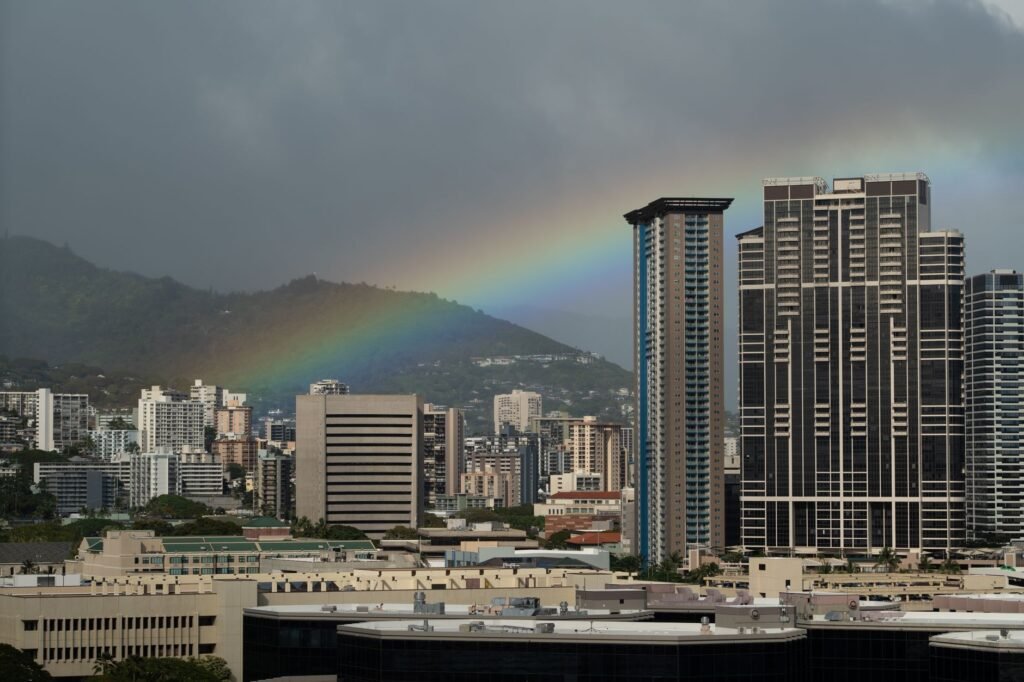
If you are currently camping in Hawaii, the message from local emergency management officials is clear: you must pack up and evacuate immediately. Campgrounds situated in low-lying coastal areas and deep mountain valleys are highly vulnerable to flash floods and falling trees. This comprehensive guide details the active campground closures, explains why recreational vehicles (RVs) and camper vans are exceptionally vulnerable to tropical storm conditions, and provides a step-by-step emergency evacuation plan to keep you safe.
Understanding the Current Path and Intensity of Tropical Storm Moke
According to the latest advisories from the National Weather Service and the Central Pacific Hurricane Center in Honolulu, Tropical Storm Moke is packing sustained winds of 50 to 60 miles per hour, with localized gusts exceeding 70 miles per hour. The storm is moving northwestward, with its outer rainbands already beginning to sweep across the eastern slopes of the Big Island and Maui County.
Meteorologists warn that the topography of the Hawaiian Islands can dramatically amplify the hazards of a tropical storm. As the moisture-rich storm winds hit the steep volcanic mountain ranges, they undergo orographic lifting, which can trigger torrential downpours of 10 to 15 inches in localized areas. These intense rains quickly saturate the soil, causing rapid-onset flash floods in valleys and rendering coastal access roads completely impassable within minutes. Additionally, mountain passes and coastal highways will experience severe wind acceleration, creating highly hazardous conditions for high-profile vehicles.
Island-by-Island Breakdown: Major Campground Closures in Hawaii
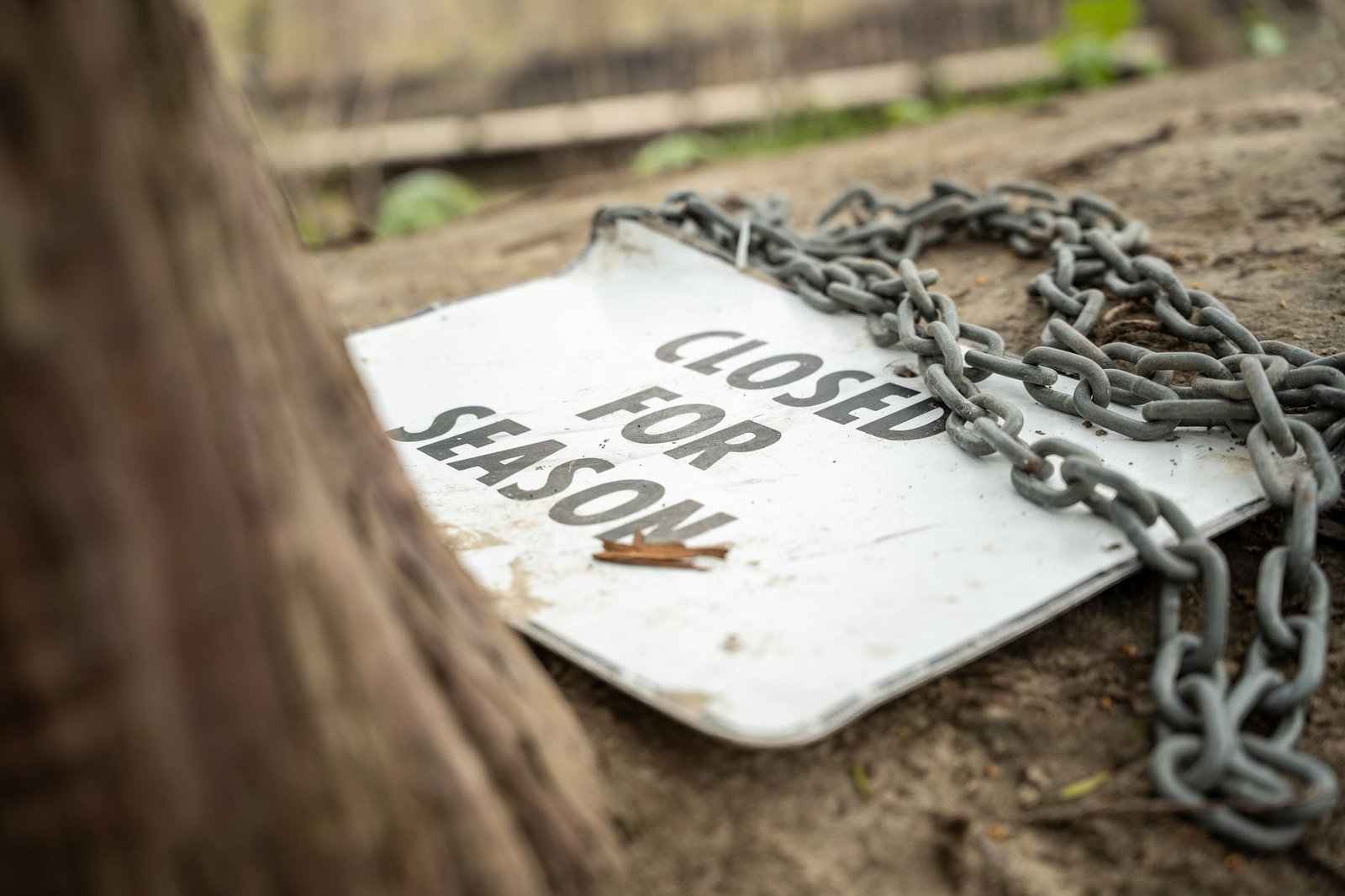
To prevent emergency rescues and ensure public safety, state and county officials have shut down all state parks, forest reserves, and county-managed campsites. Below is the current list of key campground closures across the islands as of August 22, 2026.
Oahu Campground Closures
On the island of Oahu, the City and County of Honolulu, along with state agencies, have closed all campsites. This includes the highly popular Malaekahana State Recreation Area on the windward coast, which is highly susceptible to storm surges and high-tide flooding. Camping at Ahupuaʻa ʻO Kahana State Park and all beach parks along the North Shore and Windward side is strictly prohibited. County campgrounds, including those at Swanzy Beach Park and Bellows Field Beach Park, are also closed, and all permit holders have been ordered to vacate the premises.
Maui Campground Closures
Maui County has closed all municipal beach parks and mountain campsites. The state has shut down camping at Waiʻanapanapa State Park, a major destination for camper vans traveling the Road to Hana. Camping and cabin rentals at the high-elevation Polipoli Spring State Recreation Area are also suspended. Emergency officials warn that the access road to Polipoli is exceptionally dangerous during heavy rains due to mudslides and falling pine branches.
Kauai Campground Closures
Kauai is famous for its rugged, remote wilderness camping, but these areas are highly dangerous during a tropical storm. The Department of Land and Natural Resources (DLNR) has closed the world-renowned Na Pali Coast State Wilderness Park, including the entire 11-mile Kalalau Trail. Hikers and campers have been systematically evacuated from the valley, as the crossing at Hanakapiai Stream can rise several feet in a matter of minutes, trapping campers. Campsites at Kokeʻe State Park and Polihale State Park are also fully closed to the public.
Hawaii Island (Big Island) Campground Closures
The Big Island is experiencing some of the earliest impacts of Tropical Storm Moke. State park campgrounds at Hapuna Beach State Recreation Area and the remote campsites at Kiholo State Park are closed. Backcountry camping within the Hawaii Volcanoes National Park has also been suspended, as high winds pose a severe risk of falling volcanic debris and topsoil erosion.
Why Camper Vans and RVs are Uniquely Vulnerable to Tropical Storms
Many travelers mistakenly believe that a camper van or a travel trailer provides adequate shelter from a tropical storm because it has hard walls and a roof. In reality, staying inside a camper van, travel trailer, or motorhome during a tropical storm is extremely dangerous for several key reasons.
The “Sail Effect” and High Wind Dynamics
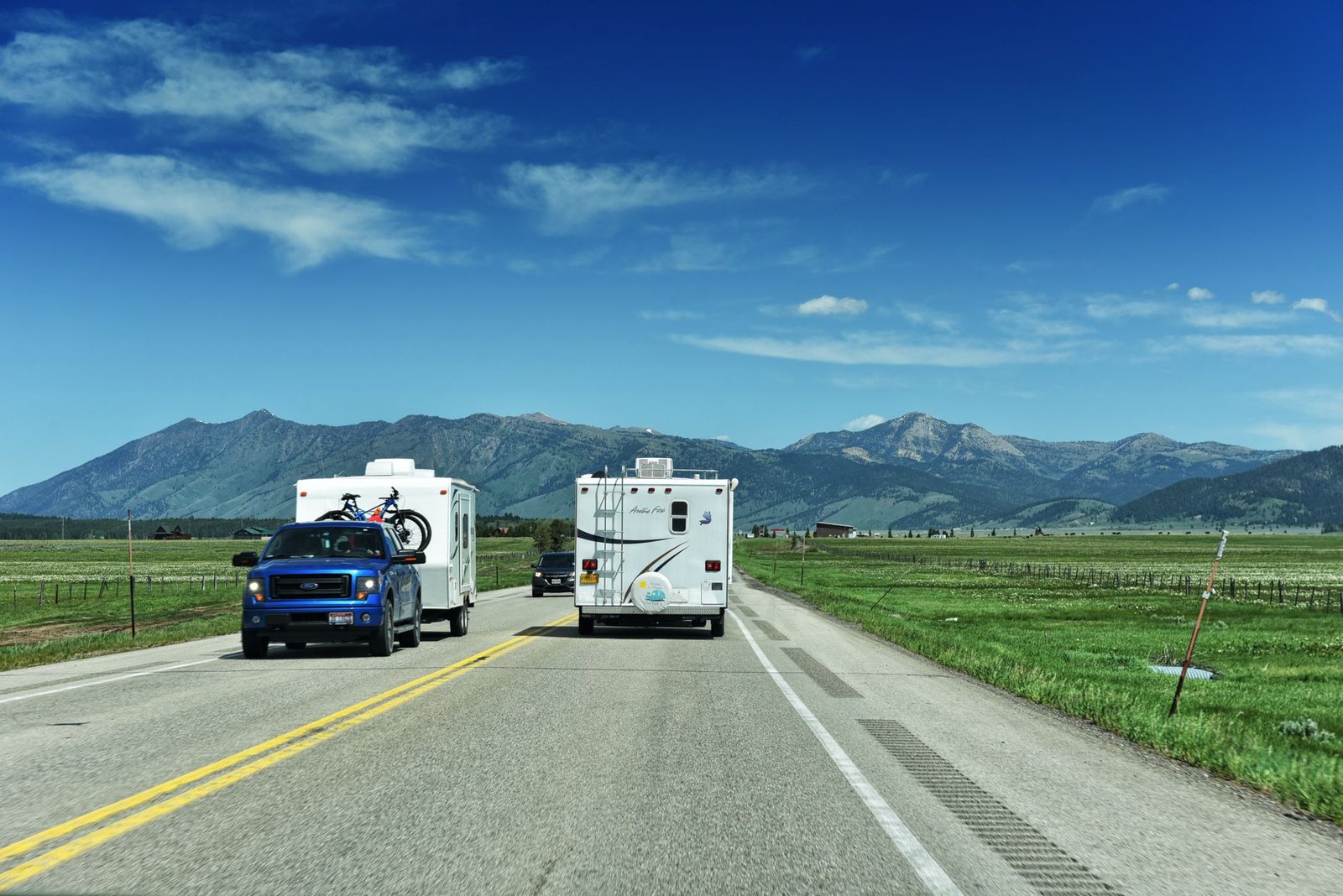
Recreational vehicles, camper vans (such as converted Sprinters, Ford Transits, or classic Westfalias), and travel trailers have large, flat vertical side profiles. This design makes them highly susceptible to the “sail effect.” When high winds strike the side of a parked or moving RV, they exert massive lateral force. Winds of 40 to 50 miles per hour can easily destabilize a high-profile vehicle, causing a driver to lose control or, in severe cases, tipping the stationary vehicle completely over. For deep technical strategies on handling high winds while driving, read our comprehensive high-wind towing safety guide.
Flash Flooding and Volcanic Soil Saturation
Many of Hawaii’s most scenic campgrounds are situated on sandy beaches or volcanic clay soils. Saturated volcanic clay, often called “red dirt,” loses its load-bearing capacity when wet, turning into a slick, deep mire. A heavy camper van or a tow vehicle pulling a travel trailer can easily sink and become hopelessly stuck. If the campground is located in a tsunami or storm surge inundation zone, or near the mouth of a mountain stream, the rising waters can quickly submerge the vehicle, leading to catastrophic property loss and life-threatening emergencies.
The Hazard of Falling Trees: Hawaii’s Albizia Threat
One of the most underestimated dangers of storm events in Hawaii is the presence of invasive Albizia trees (Falcataria moluccana). These trees grow exceptionally fast but have extremely weak, brittle wood. During tropical storms, large Albizia branches—some weighing several tons—snap easily under high winds and crash down onto campgrounds. A falling limb can easily crush the roof of a camper van or a travel trailer, causing severe injury or death to those inside.
The 24-Hour RV and Camper Van Evacuation Protocol
If you are currently operating a camper van or towing an RV in Hawaii, you must act before the storm’s outer bands arrive. Waiting until the wind picks up and the rain becomes heavy is a recipe for disaster. Heavy rain quickly triggers landslides that block critical arteries, such as the Pali Highway on Oahu, the Honoapiilani Highway on Maui, and the Kuhio Highway on Kauai. Implementing a rapid RV evacuation plan is critical to escaping before roads become impassable.
- Retract and Secure All Gear: If you are parked, immediately pull in all slide-outs, roll up and lock your awnings, and secure solar panels. Store loose items like camp chairs, coolers, surfboards, and leveling blocks inside the vehicle. Loose items can become lethal airborne projectiles in 50 mph winds.
- Empty Waste Tanks and Fill Fuel: Ensure your grey and black water tanks are empty to reduce unnecessary weight, but keep your fresh water tank partially full to add low-center-of-gravity ballast to your rig. Fill your fuel tank completely; power outages during and after the storm can disable gas station pumps across the islands.
- Navigate to Safe Ground: Drive your vehicle away from the coastline and out of low-lying valleys. Avoid parking under large trees, near steep cliffs prone to rockfalls, or next to utility poles.
Special Guidelines for Hawaii Camper Van Renters
Hawaii has a booming peer-to-peer and commercial camper van rental industry. If you are a visitor renting a van from platforms like Outdoorsy or local rental agencies, you must follow specific protocols during a tropical storm emergency:
- Contact Your Rental Agency Immediately: Reach out to the vehicle owner or the rental company. Many agencies have strict storm emergency policies and may require you to return the vehicle early or park it at a designated, secure depot.
- Check Your Insurance Coverage: Review your rental contract’s force majeure and severe weather policies. Standard rental insurance may not cover damage caused by driving into flooded areas or parking in closed state parks during an active storm warning.
- Do Not Attempt to “Weather the Storm” in the Van: Renting a camper van does not obligate you to sleep in it during a natural disaster. Secure alternative accommodations, such as a hotel, motel, or a designated emergency shelter, and park the vehicle in a safe, paved parking lot away from trees and flood zones.
Tropical Storm RV and Camper Van Safety Checklist
Use the following comparison and action checklist to plan your storm preparation and evacuation strategy:
| Hazard Category | High-Risk Areas to Evacuate | Safe Harbor Alternatives | Required Safety Action |
|---|---|---|---|
| High Winds | Coastal clifftops, exposed beaches, and high-elevation mountain passes. | Low-elevation inland valleys, urban parking structures (height-permitting), or sheltered RV parks. | Retract all slide-outs and awnings. Park the vehicle facing directly into the wind to minimize the sail effect. |
| Flash Floods | Valley floors, riverbanks, and low-lying coastal campsites. | Paved, elevated parking lots and designated storm shelters located on high ground. | Never attempt to drive a camper van or tow a trailer through flowing water. Even six inches of water can cause loss of control. |
| Falling Debris | Forested campgrounds, areas with heavy tree canopies (especially Albizia or Eucalyptus). | Open parking fields away from structures, utility poles, and large trees. | Park away from tall vegetation. Inspect the surrounding canopy before selecting an emergency parking spot. |
| Storm Surge | Beachfront campgrounds and coastal highways (e.g., Kamehameha Highway). | Inland locations at least 50 feet above sea level. | Evacuate coastal roads early before wave run-up and debris wash onto the pavement, blocking evacuation routes. |
Alternative Accommodations and Official Emergency Shelters
If you have evacuated your campground and cannot safely stay in your camper van or trailer, you must seek alternative shelter. The Hawaii Emergency Management Agency (HI-EMA), in coordination with the county governments and the American Red Cross, establishes emergency shelters during tropical storms.
Please note that pet-friendly shelters have specific requirements, and you will need to bring your own emergency supplies, including water, food, and bedding. Most public emergency shelters are located in local high schools and community centers. These locations provide physical shelter from winds and flying debris, but they do not permit evacuees to remain inside their vehicles in the school parking lots during the storm due to wind risks. You must park your vehicle in a secure spot and walk into the shelter.
Emergency Contact Directory and Official Resources
For real-time updates on Tropical Storm Moke Hawaii, road closures, campground openings, and shelter locations, monitor the following official resources:
- Civil Defense Agency Contacts:
- Oahu Civil Defense: (808) 723-8960
- Maui Emergency Management Agency: (808) 270-7285
- Kauai Emergency Management Agency: (808) 241-1800
- Hawaii County Civil Defense (Big Island): (808) 935-0031
- Official Weather Alerts: Central Pacific Hurricane Center / National Weather Service Honolulu
- State Park Updates: Hawaii Department of Land and Natural Resources Division of State Parks Portal
By staying informed, preparing your vehicle early, and respecting the mandatory campground closures, you can protect yourself, your passengers, and your equipment from the severe hazards of Tropical Storm Moke Hawaii. Remember, equipment can be replaced, but lives cannot. Pack up, head to safe ground, and ride out the storm in a secure shelter.
Frequently Asked Questions
Is it safe to ride out Tropical Storm Moke inside a camper van or RV in Hawaii?
No. Camper vans and RVs have high vertical side profiles that act like sails in high winds, making them susceptible to being tipped over. Additionally, campsites are often located in areas prone to flash flooding, falling trees, and storm surges, making immediate evacuation to a sturdy building essential.
What should I do if I rented a camper van and all campgrounds are closed?
You should contact your rental agency immediately to discuss their severe weather protocols. Park the vehicle in a safe, paved parking lot away from trees and flood-prone areas, and secure alternative accommodations such as a hotel or an official county emergency shelter.
Are Hawaii state parks offering refunds for campground closures due to the storm?
Yes. The Hawaii Division of State Parks typically issues automatic refunds or allows booking modifications for campers whose permits are canceled due to emergency closures caused by tropical storms or other natural disasters.
Where can I find open emergency shelters in Hawaii during the storm?
Official shelter locations are managed by county emergency management agencies and the American Red Cross. You can find real-time updates on active shelters by visiting the Hawaii Emergency Management Agency (HI-EMA) website or tuning into local radio broadcasts.