
The Dawn of the Integrated RV Solar Roof
For decades, the standard procedure for adding solar power to a travel trailer involved drilling holes, mounting heavy aluminum frames, and running exposed wiring across the roof. As of August 19, 2026, that era is officially coming to a close. A major breakthrough in automotive glass technology has paved the way for mass-produced Integrated RV Solar Roof Systems, where the photovoltaic cells are embedded directly into the structural roof material of the trailer.
This shift from ‘bolt-on’ to ‘built-in’ is not just an aesthetic upgrade. It represents a fundamental change in how trailers are engineered for the 2027 model year. By utilizing vehicle-integrated photovoltaics (VIPV), manufacturers can now offer trailers that are lighter, more aerodynamic, and virtually immune to the roof leaks that often plague traditional solar installations. For the modern RVer, this means more power with less maintenance and a significant boost in towing efficiency.
What is Vehicle-Integrated Photovoltaics (VIPV)?
Vehicle-Integrated Photovoltaics, or VIPV, refers to solar technology where the energy-generating components are a primary part of the vehicle’s structure rather than an accessory. In the context of 2027 travel trailers, this typically takes the form of ‘solar glass’ or reinforced thermoplastic skins embedded with high-efficiency CIGS (Copper Indium Gallium Selenide) or Perovskite cells.
Unlike the rigid, heavy silicon panels of the past, these new integrated systems are flexible enough to follow the contours of a trailer’s roofline. This allows for a completely seamless profile. The August 19 announcement by global glass leaders highlights a new ‘glass-on-glass’ lamination process that provides the structural rigidity required for RV roofs while maintaining a solar conversion efficiency of over 22%.
Integrated Solar vs. Traditional Bolt-On Panels
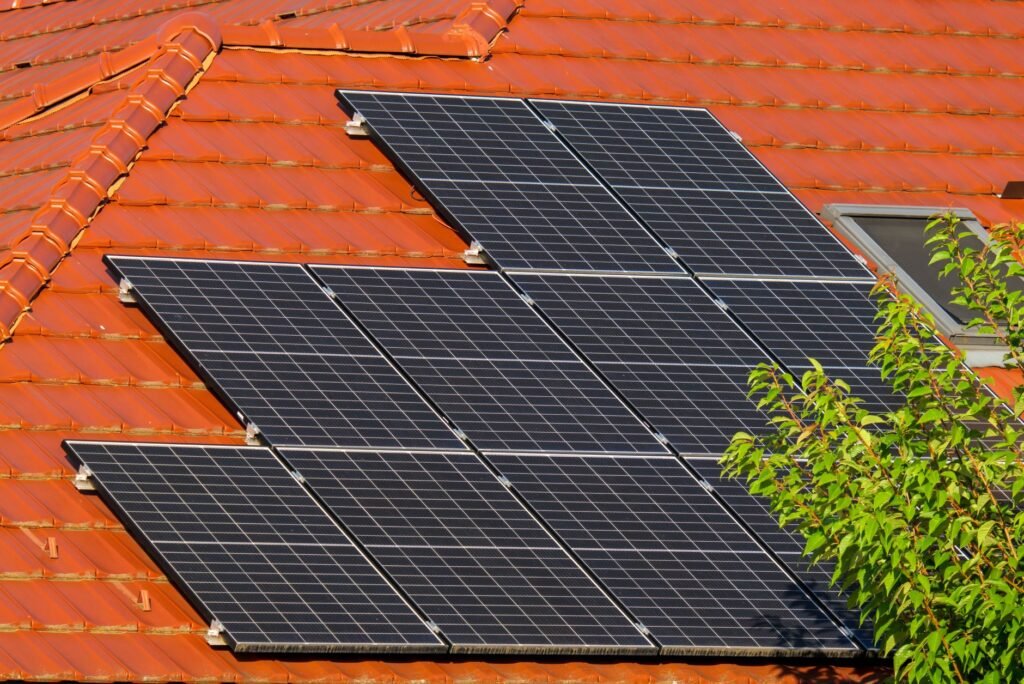
The transition to integrated systems solves several engineering challenges that have frustrated trailer owners for years. Traditional panels act like sails, creating drag and reducing fuel economy. They also create ‘hot spots’ on the roof where heat can be trapped, potentially damaging the rubber or TPO membranes underneath.
Integrated systems, however, are flush-mounted. This eliminates wind noise and drag, which is particularly critical for owners of electric tow vehicles where every percentage of battery range matters. Furthermore, because the solar layer is part of the roof itself, it helps dissipate heat more evenly across the surface of the trailer.
| Feature | Traditional Bolt-On Panels | Integrated Solar Roof (2027) |
|---|---|---|
| Installation | Drilling and Mounting Brackets | Structural Component (Factory) |
| Aerodynamics | Increased Drag / Wind Noise | Seamless / No Drag |
| Weight | 25-40 lbs per panel | Net Zero (Replaces roof skin) |
| Leak Risk | High (Multiple penetration points) | Zero (No drilling required) |
| Durability | Prone to hail and vibration damage | Automotive-grade impact glass |
Impact on Towing and Aerodynamics
One of the most significant benefits of Integrated RV Solar Roof Systems is the improvement in towing dynamics. When you add 300 to 500 pounds of traditional solar panels and mounting hardware to the highest point of a trailer, you effectively raise the center of gravity. This can increase trailer sway and decrease stability in high-wind conditions, a topic covered extensively in our guide on High-Wind Towing Safety.
By integrating the solar cells into the roof skin, the weight is distributed evenly across the entire structure. This lower center of gravity, combined with the reduction in aerodynamic drag, can improve towing range by as much as 5-8%. For long-distance travelers, these marginal gains translate into significant fuel savings or fewer charging stops over the course of a cross-country trip.
The 2026 Breakthrough: Perovskite and Glass Integration
The industry-wide shift seen today is largely due to the maturation of Perovskite solar technology. Historically, Perovskite was too sensitive to moisture for outdoor use. However, the new lamination techniques announced in late August 2026 have successfully ‘sealed’ these cells within automotive-grade tempered glass, making them more durable than any previous solar solution.
These systems are now being integrated into trailers designed for extreme environments. They are capable of withstanding the vibrations of washboard roads and the impact of large hail, which often shatters traditional panels. This level of durability is essential for those following a boondocking camper trailer setup where reliability in remote areas is paramount.
Heat Management and Efficiency
One common concern with integrated solar is heat. Solar panels actually become less efficient as they get hotter. Traditional panels allow air to flow underneath them to cool the cells. Integrated roofs solve this through ‘thermal decoupling’—a thin layer of specialized insulation between the solar glass and the interior ceiling that reflects heat outward while keeping the cabin cool.
Maintenance and Longevity Concerns
A frequent question regarding integrated systems is repairability. If a traditional panel breaks, you simply swap it out. If an integrated roof is damaged, does the whole trailer need a new roof? The 2027 designs use a ‘modular grid’ approach. The roof is divided into independent zones; if one zone is damaged by a falling branch, the remaining zones continue to function. Repairs can often be made using a specialized resin that restores the structural integrity and optical clarity of the solar glass.
Owners should still perform regular inspections to ensure the surface remains clean. Dust, bird droppings, and tree sap can significantly reduce output. Unlike traditional panels, you can walk directly on most integrated solar roofs, making cleaning much safer and easier.
Is an Integrated Solar Roof Worth the Premium?
As of late 2026, Integrated RV Solar Roof Systems typically add between $3,500 and $6,000 to the MSRP of a new trailer. While this is higher than the cost of a DIY panel kit, the value lies in the integration. When combined with a solid-state battery conversion, these roofs provide enough power to run high-draw appliances like air conditioners without the need for a noisy generator.
For many, the ‘set it and forget it’ nature of these systems is the primary selling point. There are no brackets to tighten, no seals to re-caulk around mounting feet, and no exposed cables to degrade in the sun. This level of factory integration is quickly becoming the gold standard for luxury and off-road trailers alike.
Checklist: Inspecting an Integrated Solar Rig
- Verify Zoning: Ensure the roof has multiple independent circuits so one shadow doesn’t kill the whole array.
- Check the Inverter Rating: High-output roofs require at least a 3000W pure sine wave inverter to be useful.
- Thermal Layering: Ask the dealer for the R-value of the thermal decoupling layer to ensure cabin comfort.
- Warranty Terms: Most 2027 integrated roofs carry a 20-year power output warranty and a 10-year structural warranty.
- Walkability: Confirm the specific weight limit for walking on the solar glass surface for maintenance.
As we move into 2027, the RV industry is proving that sustainable power doesn’t have to be an afterthought. By making the roof itself the power source, manufacturers are creating trailers that are more capable, more durable, and more efficient than ever before. For anyone looking to invest in a new rig, the era of the integrated roof is no longer a futuristic concept—it is the new reality of the road.
To learn more about maximizing your off-grid energy, see our deep dive on how to run your RV AC on solar power, which explores the synergy between these high-output roofs and modern cooling units.
Frequently Asked Questions
Can you walk on an integrated RV solar roof?
Yes, most 2027 integrated solar roofs are made with automotive-grade tempered glass or reinforced polymers designed to be fully walkable for maintenance purposes.
What happens if part of the integrated solar roof gets shaded?
Modern integrated systems use bypass diodes and ‘modular zoning,’ meaning if one section is shaded by a tree or AC unit, the rest of the roof continues to generate power at full efficiency.
How much weight does an integrated solar roof save?
While the glass itself has weight, it replaces the standard roof material. Compared to a traditional roof plus 400W of bolt-on panels and frames, an integrated system can save between 50 and 150 pounds.
Is it possible to retrofit an old trailer with an integrated solar roof?
Currently, integrated roofs are a factory-install feature because they are a structural component. Retrofitting would require a full roof replacement, which is rarely cost-effective compared to traditional panels.