Protecting Your Travel Trailer During the 2026 August Heatwave
As we navigate the peak of the 2026 summer season, the American Southwest and Central Plains are experiencing some of the highest sustained temperatures on record. For travel trailer and fifth-wheel owners, this heat isn’t just a matter of air conditioning comfort; it is a direct threat to the structural integrity of your tires. Road surface temperatures can often exceed ambient air temperatures by 40 to 60 degrees, meaning that a 100-degree day in Texas or Arizona can subject your trailer tires to a blistering 150-degree asphalt surface.
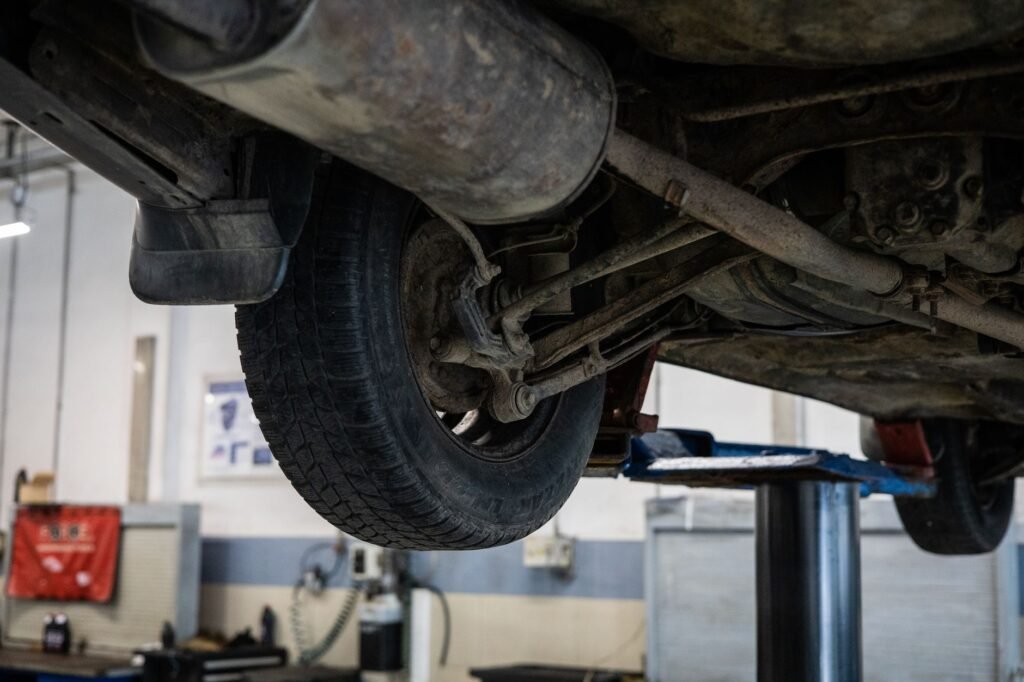
RV tire blowout prevention has become a primary focus for the NHTSA this year, as the weight of modern luxury trailers continues to push the limits of tire load ratings. A blowout at highway speeds is more than a nuisance—it can lead to a complete loss of vehicle control, severe damage to the trailer’s wheel well and plumbing, and potentially life-threatening accidents. This guide outlines the essential 2026 protocols for managing tire health in extreme conditions.
The Physics of Heat and Tire Pressure
One of the most common myths in the RV community is that you should let air out of your tires during hot weather because ‘the pressure rises anyway.’ This is dangerous misinformation. While it is true that internal tire pressure increases as the air inside heats up, tire manufacturers account for this increase in their design. The real danger is under-inflation.
When a tire is under-inflated, the sidewalls flex more as the tire rotates. This excessive flexing creates internal friction, which generates even more heat. In extreme 2026 summer conditions, an under-inflated tire can reach a critical ‘thermal runaway’ point where the rubber compounds begin to break down and the layers of the tire delaminate. Proper RV tire blowout prevention starts with maintaining the manufacturer-recommended ‘Cold PSI’—the pressure measured before the trailer has been driven and before the sun has had a chance to warm the tires.
The 2026 Pre-Trip Tire Safety Checklist
Before you pull out of your campsite or driveway this August, perform this 10-minute inspection. Catching a minor issue now can prevent a catastrophic failure at 65 mph.
- Verify Cold PSI: Use a high-quality digital gauge to check all tires, including the spare. Always inflate to the pressure listed on the trailer’s federal certification label, not the ‘Max Pressure’ listed on the tire sidewall (unless they are the same).
- Inspect Sidewall Integrity: Look for ‘checking’ or small cracks. In 2026, many owners are finding that increased UV intensity is aging tires faster than in previous decades. If you see cracks deeper than 1/16th of an inch, the tire must be replaced.
- Measure Tread Depth: Use a tread depth gauge. Anything below 4/32″ is risky for heavy towing, especially if you encounter a sudden late-summer thunderstorm.
- Check the DOT Date Code: RV tires often age out before they wear out. Most industry experts, including those at Goodyear, recommend replacing trailer tires every five to six years regardless of tread appearance.
- Touch Test the Hubs: While not directly a tire issue, a failing wheel bearing can transfer immense heat to the wheel and tire. Feel your hubs during fuel stops; they should be warm, but never too hot to touch.
TPMS: The Essential 2026 Safety Upgrade
In 2026, a Tire Pressure Monitoring System (TPMS) is no longer considered an optional luxury; it is a critical safety component. Unlike passenger cars, travel trailers do not always provide the driver with immediate tactile feedback when a tire begins to lose pressure. By the time you feel the trailer swaying or see smoke in your mirror, the tire is often already disintegrated.
Modern Bluetooth 5.4 TPMS sensors now offer real-time data with higher frequency updates than older models. These systems monitor both pressure and temperature. A sudden spike in temperature is often the first warning sign of a pending blowout, occurring minutes before the pressure actually drops. For more on essential safety tech, see our guide on 2026 RV Towing Safety Equipment.
Understanding Speed Ratings and Load Ranges
Not all trailer tires are created equal. Many older trailers were equipped with ‘ST’ (Special Trailer) tires rated for only 65 mph. Driving these tires at 75 mph in 100-degree heat is a recipe for disaster. When replacing tires in 2026, ensure you are selecting a model with a speed rating that matches your driving habits and a load range that provides a safety margin above your trailer’s Gross Vehicle Weight Rating (GVWR).
| Speed Symbol | Max Speed (MPH) | Best Use Case |
|---|---|---|
| J | 62 | Local hauling / Agricultural |
| L | 75 | Standard ST tires (Minimum for Highway) |
| M | 81 | Modern Premium ST tires (Recommended) |
| N | 87 | High-performance / Heavy Duty |
Weight Distribution and Tire Stress
Overloading is the second leading cause of RV tire blowouts after under-inflation. It is vital to understand that your trailer’s total weight might be under the limit, but a single tire could be overloaded due to poor weight distribution. This is common in floorplans with heavy kitchens or large slide-outs on one side.
In 2026, more weigh stations are offering ‘wheel-specific’ weighing services. If you haven’t weighed your rig while fully loaded for a trip, you may be unknowingly stressing one specific tire. To prevent this, ensure your weight-distribution hitch is properly dialed in and that your cargo is balanced. For a deeper dive into these mechanics, refer to our article on Trailer Tire Maintenance.
How to Handle a Blowout at Highway Speeds
If you have followed all RV tire blowout prevention steps and a failure still occurs—perhaps due to road debris—your reaction in the first three seconds is critical. The instinctive reaction is to slam on the brakes, but this is the most dangerous thing you can do. Braking with a blown tire often causes the trailer to pivot around the failed wheel, leading to a jackknife or rollover.
The Counter-Intuitive Recovery Method
- Accelerate Briefly: When you hear the bang or feel the pull, give the tow vehicle a quick burst of gas. This helps stabilize the trailer and keeps it pulling straight.
- Maintain Lane Position: Grip the steering wheel firmly. The trailer will pull toward the side of the blowout. Counter-steer to stay in your lane.
- Manual Override: If you have an electronic brake controller, you can gently squeeze the manual lever to apply the trailer brakes only. This helps pull the trailer back into alignment behind the truck.
- Coast to a Stop: Once the rig is stable, let off the accelerator and allow the vehicle to slow down naturally. Move to the shoulder as far as possible, ideally finding a flat, firm surface.
The Role of Nitrogen in 2026 RV Tires
Many 2026 travel trailer manufacturers, including those producing the Forest River Teleos, are now shipping units with nitrogen-filled tires. Nitrogen molecules are larger than oxygen molecules, meaning they migrate through the tire’s rubber more slowly, helping maintain constant pressure for longer. More importantly, nitrogen is a ‘dry’ gas. Regular compressed air contains moisture, which can expand rapidly when heated, leading to larger pressure swings. While you can always top off a nitrogen tire with regular air in an emergency, using pure nitrogen can provide a slim but valuable margin of safety in extreme heat.
Long-Term Tire Care: UV Protection and Storage
When you aren’t on the road, the 2026 sun is still working against you. UV radiation breaks down the wax-like antioxidants in the tire’s rubber compound. If your trailer sits for more than a few days in direct sunlight, use tire covers. These covers are an inexpensive investment that can add years to the life of your tires by preventing ‘dry rot.’
Additionally, try to park on a surface that doesn’t hold moisture or leach chemicals. Avoid parking on bare asphalt or dirt for long periods. Using plastic leveling blocks or ‘jack pads’ under the tires can provide a barrier that prevents the rubber from absorbing oils from the ground, further aiding in RV tire blowout prevention.
Summary: Stay Vigilant to Stay Safe
The 2026 summer towing season presents unique challenges, but they are manageable with the right technology and habits. By combining a modern TPMS with a strict cold-inflation protocol and a calm emergency response plan, you can significantly reduce the risk of a blowout. Remember, your tires are the only thing connecting your home-on-wheels to the road; treat them with the respect that responsibility deserves.
Frequently Asked Questions
Should I lower my RV tire pressure if I’m driving in 100-degree heat?
No. You should never lower your tire pressure below the recommended ‘Cold PSI’ listed on your trailer’s certification label. Tires are designed to handle the pressure increase caused by heat; under-inflating them actually creates more internal friction and heat, increasing the risk of a blowout.
How often should I replace my travel trailer tires?
Most experts recommend replacing RV tires every 5 to 6 years, regardless of how much tread is left. The rubber compounds degrade over time due to UV exposure and heat, even if the trailer is not driven frequently.
What is the most important tool for RV tire blowout prevention?
A Tire Pressure Monitoring System (TPMS) is the most critical tool. It provides real-time alerts for both pressure drops and temperature spikes, allowing you to pull over before a catastrophic failure occurs.
Why did my trailer tire blow out even though it looked new?
Internal delamination can occur due to previous instances of under-inflation, overloading, or ‘dry rot’ from UV exposure. These issues are often invisible from the outside until the tire fails under the stress of high speeds and heat.