

The Hidden Enemy: Why Condensation Despises Your Camper Trailer
As we transition into the 2027 winter season, camper trailer owners are facing a familiar but escalating foe: moisture. While modern manufacturing has improved, the basic physics of a small, inhabited box remain unchanged. When warm, moist air inside the trailer meets a cold surface—like an aluminum frame or a single-pane window—it reaches its dew point and transforms into liquid water. Left unchecked, this process leads to delamination, black mold, and structural rot that can devalue a rig by thousands of dollars within a single season.
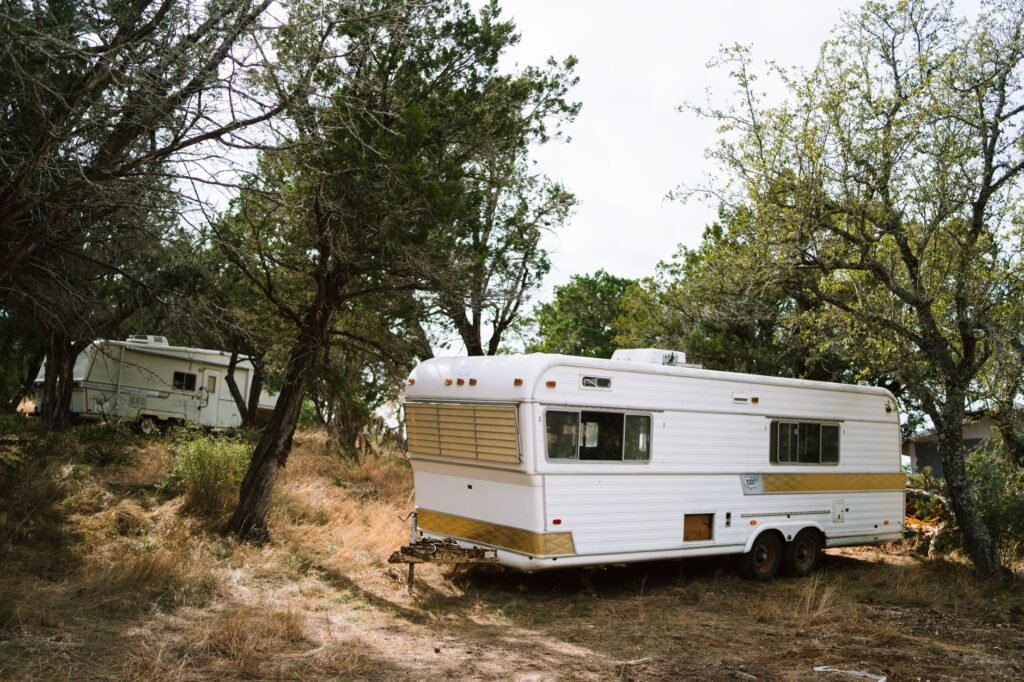
Understanding the dynamics of humidity in a 2027 camper trailer requires looking beyond the thermostat. Occupants generate significant moisture through breathing, cooking, and showering. In fact, two adults can produce up to two gallons of water vapor every 24 hours. Without a dedicated strategy for camper trailer condensation control 2027, this vapor will find its way into the darkest, coldest corners of your closets and under your mattress, creating a breeding ground for spores.
The 2027 Humidity Management Protocol: A 10-Step Actionable List
Effective moisture management requires a multi-layered defense. Follow this actionable checklist to ensure your trailer remains a dry, safe environment through the harshest winter months:
- Install a Digital Hygrometer: You cannot manage what you do not measure. Place one sensor in the main living area and another in the coldest closet. Aim to keep relative humidity below 45 percent.
- Clear and Inspect Weep Holes: Ensure the drainage channels at the base of your window frames are free of debris. Blocked weep holes are a primary cause of interior puddling.
- Deploy Hypervent or Froli Systems: Condensation under the mattress is a leading cause of mold. These systems create a 1-inch air gap between the mattress and the cold plywood platform.
- Upgrade to 12V MaxxAir Covers: Even in rain or snow, your roof vents should remain cracked. Modern covers allow for constant passive ventilation without admitting precipitation.
- Utilize a Compressor-Based Dehumidifier: While chemical canisters are popular, they are insufficient for 2027 standards. A dedicated 12V or 110V compressor dehumidifier is the only way to pull liters of water from the air daily.
- Eliminate Propane Catalytic Heaters: Unvented propane heaters release massive amounts of moisture into the cabin. Stick to your trailer’s forced-air furnace or a dry diesel heater.
- Seal Thermal Bridges with 3M Thinsulate: Identify cold spots on the interior walls where the aluminum studs are located. Applying thin insulation tape over these ‘sweat lines’ can prevent localized condensation.
- Cook with Lids and Ventilation: Boiling water is a moisture bomb. Always use the range hood fan on its highest setting and keep pots covered to contain steam.
- Wipe Down Windows Daily: Use a squeegee or a microfiber cloth each morning to remove any accumulated moisture from the glass. This prevents the water from running down into the wall cavities.
- Isolate Exterior Storage Bays: If your storage bays are not heated, they will be significantly colder than the interior. Use weatherstripping to ensure no moist interior air leaks into these unvented spaces.
Identifying High-Risk Thermal Bridges in Your Rig
Every camper trailer has ‘thermal bridges’—areas where materials conduct heat more efficiently than the surrounding insulation. In most 2027 models, these are the aluminum wall studs, window frames, and the ‘dead zones’ behind cabinetry. Because these surfaces are significantly colder than the ambient air, they serve as magnets for moisture.
To protect your rig, conduct a thermal audit during a cold night. Use an infrared thermometer to scan your walls. Any spot more than 10 degrees colder than the average wall temperature is a high-risk zone. Pay special attention to the corners of slide-outs, which often have thinner insulation. Applying additional foam board or reflective insulation in these specific areas can drastically reduce the condensation rate. This is particularly important for owners following the RV Skirting for Winter 2026 protocols, as managing the temperature differential between the floor and the living space is crucial.
Mechanical vs. Passive Dehumidification: Choosing Your Arsenal
There are three primary ways to handle moisture in a 2027 camper trailer: chemical absorption, passive ventilation, and mechanical extraction. For serious winter camping, a combination of all three is recommended, but mechanical extraction remains the heavyweight champion. Passive ventilation is essential but can be difficult when outside temperatures are below zero, as it requires introducing cold, dry air to displace warm, moist air.
| Technology Type | Pros | Cons | Best Use Case |
|---|---|---|---|
| Chemical (Desiccant Buckets) | No power required; silent. | Slow; low capacity; recurring cost. | Storage or small closets. |
| Thermoelectric (Peltier) | Low power; quiet; compact. | Ineffective in temperatures below 60°F. | Mild climates or small vans. |
| Compressor Dehumidifier | High extraction rate; effective in cold. | Higher power draw; noisy. | Full-time living and extreme cold. |
| Desiccant Machine | Works at near-freezing; very dry air. | High energy consumption. | Professional-grade moisture control. |
For most towable owners, a 12V compressor dehumidifier is the sweet spot for 2027, providing high efficiency without requiring an inverter to run 24/7. This setup ensures that even when the trailer is buttoned up against a blizzard, the internal air remains within the safe zone for both the occupants and the woodwork.
Upgrading Insulation for 2027: Beyond the Fiberglass Batting
If you are planning a pre-season overhaul, consider replacing standard fiberglass insulation with hydrophobic materials. Fiberglass acts like a sponge; once condensation enters the wall cavity, the fiberglass traps it against the frame, leading to invisible rot. Advanced 2027 builds are moving toward closed-cell spray foam or 3M Thinsulate SM600L, which does not absorb water and provides a superior thermal break.
Furthermore, window management is a critical pillar of camper trailer condensation control 2027. While dual-pane windows are the gold standard, many trailers still ship with single-pane glass. Applying a heat-shrink plastic film over your windows can create a dead-air space that functions as a makeshift second pane, significantly reducing the amount of glass ‘sweat’ you have to deal with each morning. This complements the techniques found in our RV Winterization Guide 2026, ensuring that while your pipes are protected, your interior surfaces are equally shielded.
Mold Mitigation and Safety Standards
Despite your best efforts, if you find mold, you must act according to the CDC’s mold remediation guidelines. In the confined space of a camper trailer, mold spores can reach hazardous concentrations quickly. Use a mixture of distilled white vinegar and water (rather than bleach, which can damage many RV surfaces) to kill spores at the root. If the mold has penetrated the substrate of your wall panels, those panels may need to be replaced to prevent structural compromise.
Always remember that moisture control is a health issue as much as a maintenance issue. High humidity levels can exacerbate respiratory conditions and lead to poor sleep quality. By adhering to the 2027 technical standards for trailer maintenance, you aren’t just saving your rig; you are ensuring your mobile lifestyle remains sustainable for years to come.
Long-Term Maintenance: The Post-Winter Inspection
Once the 2027 spring thaw arrives, your job isn’t finished. Humidity that may have worked its way into hidden cavities needs to be dried out. Open all cabinets, pull the mattress away from the walls, and run your dehumidifier on its maximum setting for several days during a dry, sunny week. Check your roof seals and window caulking for any signs of cracking that may have been caused by ice expansion, which could lead to fresh leaks during spring rains. Regular vigilance is the price of freedom on the road.
Frequently Asked Questions
What is the ideal humidity level for a camper trailer in winter?
The ideal relative humidity for a camper trailer in winter is between 35% and 45%. Any higher increases the risk of condensation and mold, while lower levels can cause discomfort and wood shrinkage.
Do I really need a dehumidifier if I have roof vents?
Yes. While roof vents provide passive ventilation, they are often insufficient in extreme cold. A mechanical dehumidifier actively removes moisture that vents might miss, especially in 'dead zones' like closets and corners.
Can I use a propane heater in the winter?
You should use your trailer's built-in furnace, which is externally vented. Portable unvented propane heaters release water vapor into the air as a byproduct of combustion, which will dramatically increase condensation issues.
Is mold in a camper trailer permanent?
If caught early on non-porous surfaces, it can be remediated. However, if mold reaches the structural wood or insulation inside the walls, it may require professional removal and material replacement to be safe.