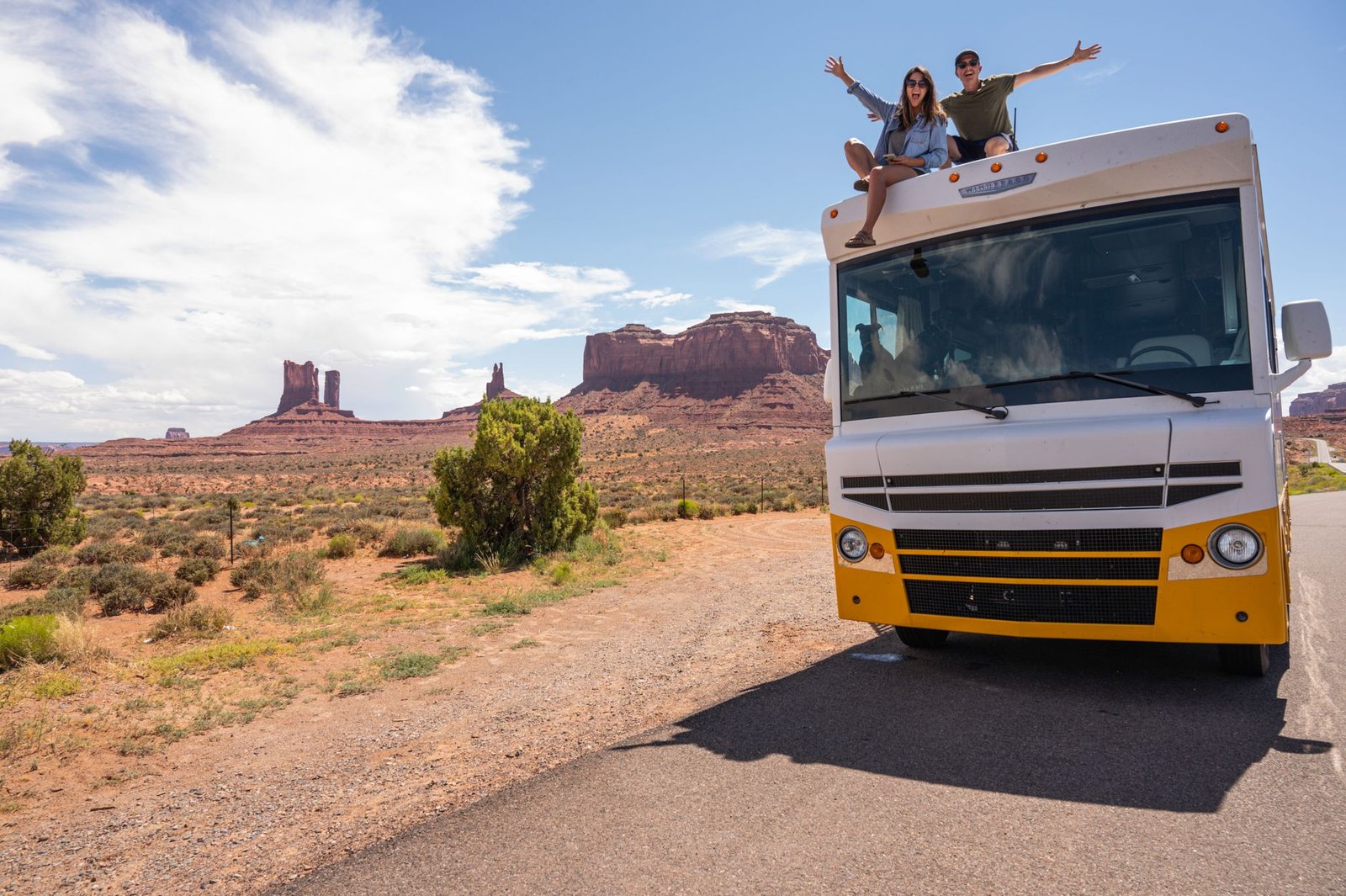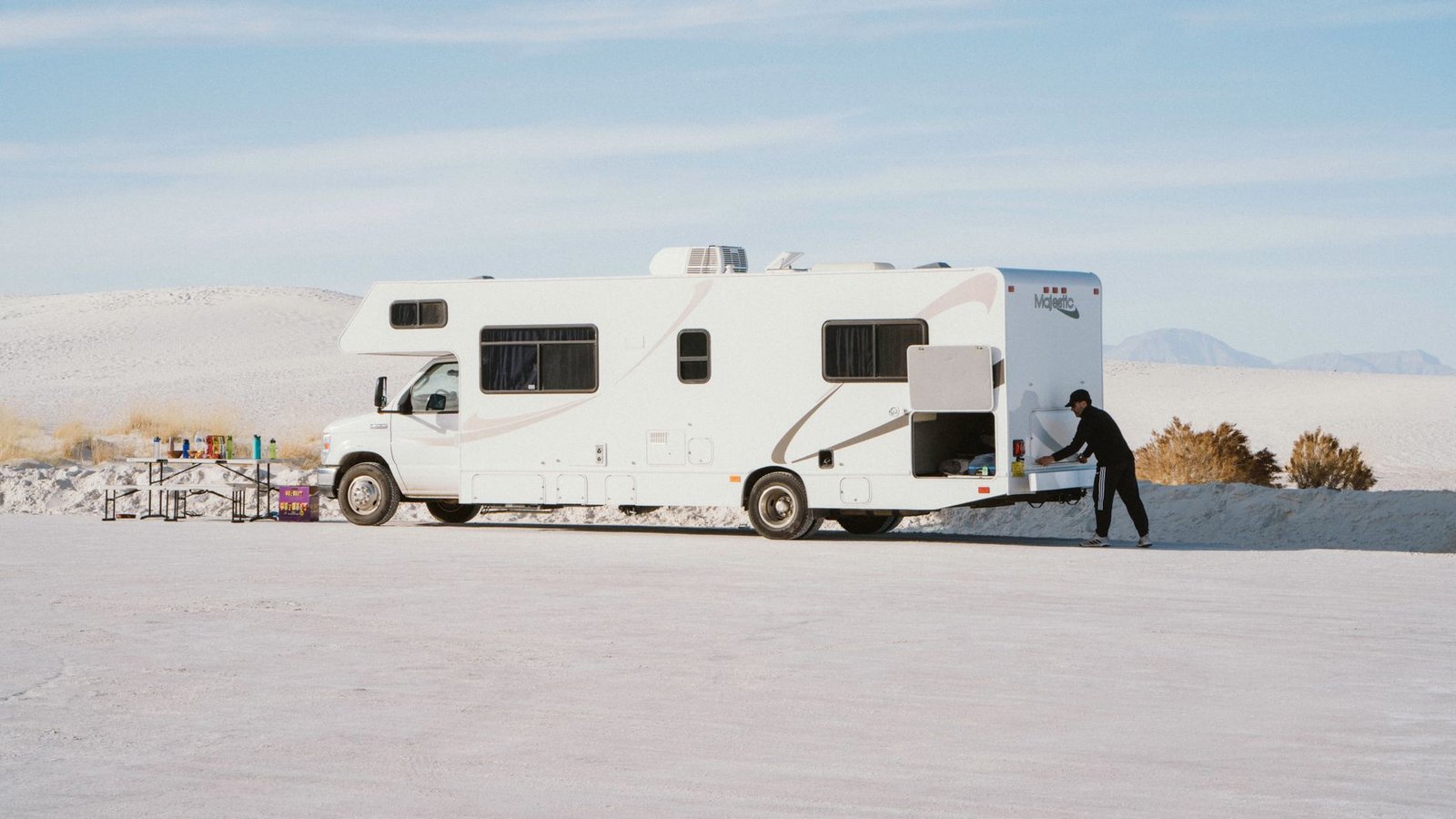
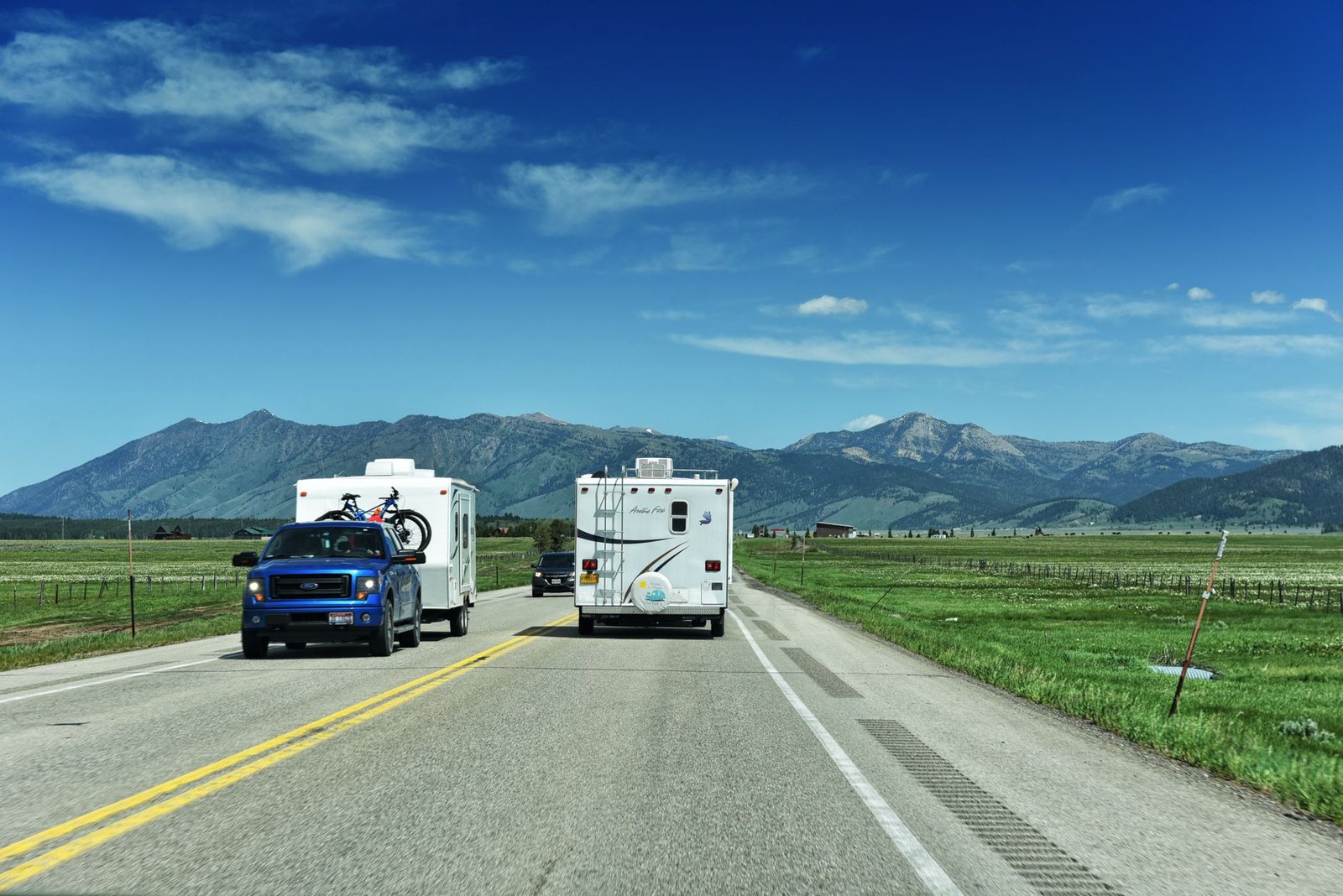
If you are towing a travel trailer, fifth wheel, or navigating a large motorhome through Yellowstone National Park in late August 2026, you must adjust your travel plans immediately. A critical advisory issued by the National Park Service (NPS) on August 21, 2026, warns of severe congestion, strict width limitations, and nightly road closures at major arterial bridges. As road crews scramble to complete heavy structural work before the autumn freeze, the resulting bottlenecks are creating massive headaches for RVers ahead of the busy Labor Day travel rush.
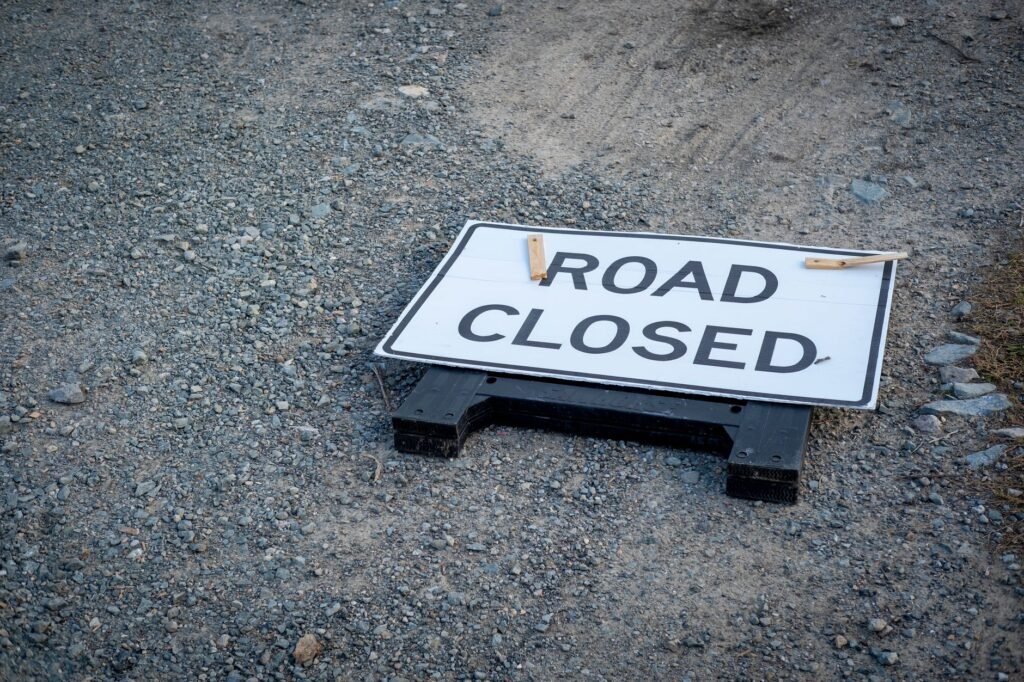
The core of the issue lies in two massive, multi-year infrastructure projects: the replacement of the Lewis River Bridge on the South Entrance Road and the Yellowstone River Bridge near Tower-Roosevelt. To keep traffic moving, the park has implemented temporary bypasses, single-lane alternating traffic patterns, and strict dimensional limits. For passenger cars, these zones are a minor inconvenience; for long, wide, and heavy tow vehicles, they represent highly challenging driving corridors that require expert preparation and strategic route planning.
The Late August 2026 Yellowstone Construction Crisis: What RVers Need to Know
The timing of this fresh alert is no coincidence. Late August brings cool mountain air but also represents the final push for western highway crews. In Yellowstone, the construction season is incredibly short. Structural concrete pours and heavy steel girder placement must be completed before the high-altitude winter weather sets in by late September. Consequently, the NPS and the Federal Highway Administration have ramped up construction activity, resulting in tighter lane restrictions and expanded nightly closures.
According to the official Yellowstone National Park Road Construction advisory, the active construction zones are experiencing peak delays of 30 minutes or more during the day. However, for RVers, the physical space constraints are far more concerning than the lost time. The temporary bypasses are incredibly narrow, leaving little room for error when towing wide-body campers. Heavy enforcement of width and weight limits is active, and drivers who fail to plan risk getting turned around at park entrances or, worse, damaging their rigs on concrete barriers.
Yellowstone RV Road Closures & Construction At-A-Glance
To help you navigate the park without getting trapped in a bottleneck, use this quick-reference table outlining the active construction zones, their locations, typical delays, and the specific restrictions facing RV and travel trailer owners.
| Construction Zone | Affected Route | Delays & Closures | RV & Trailer Restrictions | Recommended Bypass Route |
|---|---|---|---|---|
| Lewis River Bridge | South Entrance Road (Between South Entrance & Grant Village) | 20-30 minute daytime delays; nightly closures from 10:00 PM to 6:00 AM | Strict 11-foot lane width limit; no over-width loads; tight gravel bypass | Use the West Entrance (US-20 / US-191) to access the park loop |
| Yellowstone River Bridge | Northeast Loop Road (Near Tower Junction) | Up to 30-minute delays; single-lane alternating traffic | Narrow temporary bridge deck; slow speed limits; high clearance advised | Use the North Entrance (Gardiner) or East Entrance (Cody) |
| Dunraven Pass Corridor | North-South Loop Connection (Canyon to Tower) | Periodic staging delays; heavy construction vehicle traffic | Not recommended for trailers over 30 feet due to steep mountain switchbacks | Route through West Thumb and Lake Junction to navigate north-to-south |
Navigating the Lewis River Bridge Construction Zone with a Trailer
The Lewis River Bridge project, located on the South Entrance Road just north of the park boundary, is the primary corridor for RVers traveling between Grand Teton National Park and Yellowstone. This makes it one of the busiest routes in the region, and currently, one of the most hazardous for long trailer setups.
The key challenge here is the 11-foot lane width restriction. A standard modern travel trailer or fifth wheel is 8.5 feet (102 inches) wide. When you add towing mirrors, your total width can easily exceed 9.5 feet. Navigating a 10-foot-wide rig through a winding, barrier-lined 11-foot lane leaves less than a foot of clearance on either side. This requires intense concentration, a steady hand, and slow speeds. Tire scrubbing against the concrete K-rail barriers is a common cause of sidewall damage and blowouts in this zone.
Furthermore, the nightly closures between 10:00 PM and 6:00 AM present a logistical trap. Boondocking, overnight parking, and dispersed camping are strictly prohibited in Yellowstone’s pullouts and parking lots. If you arrive at the South Entrance after 10:00 PM hoping to transit to your campground, you will be turned away. Because turning a 30-foot trailer around on a narrow mountain road in the dark is incredibly hazardous, you must ensure you clear this gate well before the nightly shutdown.
Finally, keep an eye on your vehicle’s mechanical health. The approach to the Lewis River Bridge from the south is a steady uphill grade. Waiting in an idling queue for 30 minutes in summer heat, followed by a slow, high-torque crawl through the gravel bypass, puts extreme stress on your transmission. Keep your tow vehicle in a lower gear, monitor your transmission fluid temperatures, and turn off your air conditioning if the engine temperature gauge begins to climb.
Yellowstone River Bridge Upgrades: Tower Junction Bottlenecks
On the northern side of the park, the Yellowstone River Bridge replacement project near Tower Junction is causing significant delays for travelers entering from the Northeast Entrance (via the Beartooth Highway) or moving along the northern loop toward Mammoth Hot Springs. This area is characterized by steep canyon drop-offs, sharp curves, and a high volume of heavy construction trucks.
The current bypass utilizes a temporary bridge deck that is narrow and features abrupt transitions from asphalt to gravel. For travel trailers, these uneven surfaces can trigger severe trailer sway if crossed at speed. It is crucial to reduce your speed to the posted construction limits—often 10 or 15 mph—and ensure your trailer brakes are properly adjusted to prevent the trailer from pushing your tow vehicle on the steep downhill approaches.
Another unique factor in this northern corridor is the high concentration of wildlife. Tower Junction and the nearby Lamar Valley are famous for bison, grizzly bears, and elk. When an animal wanders near the road, it triggers an “animal jam” of tourists stopping to take photos. When combined with the existing single-lane construction alternating traffic, a standard 20-minute delay can easily balloon into a multi-hour gridlock. Always ensure your tow vehicle has a full tank of fuel before heading into this section of the park, as idling with a heavy load drains fuel rapidly.
Strategic Alternate Routes: How to Bypass the Yellowstone Delays
For many RV and trailer owners, the safest and most stress-free strategy is to bypass the construction zones entirely. Depending on your direction of travel, several highly viable alternative routes offer wider lanes, gentler grades, and fewer bottlenecks.
The West Entrance Route (US-191)
If you are traveling from the south (such as Salt Lake City or Jackson, Wyoming) and heading toward the central or northern parts of Yellowstone, consider bypassing the South Entrance and the Lewis River Bridge entirely. Instead of driving north through Grand Teton, route west from Jackson toward Idaho on US-26/US-89, then head north on ID-33 and US-191 through Victor, Driggs, and Ashton, eventually arriving at the West Entrance in West Yellowstone, Montana.
This route is flatter, has significantly wider shoulders, and brings you into the park at a central location that avoids both major bridge construction zones. While it adds miles to your odometer, it often saves time by avoiding the stop-and-go mountain traffic of the South Entrance. If you do choose this route, be sure to review the Teton Pass Towing Restrictions. Teton Pass (WY-22) has strict seasonal trailer bans and weight limits, meaning heavy rigs must use the flatter bypass routes through Idaho via US-26.
The East Entrance Route (US-14 / US-16 / US-20)
If you are approaching Yellowstone from the east, entering through Cody, Wyoming, and utilizing the East Entrance is an excellent option. This route takes you over Sylvan Pass and delivers you directly to Yellowstone Lake. From there, you can easily navigate the western and southern loops of the park without crossing the Yellowstone River Bridge or the Lewis River Bridge construction areas. However, Sylvan Pass features steep grades and sharp curves that require sound mountain driving techniques. Ensure you are familiar with downhill engine braking to prevent brake fade on the descent.
Essential Pre-Trip Safety Checklist for Yellowstone RVers
Before you queue up at a park entrance, run through this targeted safety checklist to ensure your rig is prepared for the unique stresses of Yellowstone’s active construction zones.
- Calibrate Your Trailer Brake Controller: Stop-and-go driving on steep mountain construction approaches requires perfectly synchronized braking. Adjust your controller gain so the trailer brakes engage smoothly without locking up or pulling. For deep insights on managing high grades, review our 2026 Mountain Towing Guide.
- Inspect Your Tow Vehicle Cooling System: Extended idling with a heavy load can cause rapid engine and transmission overheating. Ensure your coolant levels are topped off and your radiator is free of debris.
- Secure Interior Cargo: The transition zones onto temporary gravel bypasses are rough and bumpy. Double-check that all cabinet latches, refrigerator doors, and loose counter items in your trailer are fully secured to prevent interior damage.
- Verify Tire Pressures and Hub Temperatures: Low tire pressure increases the risk of a blowout, especially when driving on the rough, unpaved surfaces found in active construction zones. Check all tires when cold and monitor your wheel bearings for signs of overheating.
- Download the Official NPS App: Cellular service inside Yellowstone is highly spotty or non-existent. Download the official NPS app and save the Yellowstone map for offline use. This allows you to check real-time road status and construction updates even when you lose cell signal.
Campground Access Updates & Peak Travel Tips
The construction delays at the Lewis River and Yellowstone River bridges have a direct impact on campground accessibility. If you have reservations at Grant Village Campground, Bridge Bay Campground, or Mammoth Hot Springs, you must factor the construction bottlenecks into your arrival window.
Campground check-in desks typically experience their highest volumes between 1:00 PM and 5:00 PM. During these hours, the traffic backups at the bridge construction zones are also at their worst. Getting stuck in a 45-minute delay can push your arrival past dusk, making backing your trailer into a tight, tree-lined campsite incredibly difficult. To avoid this, aim to pass through the construction zones before 9:00 AM or after 6:00 PM, when traffic volumes are significantly lower.
Always consult the official Yellowstone Park Conditions page and the Yellowstone Alerts page before unhitching your rig or starting your daily drive. By staying informed, adjusting your route, and keeping your towing safety equipment in top shape, you can enjoy the breathtaking wonder of Yellowstone without getting caught in the construction grind.
Frequently Asked Questions
What are the main RV width and height restrictions in Yellowstone during the 2026 construction?
The narrowest construction bypass is at the Lewis River Bridge on the South Entrance Road, which has a strict lane width limit of 11 feet. RVers towing wide-body trailers must exercise extreme caution.
Are there any overnight road closures in Yellowstone for RVs?
Yes, the South Entrance Road at the Lewis River Bridge is completely closed to all traffic nightly from 10:00 PM to 6:00 AM. Since overnight boondocking in park pullouts is illegal, RVers must plan to arrive well before the gate closes.
How can I bypass the Lewis River Bridge construction delays?
The best bypass for large rigs coming from the south is to route west from Jackson Hole through Idaho via US-26 and ID-33, then head north on US-191 to enter through the West Entrance (West Yellowstone), which is flatter and avoids construction.