The Teton Pass Crisis: Why New Trailer Restrictions Are Under Debate
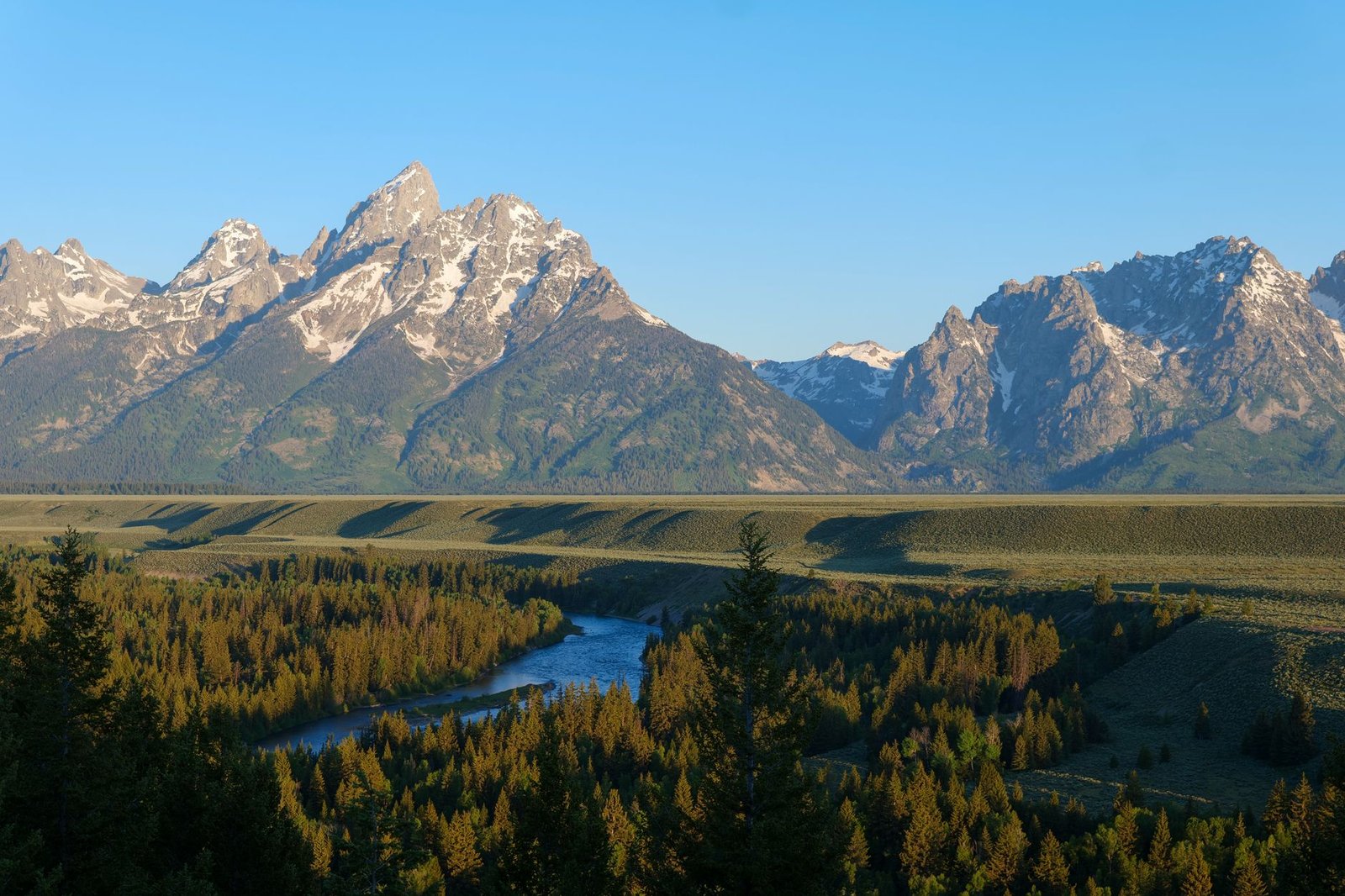
Teton Pass, located on Wyoming State Highway 22 (WYO 22) between Victor, Idaho, and Jackson, Wyoming, is one of the most scenic yet terrifying mountain passes in North America. Boasting a continuous 10% grade and tight switchbacks, it is a formidable challenge for even the most experienced truck drivers and RVers. Recently, local safety advocates and mountain residents formed a coalition urging the Wyoming Department of Transportation (WYDOT) to establish immediate, year-round trailer restrictions on the pass, as reported by local news agency Buckrail.
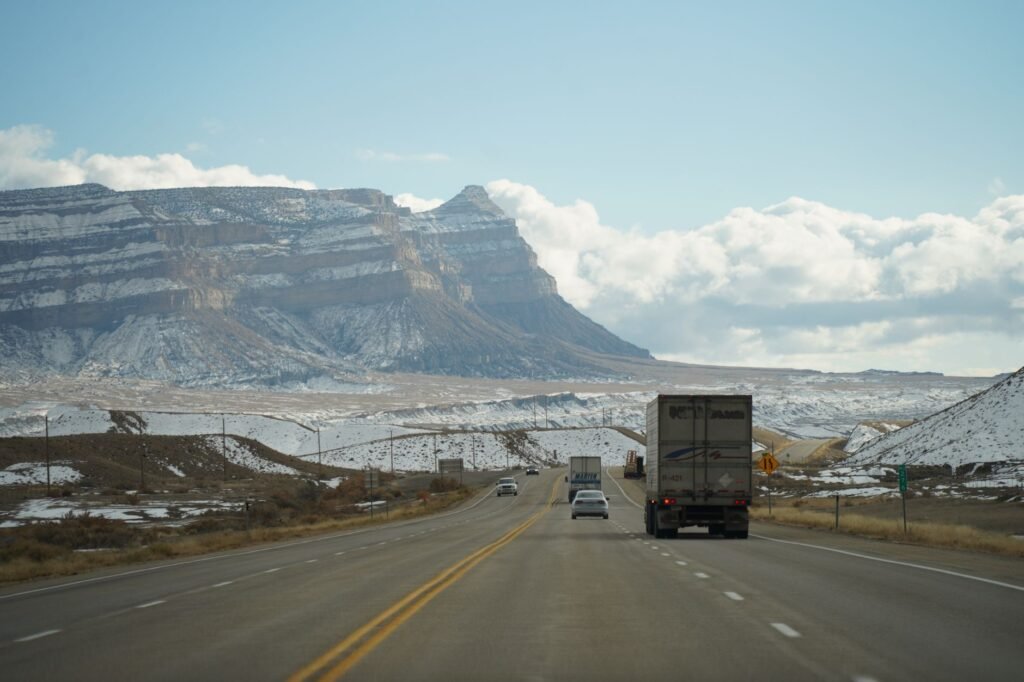
This renewed push follows a surge in recreational trailer incidents during the peak summer travel season. Runaway travel trailers, smoked brakes, and near-misses at the runaway truck ramps have prompted local authorities to reconsider who should be allowed to tow over this extreme route. If the coalition’s proposals are adopted, hundreds of RVers and commercial flatbed operators daily will need to alter their routes to bypass the pass entirely.
For RVers and trailer owners, understanding the active Teton Pass towing restrictions is not just a matter of avoiding a steep traffic fine—it is a matter of life and death. Navigating a 10% descent with several thousand pounds behind your vehicle requires specialized hardware, a disciplined driving technique, and sometimes, the wisdom to take the long way around.
Understanding WYO 22: What Makes Teton Pass So Dangerous for Towing?
Teton Pass reaches an elevation of 8,431 feet at its summit. While mountain highway standards established by the federal government typically cap interstate grades at 6%, Teton Pass features sustained stretches of 10% incline and decline. When towing a heavy travel trailer or fifth wheel, gravity works against you with extreme force.
The Extreme 10% Grade Challenge
To put a 10% grade into perspective, a vehicle drops 10 feet vertically for every 100 feet of forward movement. Over several miles of descent, this constant downward pull places immense kinetic energy on your tow vehicle’s braking system. Without proper engine braking, standard friction brakes will quickly overheat, glaze over, and fail completely.
The Hidden Threat: Brake Fade and Runaway Scenarios
Brake fade occurs when the friction components of your vehicle’s brakes become so hot that they can no longer generate the necessary stopping force. The brake pedal will feel spongy or hard, and a distinct, acrid burning smell will fill the cabin. Once brake fade sets in, stopping a heavy trailer is nearly impossible without utilizing one of the pass’s gravel runaway truck ramps. For a look at how to ensure your brakes are always up to par before hitting these grades, review our 2026 trailer towing safety checklist.
Current WYDOT Regulations vs. Proposed 2026 Restrictions
Currently, WYDOT enforces strict seasonal weight and length limits on WYO 22, primarily targeting commercial vehicles and winter travelers. However, the newly proposed safety coalition guidelines aim to restrict recreational trailers during peak summer high-traffic periods to alleviate congestion and eliminate catastrophic brake-failure accidents.
| Regulatory Factor | Current WYDOT Rules | Proposed Safety Coalition Restrictions |
|---|---|---|
| Winter Trailer Ban | Absolutely closed to trailers from Nov 15 to April 1. | Maintain winter ban; expand enforcement. |
| Maximum Weight Limit | Vehicles over 60,000 lbs GVWR are strictly prohibited. | Lower maximum weight limit to 40,000 lbs GVWR year-round. |
| Recreational Trailer Access | Allowed during summer months with proper safety gear. | Complete ban on travel trailers and fifth wheels over 26 feet during peak hours (10:00 AM – 6:00 PM) in summer. |
| Fines for Violations | Up to $435 for failing to adhere to pass closures or limits. | Increase fines to $1,500+ and implement mandatory points on driver’s licenses. |
While WYDOT has yet to officially codify the coalition’s summer bans into state law, safety patrols have increased dramatically along WYO 22. Drivers attempting to tow large, overloaded fifth wheels or double-axle travel trailers over the pass are frequently pulled over for safety inspections, and are highly advised to seek alternative routes.
Safe Mountain Towing Protocols: How to Navigate Extreme Grades
If you must pull a trailer over a steep mountain pass, you must rely on physics rather than your brake pedal. The National Highway Traffic Safety Administration (NHTSA) stresses that proper weight distribution, brake control adjustment, and low-gear transmission settings are critical for safe mountain descents.
Mastering the Engine Braking and Tow/Haul Modes
Never coast down a mountain pass in neutral or high gear. Before you begin your descent at the summit of Teton Pass, shift your tow vehicle into a low gear (1st or 2nd gear for automatic transmissions, or engage “manual mode”). This forces the engine to compress air, creating resistance that naturally slows the vehicle. This process is known as engine braking. Additionally, always engage your vehicle’s Tow/Haul Mode, which recalibrates the transmission shift points to maximize engine braking automatically during downhill stretches.
The “Snubbing” Braking Technique
If your speed starts to creep up despite engine braking, do not lightly ride your brakes to keep it steady. Continuous light braking is the fastest way to cause brake fade. Instead, use the “snubbing” technique:
- Let your vehicle accelerate to your maximum safe descent speed (e.g., 25 mph).
- Apply firm, decisive pressure to the brakes to quickly reduce your speed by 5 to 7 mph (down to 18 mph). This should take no more than 3 to 5 seconds.
- Release the brakes completely, allowing them to cool in the rushing air while the engine braking holds the vehicle’s speed.
- Repeat this process once your speed climbs back up to your maximum safe limit.
To learn more about optimizing your vehicle’s descent parameters, check out our comprehensive mountain towing guide.
Safer Alternatives: How to Bypass Teton Pass When Towing
For most RVers, the best way to handle Teton Pass towing restrictions is to avoid WYO 22 altogether. Navigating the pass with a combined weight of over 10,000 pounds is incredibly stressful, hard on your tow vehicle’s transmission, and highly risky. Fortunately, there is a much safer, albeit slightly longer, route that bypasses the steep 10% grades entirely.
The Snake River Canyon Route (US-26 / US-89)
Instead of taking WYO 22 over Teton Pass, drivers traveling between Idaho and Jackson, Wyoming, should route through Swan Valley and the Snake River Canyon. This route follows US-26 East out of Idaho, merging into US-89 North through Alpine, Wyoming, and heading directly into Jackson.
- Maximum Grade: Mostly flat to rolling hills, rarely exceeding 4% grade.
- Road Conditions: Wide lanes, excellent visibility, and multiple pullouts.
- Time Difference: Adds approximately 30 to 45 minutes to your trip, but saves hours of wear and tear on your brakes and transmission.
- Scenic Value: Extremely beautiful route that winds directly along the Snake River, offering safe places to stop and enjoy the view with a trailer.
Pre-Mountain Safety Check: Is Your Rig Ready?
Before attempting any mountain highway, a thorough inspection of your towing setup is mandatory. If a component is on the verge of failing, a steep grade will surely push it over the edge.
- Check Brake Pad Thickness: Verify that both your tow vehicle and trailer brake pads have ample friction material. Glazed or thin pads must be replaced immediately.
- Calibrate the Trailer Brake Controller: Adjust your brake controller’s gain setting on a flat surface before ascending. The trailer brakes should grab firmly without locking up when you manual-squeeze the controller.
- Inspect Trailer Tires: Heavy downhill braking transfers a massive amount of weight to the trailer’s front axle and tires. Ensure tires are inflated to the manufacturer’s maximum cold PSI and show no signs of dry rot.
- Verify Hitch Integrity: Ensure your safety chains, breakaway cable, and hitch receiver are fully secured. A breakaway cable is your last line of defense should a coupling failure occur on a steep descent.
By preparing your rig diligently and respecting the extreme geography of the Mountain West, you can keep your family, your trailer, and your fellow motorists safe on the road.
Frequently Asked Questions
Are trailers allowed on Teton Pass right now?
Trailers are allowed on Teton Pass (WYO 22) during the summer months, provided the vehicle weight is under 60,000 lbs. However, they are strictly prohibited during the winter season (November 15 to April 1). Safety coalitions are currently pushing for tighter summer restrictions on large recreational trailers.
What is the grade of Teton Pass?
Teton Pass features a sustained 10% grade on both its eastern and western approaches, making it one of the steepest paved highway passes in the United States.
What is the safest alternative route to bypass Teton Pass?
The safest alternative for RVs and trailers is the Snake River Canyon route. Take US-26 East from Idaho to Alpine, Wyoming, and then proceed North on US-89 into Jackson. This route avoids the 10% grades entirely.
What should I do if my brakes fail on Teton Pass?
If you experience complete brake failure, shift into your lowest possible gear to maximize engine braking, alert other drivers with your hazard lights, and steer your vehicle into one of the designated gravel runaway truck ramps located along the descent.
Frequently Asked Questions
Are trailers allowed on Teton Pass right now?
Trailers are allowed on Teton Pass (WYO 22) during the summer months, provided the vehicle weight is under 60,000 lbs. However, they are strictly prohibited during the winter season (November 15 to April 1). Safety coalitions are currently pushing for tighter summer restrictions on large recreational trailers.
What is the grade of Teton Pass?
Teton Pass features a sustained 10% grade on both its eastern and western approaches, making it one of the steepest paved highway passes in the United States.
What is the safest alternative route to bypass Teton Pass?
The safest alternative for RVs and trailers is the Snake River Canyon route. Take US-26 East from Idaho to Alpine, Wyoming, and then proceed North on US-89 into Jackson. This route avoids the 10% grades entirely.
What should I do if my brakes fail on Teton Pass?
If you experience complete brake failure, shift into your lowest possible gear to maximize engine braking, alert other drivers with your hazard lights, and steer your vehicle into one of the designated gravel runaway truck ramps located along the descent.