
The End of the CAT Scale Era: Introducing the Unified Digital Hitch Standard
For decades, the most stressful part of any RV trip wasn’t the narrow mountain passes or the tight campground turns; it was the uncertainty of weight. Every responsible RVer knows the routine: packing the rig, driving to a truck stop, waiting in line for a CAT scale, and hoping the tongue weight hasn’t pushed the tow vehicle over its Gross Axle Weight Rating (GAWR). As of August 1, 2026, that era is officially beginning to sunset.
The Unified Digital Hitch Standard (UDHS), a collaborative breakthrough between the National Highway Traffic Safety Administration (NHTSA) and major automotive manufacturers, has transitioned from a proposed concept to an industry-wide implementation. This protocol allows for seamless, real-time data communication between a trailer’s chassis and a truck’s infotainment system. It is no longer just about knowing if your trailer is attached; it is about knowing exactly how that trailer is behaving and how much it weighs at every moment of your journey.
This development is particularly timely for those looking at 2027 model-year vehicles, many of which are being unveiled this week. For the first time, hitch technology is moving beyond the mechanical to the digital, promising to make towing safer for novices and experts alike.
What is the Unified Digital Hitch Standard (UDHS)?
The Unified Digital Hitch Standard is a standardized software and hardware protocol (ISO 23150:2026) that enables a tow vehicle to read data from sensors embedded in the trailer’s hitch assembly, suspension, and braking system. Think of it as ‘plug-and-play’ for towing safety. Unlike previous proprietary systems that only worked if you had a specific brand of truck and a specific brand of trailer, UDHS-compliant components are designed to talk to each other regardless of the manufacturer.
The system relies on three primary components:
- The Smart Pin: A reinforced hitch pin equipped with strain gauges that measure vertical tongue weight in real-time.
- The Data Link: An upgraded 7-way connector (or a wireless Bluetooth Mesh secondary link) that transmits data packets to the truck’s Engine Control Unit (ECU).
- The HUD Integration: A software dashboard on the truck’s center console that displays payload, tongue weight, and balance alerts.
By standardizing these components, the industry is moving toward a future where ‘guessing’ your weight distribution is a thing of the past. This technology builds directly upon the foundational safety principles discussed in our guide on Trailer Towing and Weight Calculations, but automates the process to eliminate human error.
Why Real-Time Weight Monitoring Matters in 2026
Weight is the single most critical factor in towing safety. An improperly balanced trailer is the leading cause of trailer sway, tire blowouts, and braking failure. In the past, a trailer might be within its weight limits when it leaves the driveway, but as water tanks empty and gear is shifted during a cross-country move, the center of gravity changes.
The UDHS provides dynamic monitoring. If you are driving down the I-70 and a sudden shift in your cargo causes the tongue weight to drop below the safe 10% threshold, the UDHS will trigger an immediate dashboard alert. This proactive approach allows the driver to pull over and adjust the load before a dangerous sway incident occurs. It works in tandem with the New 2026 Trailer Sway Control Standards to create a multi-layered safety net.
Key Benefits of UDHS Implementation
- Instant Payload Calculation: The truck automatically subtracts the tongue weight from its available payload, telling you exactly how much ‘room’ you have left for passengers and gear.
- Legal Compliance: Many states are increasing roadside inspections for overloaded RVs; UDHS provides a digital log proving you are within your legal limits.
- Insurance Perks: Several major US insurers have announced premium discounts for owners of UDHS-compliant rigs, citing the reduced risk of jackknife accidents.
2027 Truck Compatibility: Who is Leading the Charge?
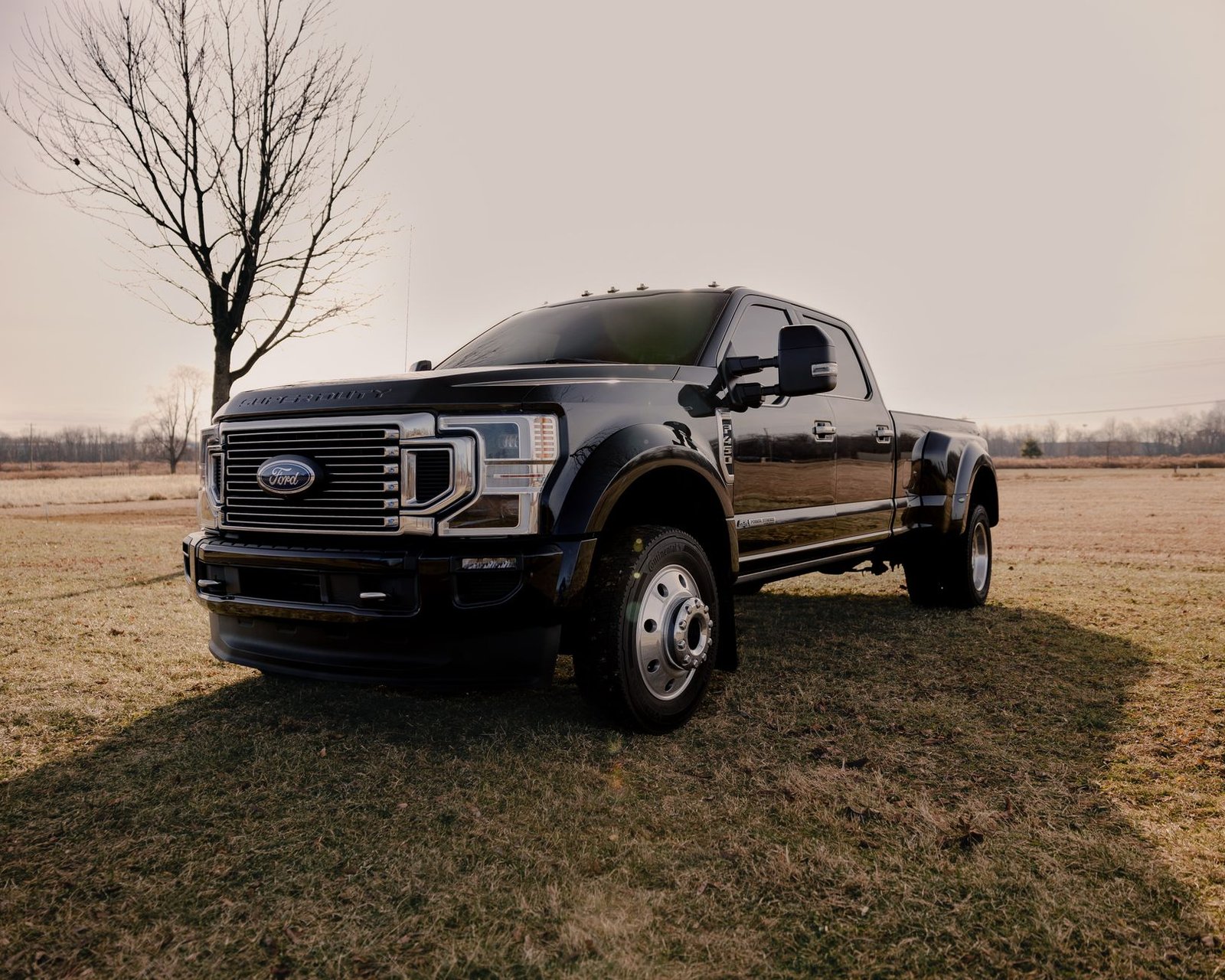
While the standard was finalized in late July 2026, manufacturers have been preparing for this shift for over a year. Most 2027 Heavy Duty (HD) trucks hitting showroom floors this fall will include UDHS-ready hardware as standard equipment on towing packages. Half-ton pickups are expected to follow by the mid-2027 model year update.
| Manufacturer | 2027 Model Status | UDHS Feature Set |
|---|---|---|
| Ford | Standard on F-250+ | Integrated ‘Smart Hitch’ display with dynamic load leveling. |
| Chevrolet/GMC | Standard on Silverado/Sierra 2500+ | Advanced Trailering System with UDHS-to-Mobile sync. |
| RAM | Optional on 1500, Std on 2500+ | Predictive Sway Analysis using UDHS weight data. |
| Toyota | Tundra (Optional) | Real-time GAWR monitoring for Tundra Hybrid models. |
For those shopping for a new vehicle this month, it is vital to ask dealers specifically about ‘UDHS Compliance’ rather than just ‘Towing Capacity.’ A truck with a 20,000-lb capacity is useless if it cannot tell you that your 15,000-lb trailer is dangerously unbalanced.
How to Retrofit Older Trailers for the New Standard
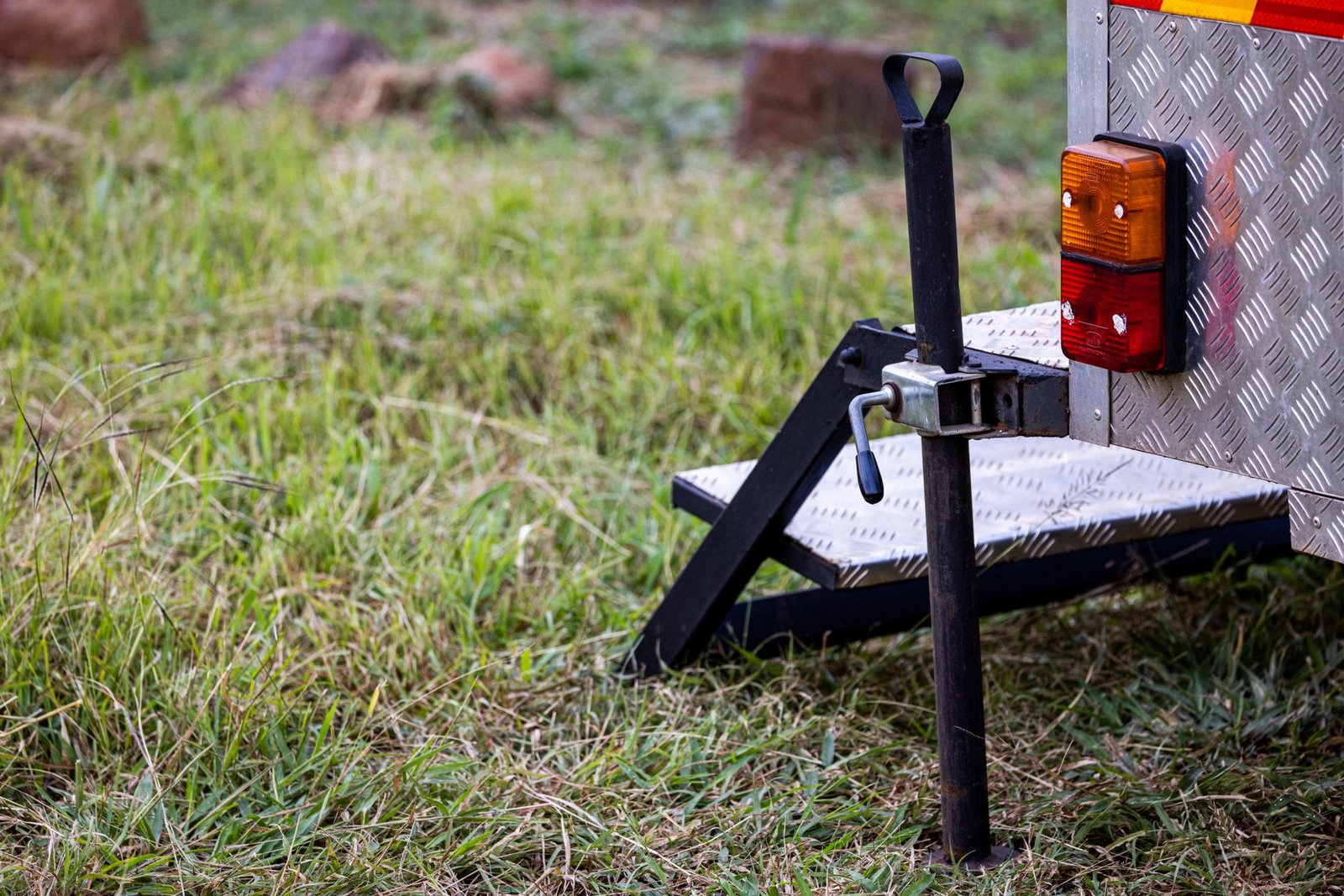
You do not need to buy a brand-new 2027 travel trailer to take advantage of these safety features. The RV aftermarket is already flooded with UDHS retrofit kits. These kits typically replace the standard coupler with a ‘Smart Coupler’ and include a wiring harness that plugs into the existing 7-way port.
Step 1: Inspect Your Current Hitch. Before purchasing a kit, ensure your trailer’s frame can accommodate the strain-gauge sensors. Most steel A-frame trailers are compatible.
Step 2: Choose Your Data Path. If your truck is older (pre-2026), you will need a kit that includes a wireless dashboard display. If you have a newer 2026 or 2027 truck, you can use the wired 7-way ‘Data-Over-Power’ (DoP) connection to feed info directly to your factory screen.
Step 3: Professional Calibration. While many kits are marketed as DIY, the initial calibration of the strain gauges is critical. It is recommended to have this done at a certified trailer repair shop to ensure the weight readings are accurate to within 1%.
The Role of AI and Predictive Towing
The data generated by the Unified Digital Hitch Standard isn’t just for display; it’s the fuel for the next generation of AI-assisted driving. 2027 trucks are beginning to use this real-time weight data to adjust transmission shift points, braking pressure, and even adaptive cruise control follow-distances.
For example, if the UDHS detects a heavy load on a 6% downhill grade, the truck’s AI will automatically increase engine braking and pre-charge the trailer’s electronic brakes. This level of integration was impossible when the truck ‘guessed’ the weight based on engine load. Now, with hard data from the hitch, the vehicle can make millisecond decisions that prevent brake fade and overheating.
Summary Checklist for 2026/2027 RV Buyers
As the fall camping season approaches, keep this checklist in mind to stay ahead of the UDHS curve:
- Verify Compliance: When buying a 2027 truck, confirm it supports the UDHS protocol via the 7-way connector.
- Check Your Coupler: If purchasing a new trailer, look for the ‘UDHS-Ready’ badge, which indicates pre-installed strain gauges.
- Update Your Software: If you already own a 2026 model with smart towing features, check for an over-the-air (OTA) update that may enable UDHS compatibility.
- Recalibrate Seasonally: Just like tire pressure, hitch sensors can drift. Recalibrate your system at the start of every season.
The Unified Digital Hitch Standard represents the most significant leap forward in towing safety since the invention of the electric trailer brake. By turning the humble hitch into a data-gathering powerhouse, the industry is ensuring that the 2026 and 2027 seasons will be the safest on record for the American road tripper. Whether you are a full-timer or a weekend warrior, this technology offers something priceless: the peace of mind that comes with knowing your rig is perfectly balanced for the road ahead.
Frequently Asked Questions
Is the Unified Digital Hitch Standard mandatory for all trailers?
No, it is not mandatory for older trailers. However, as of August 1, 2026, it is the new manufacturing standard for 2027 model-year luxury travel trailers and heavy-duty trucks.
Can I use a UDHS truck with an older, non-digital trailer?
Yes. UDHS trucks are backward compatible with standard 7-way trailers. You simply won’t receive the real-time weight data on your dashboard unless you install a retrofit kit on the trailer.
Does UDHS replace weight distribution hitches?
No. UDHS monitors the weight, but a weight distribution hitch is still required to physically shift that weight to the front axle. However, UDHS will tell you exactly how well your weight distribution hitch is performing.