As millions of RVers pack their rigs and map out their final summer getaways for the upcoming Labor Day weekend, a severe late-summer heatwave and prolonged drought have prompted federal land management agencies to take drastic measures. On August 24 and 25, 2026, the U.S. Forest Service, in coordination with state forestry departments, issued a wave of updated emergency forest orders across the Western United States. These mandates enforce strict National Forest campfire restrictions designed to prevent human-caused wildfires during one of the busiest outdoor recreation weekends of the year.
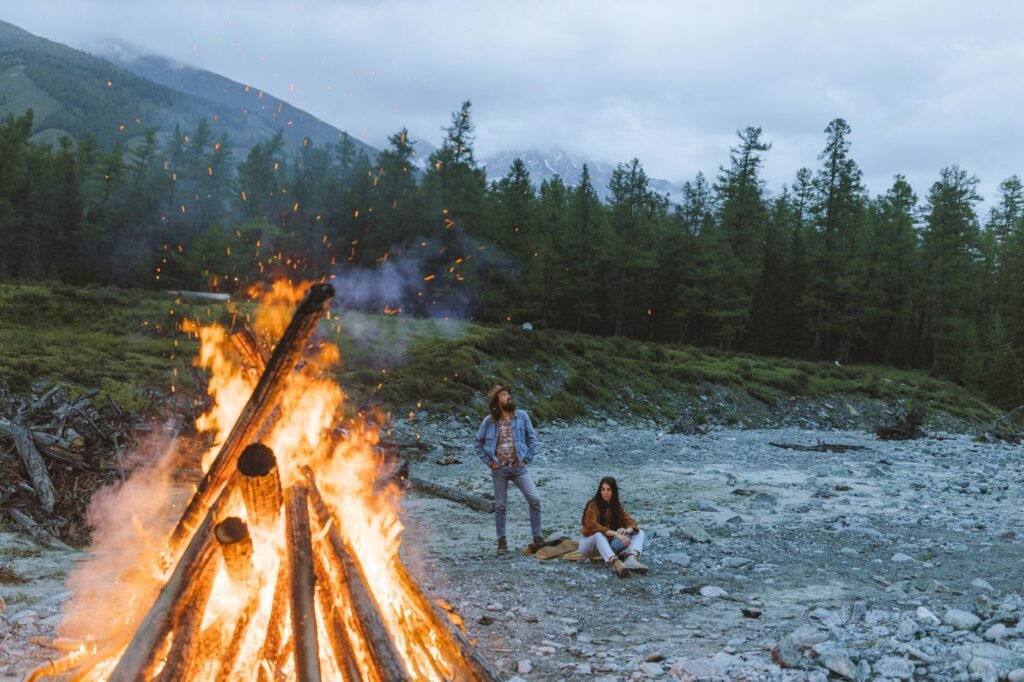
For travel trailer owners, motorhome enthusiasts, and off-grid boondockers, these restrictions are not merely suggestions—they are heavily enforced federal laws. From the timberlines of the Pacific Northwest to the dry woodlands of California and the Rocky Mountains, violating these rules can result in massive fines, vehicle impoundment, or even criminal charges. Understanding what is permitted, what is banned, and how to safely operate your RV equipment is essential to protecting both your holiday plans and the public lands we cherish.
Why Campfire Restrictions Are Tightening for Labor Day 2026
The transition from late August into early September is historically one of the most volatile periods of the wildfire season. According to the latest data from the National Interagency Fire Center (NIFC), fuel moisture levels in living plants and dead wood across millions of acres have dropped to critical single-digit percentages. When combined with high-wind events and low relative humidity, a single stray spark can grow into an uncontainable firestorm within minutes.
To mitigate this risk, the U.S. Forest Service utilizes a tiered fire restriction system. These restrictions are enacted dynamically based on local weather forecasts, fuel dryness, and the availability of firefighting resources. Because holiday weekends draw unprecedented crowds into undeveloped public lands, rangers are on high alert, and patrol units will be actively monitoring both developed campgrounds and dispersed camping areas throughout the holiday period.
The Fire Restriction Hierarchy: Stage 1 vs. Stage 2 vs. Stage 3
To avoid confusion at the campground, RVers must understand the specific rules associated with each level of fire restriction. Standard protocols differ significantly between stages, and local forest supervisors have the authority to customize these orders based on regional terrain and weather patterns.
| Restriction Stage | Wood & Charcoal Fires | Propane & Gas Devices | RV Generator Operation | Permitted Areas |
|---|---|---|---|---|
| Stage 1 | Allowed ONLY in developed site metal fire rings. | Allowed with a manual shut-off valve and 10-foot clearance. | Allowed with USDA-approved spark arrestor. | Moderate-risk zones; standard campgrounds. |
| Stage 2 | BANNED completely (all wood, coal, and charcoal). | Allowed with a manual shut-off valve and 10-foot clearance. | Restricted to designated hours; banned during red flags. | High-risk zones; extensive dispersed camping tracts. |
| Stage 3 (Closure) | Banned; public entry prohibited. | Banned; public entry prohibited. | Banned; public entry prohibited. | Active fire zones or extreme-risk corridors. |
Stage 1 Restrictions: Developed Site Exceptions
Under Stage 1 restrictions, you are prohibited from building, maintaining, attending, or using a fire, campfire, or charcoal stove outside of a developed recreation site. This means that if you are boondocking on dispersed public lands, wood and charcoal fires are entirely illegal. However, if you have booked a campsite at an official, developed campground with designated steel fire rings provided by the forest service, you may still enjoy a traditional wood campfire. Ensure you have consulted our Recreation.gov reservation tips to confirm whether your reserved campground has specific extra rules regarding firewood sourcing and ash disposal.
Stage 2 Restrictions: Absolute Bans on Open Flame
When fire danger reaches extreme levels, agencies elevate the order to Stage 2. At this level, all wood, charcoal, and coal fires are banned across the entire forest—including within developed campgrounds, picnic areas, and cabins. No exceptions are made for commercial charcoal briquettes or firewood bundles sold at camp stores. The only heat sources permitted are pressurized liquid or gas devices (such as propane camp stoves, lanterns, or portable propane fire bowls) that feature a dedicated, manual on/off valve. Furthermore, these devices may only be operated in areas completely cleared of flammable materials, dry grass, and pine needles within a minimum 10-foot radius.
RV Generator Rules and Off-Grid Power Management
Many RVers do not realize that motorhome and travel trailer generators are classified as internal combustion engines, making them subject to strict regulation under forest fire prevention laws. In dry forest environments, a generator’s exhaust system can reach temperatures exceeding 1,200 degrees Fahrenheit, which can easily ignite dry undergrowth if parked over tall grass.
Under active fire restrictions, you must adhere to the following generator safety protocols:
- Spark Arrestor Compliance: By federal law, any internal combustion engine operated on public land must be equipped with a fully functioning, USDA-approved spark arrestor. Operating a generator without one is a class B misdemeanor.
- Operational Hour Limits: Many forests limit generator operations during Stage 2 restrictions to specific daytime windows (such as 10:00 AM to 8:00 PM) to reduce risk during the hottest and windiest parts of the day.
- Defensible Placement: Never operate a portable generator on the ground in dry brush. Place it on a clean, non-combustible surface, such as your trailer’s bumper, a concrete pad, or bare dirt cleared of all organic matter.
Because generator use is heavily scrutinized during these dry spells, many seasoned dry-campers are shifting toward solar power and lithium-iron-phosphate (LiFePO4) battery systems to maintain their off-grid electrical needs without the risk or noise of a combustion engine. For a deeper look at the operational intersections of generator bans and off-grid camping, review our comprehensive BLM Stage 2 fire restrictions guide.
The Roadside Threat: Dragging Chains and Towing Safety
While campfire bans focus on activities inside the campground, a significant percentage of human-caused wildfires actually start along the highway shoulder. When towing a travel trailer, fifth wheel, or utility trailer, safety chains are required by law to prevent catastrophic trailer detachment. However, if these chains are allowed to drag, they pose an extreme fire hazard.
When steel safety chains make contact with concrete or asphalt at highway speeds, they generate a continuous stream of white-hot sparks. These sparks fly directly into the dry, fuel-rich grass lining the road shoulder. According to state fire agencies like CAL FIRE, dragging chains are responsible for dozens of rapid-spread roadside wildfires every summer.
To ensure your trailer tow setup is fire-safe for the Labor Day journey, implement these towing practices:
- Cross the Chains: Always cross your safety chains beneath the trailer tongue. This creates a cradling net that will catch the coupler if it ever detaches, preventing it from digging into the road while also pulling the slack upward and away from the asphalt.
- Adjust the Slack: The chains must have enough slack to allow your tow vehicle to make tight turns without binding, but they should never hang low enough to touch the ground. If your chains are too long, do not let them drag. Instead, twist them evenly to shorten their length, or use heavy-duty rubber chain loops or lift straps to hold the middle of the chains suspended.
- Verify Hitch and Trailer Accessories: Inspect your breakaway cable, electrical plug, and stabilizing jacks. Ensure everything is secured and tucked up cleanly. A loose breakaway switch cable dragging on the road can also spark or accidentally engage your trailer brakes, causing friction heat and tire blowouts.
Alternative Gear for Campfire-Free Cooking and Comfort
Just because traditional wood campfires are off the table doesn’t mean your holiday weekend has to be dark and cold. Modern RV technology and camping gear allow you to enjoy a cozy, well-lit campsite without violating federal laws or risking a wildfire.
If you are heading into a National Forest currently under Stage 2 restrictions, consider investing in these fire-safe gear alternatives:
- Portable Propane Fire Bowls: These units are highly popular because they provide real warmth and a dancing flame. Because they can be instantly extinguished with the turn of a dial and do not produce flying embers or hot coals, they are widely permitted under Stage 2 orders. Always ensure you carry a copy of your regional campfire permit, as rangers in states like California and Oregon require them for any gas-powered fire bowls.
- Electric Induction Cooktops: If your RV is equipped with a robust lithium battery and inverter system, cooking with an induction cooktop is incredibly efficient. Because they utilize electromagnetism to heat the cookware directly, they generate no open flame and produce zero exhaust heat, making them 100% safe to use inside or directly outside your trailer.
- LED Lanterns and String Lights: To recreate the ambient glow of a campfire, wrap low-draw LED string lights around your trailer’s awning arms or place rechargeable LED lanterns on your picnic table. Many modern lanterns feature a “flicker” mode that beautifully mimics the visual warmth of a wood fire without any safety risks.
How to Verify Local Restrictions Before You Hit the Road
Fire conditions are fluid, and forest orders can change overnight. Never assume that the rules in place when you booked your campsite months ago are still valid today. Taking a few proactive steps before leaving your driveway can save you from arriving at a campground only to find your planned activities are completely restricted.
First, identify the exact government agency that manages your camping destination. While National Forests are managed by the U.S. Forest Service, neighboring lands may be overseen by the Bureau of Land Management (BLM), the National Park Service (NPS), or state park systems. Each agency publishes its own specific fire restriction orders.
Second, locate the “Alerts & Notices” page on the official website of the specific National Forest or park you are visiting. Look for active “Emergency Forest Orders” or “Special Orders.” These documents contain the exact legal language of the restrictions, including maps of excluded areas and specific exceptions.
Third, if you are dry-camping or boondocking, call the local Ranger District office directly. The rangers on duty can provide real-time updates on local road closures, active fires in the vicinity, and specific rules regarding generator usage in dispersed camping zones.
Fire Safety Checklist for Holiday RVers
Before putting your tow vehicle in drive, run through this comprehensive pre-trip fire safety checklist to ensure complete compliance and ultimate safety:
- Check trailer safety chains: Ensure they are crossed, properly adjusted, and sit at least 4 to 6 inches above the pavement when the trailer is fully loaded.
- Verify generator spark arrestor: Visually inspect the screen on your generator’s exhaust pipe. Clean away any carbon buildup and verify that the screen is intact with no holes or tears.
- Pack fire suppression tools: Keep a round-point shovel (with a handle at least 36 inches long) and a fully charged, minimum 2.5-pound ABC fire extinguisher easily accessible in your tow vehicle or trailer storage bay.
- Prepare water reserves: Always carry at least 5 gallons of water dedicated solely to emergency fire suppression, even if you are utilizing a pressurized propane stove.
- Inspect tires and brakes: Properly inflate your trailer tires to avoid blowouts that can lead to metal wheel rims scraping the asphalt and throwing sparks. Check that trailer brakes are not dragging, which can cause extreme hub temperatures.
- Confirm campfire permits: If camping in the Western U.S., download and print your regional campfire permit (such as the California Campfire Permit) after completing the brief online safety quiz.
By taking these necessary precautions and respecting active National Forest campfire restrictions, you can protect your loved ones, your RV investment, and our magnificent public lands. Enjoy a safe, relaxing, and fully compliant Labor Day weekend on the road!
Frequently Asked Questions
Can I use a propane fire pit during Stage 2 fire restrictions?
Yes, in most cases. Pressurized liquid or gas devices (such as propane camp stoves, lanterns, or portable fire bowls) featuring a manual on/off valve are permitted, provided they are operated in an area cleared of all flammable materials within a 10-foot radius.
Are generators allowed under National Forest campfire restrictions?
During Stage 1 and Stage 2 restrictions, generators are generally permitted but must be equipped with a USDA-approved, fully functioning spark arrestor. Some forests may restrict generator operation to specific hours or ban them entirely during red flag warnings.
What are the penalties for violating fire restrictions in a National Forest?
Violations of federal fire restrictions can result in fines of up to $5,000 for individuals ($10,000 for organizations) and up to six months in prison. If your fire causes a wildfire, you can also be held financially liable for all firefighting and restoration costs.
How do safety chains on travel trailers cause wildfires?
If safety chains are too long or poorly secured, they can drag along the asphalt. This metal-on-road friction creates high-temperature sparks that can fly into dry roadside brush, easily igniting devastating wildfires.