The Price of Towing: Saving Money on the Open Road
As summer draws to a close and road trippers finalize their travel plans, fuel costs are once again taking center stage. According to the national fuel market updates released by AAA Gas Prices, retail gasoline and diesel prices have experienced a late-August upward swing due to refinery maintenance schedules and elevated regional demand. For those hauling travel trailers, fifth-wheels, or cargo trailers, this price hike hits hard at the pump.
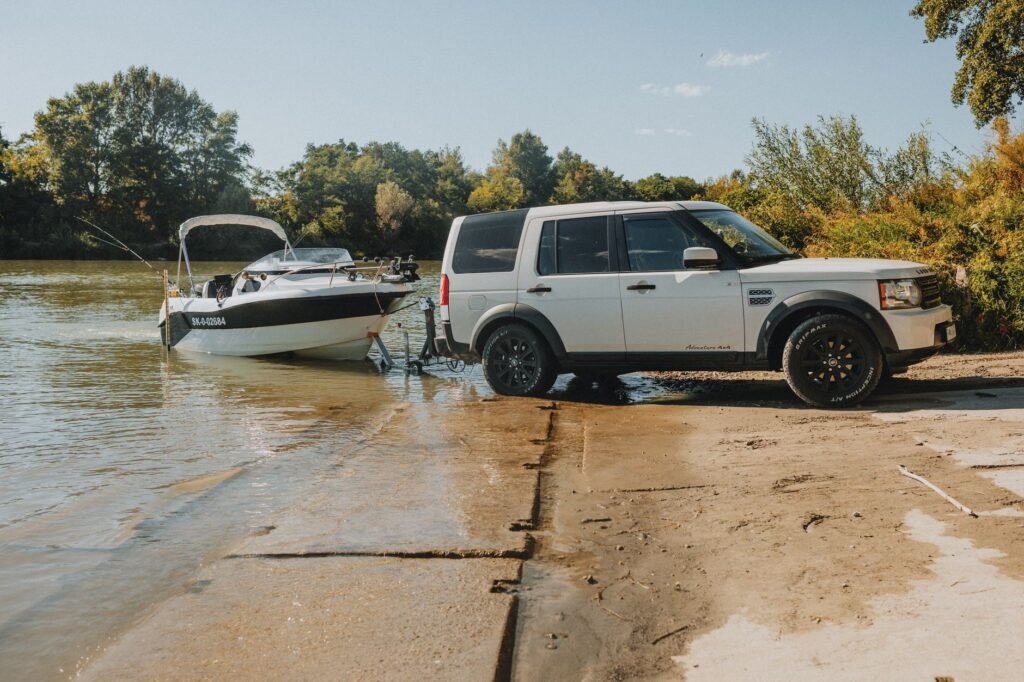
Towing a multi-ton trailer inherently compromises your tow vehicle’s efficiency, often cutting your standard miles per gallon (MPG) in half. However, you do not have to accept poor fuel economy as an unavoidable cost of trailer ownership. By understanding the physics of towing—specifically the forces of aerodynamic drag, rolling resistance, and mechanical friction—you can employ precise strategies to improve your mileage. This comprehensive guide outlines the exact steps to take before and during your journey to maximize every gallon of fuel.
The Direct Answer: How to Save Fuel While Towing
To immediately improve towing fuel economy, you must reduce your highway cruising speed to between 55 and 62 mph, maintain maximum cold inflation pressure in all tow vehicle and trailer tires, optimize your towing posture with a properly set weight distribution hitch, and minimize excess cargo weight. Implementing these behavioral and mechanical changes can yield fuel savings of 15% to 35% over the course of a long-distance haul.
1. Speed Control: The Exponential Impact of Aerodynamic Drag
The single most powerful variable under your control is your vehicle’s speed. Many drivers do not realize that aerodynamic drag does not increase linearly with speed; it increases exponentially (by the square of your velocity). When you speed up from 60 mph to 70 mph, you are not just driving 16% faster—your vehicle must overcome approximately 36% more wind resistance.
Most modern tow vehicles and trailers find their peak mechanical and aerodynamic efficiency in the 55 to 62 mph range. Pushing past 65 mph forces your engine to operate at much higher RPMs, shifting your transmission out of its optimal fuel-saving overdrive gear. Cruising at 60 mph instead of 70 mph can easily save you 2 to 3 MPG, keeping your fuel costs low and lowering the risk of trailer sway or tire failure on the highway.
2. Optimize Tire Inflation and Reduce Rolling Resistance
Under-inflated tires are a quiet enemy of fuel economy. When a tire lacks proper air pressure, its footprint widens, creating excess flexing in the sidewall and increasing rolling resistance against the pavement. This resistance forces your engine to work harder to maintain a constant speed.
- Check Pressures Cold: Always measure and adjust your tire pressure in the morning before driving. Tires heat up during travel, which artificially raises the pressure reading.
- Consult the Tire Placard: Inflate your tow vehicle’s tires to the recommended “heavy load” specifications found on the driver-side door jamb. Trailer tires should almost always be inflated to their maximum cold PSI limit listed on the tire sidewall to reduce friction and prevent heat buildup.
- Prioritize Radial Tires: If you are shopping for new trailer tires, choose high-quality radial options over bias-ply tires, as radials run cooler and offer less rolling resistance.
Keeping your tires at their optimal pressure is also your best defense against catastrophic tire failures. For a detailed guide on tire maintenance and preventing heat-related damage, refer to our comprehensive guide on RV Tire Blowout Prevention.
3. Correct Towing Attitude and Aerodynamics
The physical profile of your towing setup dictates how cleanly air flows around your rig. A common mistake is towing a trailer that sits nose-high or nose-low. A trailer that is not level creates a massive pocket of turbulent air underneath the chassis, significantly increasing aerodynamic drag.
Ensure your trailer towed profile is level or slightly nose-down by adjusting your hitch ball height. Using a high-quality weight distribution hitch prevents your tow vehicle’s rear end from sagging, keeping the entire setup level and aerodynamically streamlined. Ensuring a level towing profile should be an integral part of your pre-trip inspection routine, which you can double-check using our 2026 Trailer Towing Safety Checklist.
Additionally, consider these aerodynamic quick wins:
- Use a Tonneau Cover: If you tow with an open-bed pickup truck, install a tonneau cover. An open truck bed creates a low-pressure vortex behind the cab that pulls back on your vehicle; sealing the bed allows air to glide smoothly over the tailgate.
- Stow External Gear: Remove bicycles, generators, and ladders from the front nose or roof of your trailer whenever possible, placing them inside storage compartments or the truck bed.
- Close Roof Vents and Windows: Ensure all trailer vents and windows are securely closed during transit to prevent wind from catching open edges and creating drag.
4. Manage Your Cargo Load and Liquid Weight
Every extra pound you pack requires kinetic energy to accelerate, climb hills, and overcome rolling resistance. While weight matters less once you are cruising at a constant speed on flat highways, it heavily impacts your fuel economy during stop-and-go city driving and steep mountain climbs.
The easiest way to shed unnecessary pounds is by managing your RV’s holding tanks. Water is incredibly heavy, weighing approximately 8.34 pounds per gallon. Traveling with a full 60-gallon fresh water tank adds roughly 500 pounds of dead weight to your load. Always travel with your grey and black tanks completely empty, and carry only a minimal amount of fresh water (around 10 to 15 gallons) for emergency roadside use. Fill your fresh water tank once you arrive near your destination campground.
5. Driving Techniques for Maximum Towing Efficiency
Your driving style can make or break your MPG. Towing requires a paradigm shift from daily commuting. To maximize fuel efficiency, practice “momentum driving” by anticipating traffic flow and maintaining a steady pace.
Avoid Hard Acceleration
Ease into the throttle when pulling away from stoplights. Heavy, sudden acceleration floods your engine with fuel and forces rapid downshifts. Instead, treat the accelerator pedal gently, allowing the engine’s natural torque to gradually build up speed.
Use Hill Climbing Strategies
Do not try to maintain a strict highway speed when climbing steep mountain grades. Forcing your engine to maintain 65 mph up a 6% grade will send your fuel economy into the single digits. Instead, let your vehicle slow down naturally as you climb, keeping your engine in its optimal torque band without redlining. On the descent, use engine braking or manual downshifts to control your speed, saving both your brakes and fuel.
Leverage Cruise Control Wisely
Cruise control is an excellent tool for flat, open highways, as it maintains a steady throttle position and prevents fuel-wasting speed fluctuations. However, you should turn off cruise control in hilly terrain. Standard cruise control systems often overreact to minor changes in grade, forcing sudden, aggressive downshifts to maintain a precise speed. Controlling the throttle manually allows you to build momentum before a hill and ease off slightly at the crest.
Fuel Economy Towing Comparison Table
The table below highlights the estimated fuel economy impact of various towing conditions and habits, giving you clear targets for optimization.
| Towing Factor | Sub-Optimal Condition | Optimal Condition | Estimated Fuel Economy Impact |
|---|---|---|---|
| Cruising Speed | 70 – 75 mph | 55 – 60 mph | 15% to 25% improvement |
| Tire Pressure | 10 PSI under-inflated | Recommended cold max PSI | 3% to 5% improvement |
| Towing Alignment | Nose-high trailer posture | Perfectly level trailer | 2% to 4% improvement |
| Holding Tanks | Full fresh & waste tanks | Empty/minimal liquid load | 1% to 3% improvement |
| Driving Style | Aggressive throttle/braking | Anticipatory, smooth throttle | 5% to 15% improvement |
6. Mechanical Maintenance and Vehicle Upkeep
A well-maintained tow vehicle and trailer run more efficiently. Mechanical drag from worn bearings, dragging brakes, or dirty engine air filters will directly steal energy from your drivetrain.
Before any major trip, replace dirty engine air filters to ensure your engine gets clean, unrestricted oxygen. Change your engine oil at the recommended intervals, using high-quality synthetic lubricants that reduce internal friction. On the trailer side, ensure your trailer axles are aligned and the wheel bearings are packed with fresh grease. Dry or worn wheel bearings create friction and heat, which robs you of fuel and poses a severe safety risk on the road.
Evaluating Your Tow Vehicle: Gas vs. Diesel
If you are planning to upgrade your tow vehicle, the choice of engine is a major factor in towing fuel economy. According to diesel consumption benchmarks monitored by the U.S. Energy Information Administration (EIA), diesel engines consistently outperform gasoline engines when hauling heavy loads. Diesel fuel has a higher energy density than gasoline, and diesel engines utilize high-compression ratios that deliver massive low-end torque. This allows diesel tow rigs to pull heavy loads at low RPMs, maintaining better fuel economy on mountain climbs.
However, diesel trucks carry higher upfront purchase prices and maintenance costs. If you only tow your trailer a few times a year, a modern turbocharged gasoline engine equipped with advanced multi-speed transmissions can offer an excellent balance of daily fuel economy and towing capability. Consult the official fuel efficiency guidelines at FuelEconomy.gov to compare towing platform efficiencies before purchasing your next vehicle.
Practical Planning: Route and Weather Strategy
Finally, your route and the weather play a quiet but significant role in your fuel usage. Headwinds can decimate your gas mileage just as much as driving too fast. If you are facing a severe 20 mph headwind, driving 60 mph feels like driving 80 mph to your vehicle’s engine. When high winds are forecasted, consider adjusting your travel schedule to drive during calmer morning or evening hours.
Additionally, plan your route to minimize stop-and-go driving. Taking a slightly longer highway route that allows you to maintain a steady speed of 55 mph is often more fuel-efficient than taking a shorter, direct route through towns filled with traffic lights, stop signs, and rolling hills.
Conclusion: Small Changes Yield Large Savings
Improving your towing fuel economy is not about implementing a single, magical modification. Instead, it is the result of accumulating small, deliberate improvements across your entire towing setup. By simply slowing down, ensuring proper tire pressure, keeping your trailer level, and packing smart, you can significantly reduce your fuel consumption. These strategies will keep more money in your wallet, reduce wear on your tow vehicle, and ensure a safer, more relaxed journey to your camping destination.
Frequently Asked Questions
Does towing with a full fresh water tank hurt fuel economy?
Yes. Water weighs 8.34 pounds per gallon. Carrying a full 60-gallon tank adds around 500 pounds of dead weight, which increases rolling resistance and forces your engine to use more fuel, especially when accelerating or climbing hills.
What is the single best speed for towing fuel economy?
For most tow vehicles, the optimal speed range is between 55 and 62 mph. Driving within this window minimizes aerodynamic drag while allowing the transmission to stay in its fuel-saving overdrive gear.
Do trailer tire pressures really affect my miles per gallon?
Yes. Under-inflated trailer tires increase rolling resistance and friction against the road, forcing your tow vehicle to burn more fuel to maintain speed. Keeping tires inflated to the maximum cold PSI listed on the sidewall maximizes fuel efficiency.
How does a weight distribution hitch help with gas mileage?
A weight distribution hitch levels your tow vehicle and trailer. This level posture prevents the tow vehicle’s front end from riding high, which improves steering safety and eliminates the fuel-wasting air trap created under an unlevel trailer.